Joint project aims to strengthen the region’s food safety systems and protect consumers from foodborne diseases.

San Jose, 19 September 2019 (IICA). The Inter-American Institute for Cooperation on Agriculture (IICA) will develop new tools, digital platforms and alternative technologies for use with mobile or Web devices to provide Latin America and Caribbean producers with training on the U.S. Food Safety Modernization Act (FSMA).
The initiative will be carried out under an agreement between IICA and the U.S. Food and Drug Administration (FDA) as part of the project Implementation of U.S. Food Safety Modernization Act – Identifying, Researching, and Implementing Alternative Methods to Expand the Reach across the Global Supply Chain.
The FDA awarded the Institute an initial grant of USD 750,000 to develop the training tools and methodologies, which will enable more producers in the hemisphere to acquire the expertise they require. The total value of the project will potentially be up USD 2.75 million.
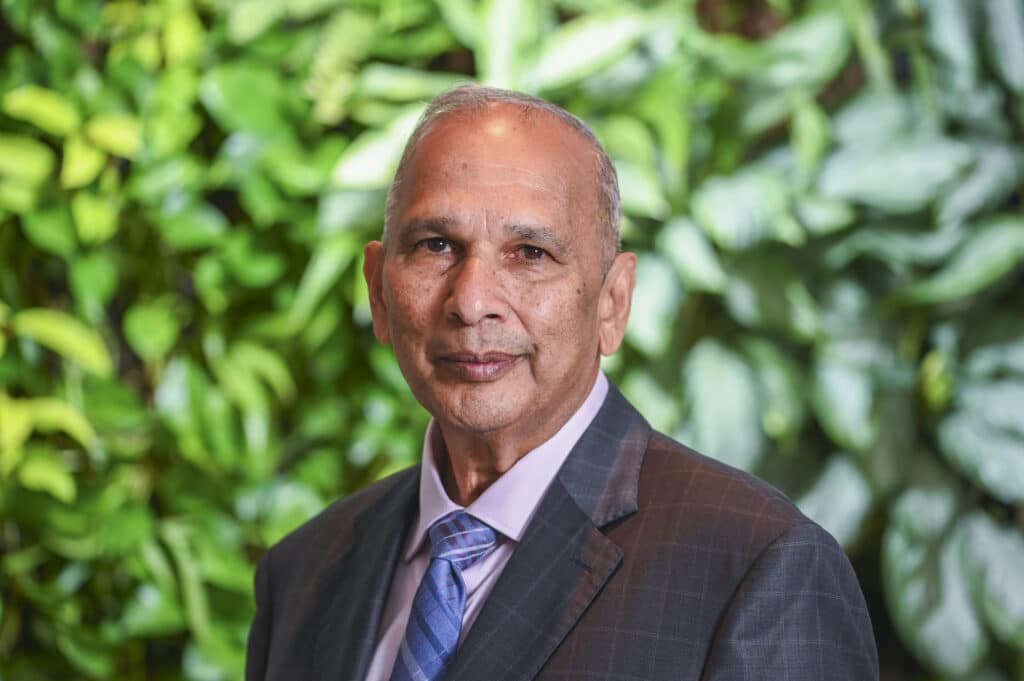
The manager of IICA’s Agricultural Health, Safety and Food Quality Program, Robert Ahern, explained that the Institute would work with academic partners to determine the effectiveness of the virtual training options and the most effective ways to present learning materials.
“IICA will take advantage of the availability of mobile technology across the continent and create a set of tools and training materials that provide easy links to relevant sections of the FSMA law and other important documents so that users can test and refresh their knowledge as needed,” Ahern remarked.
To ensure greater compliance with the regulations by agricultural health services and producers in Latin America and the Caribbean, IICA will draw on experience acquired in previous FSMA training processes.
“This project is an opportunity for the Institute to play a leadership role in the development, testing and implementation of next generation food safety training tools,” Ahern added.
“The Latin American food industry is key to the successful implementation of the FSMA,” said Katherine Serrano, Director of the FDA’s Latin American Office. “We value IICA as an important partner to help advance industry understanding of and compliance with the rules. Together, with IICA and industry and academic partners, we aim to strengthen food safety systems to protect consumers from foodborne illness both in the region and the in U.S.,” concluded.
More information:
Robert Ahern, Manager of the Agricultural Health, Safety and Food Quality Program. robert.ahern@iica.int