The Ministry of Regional Development disseminated Brazil’s Strategic Action Plan for the Rehabilitation of Dams, a product of technical cooperation with the Inter-American Institute for Cooperation on Agriculture (IICA).
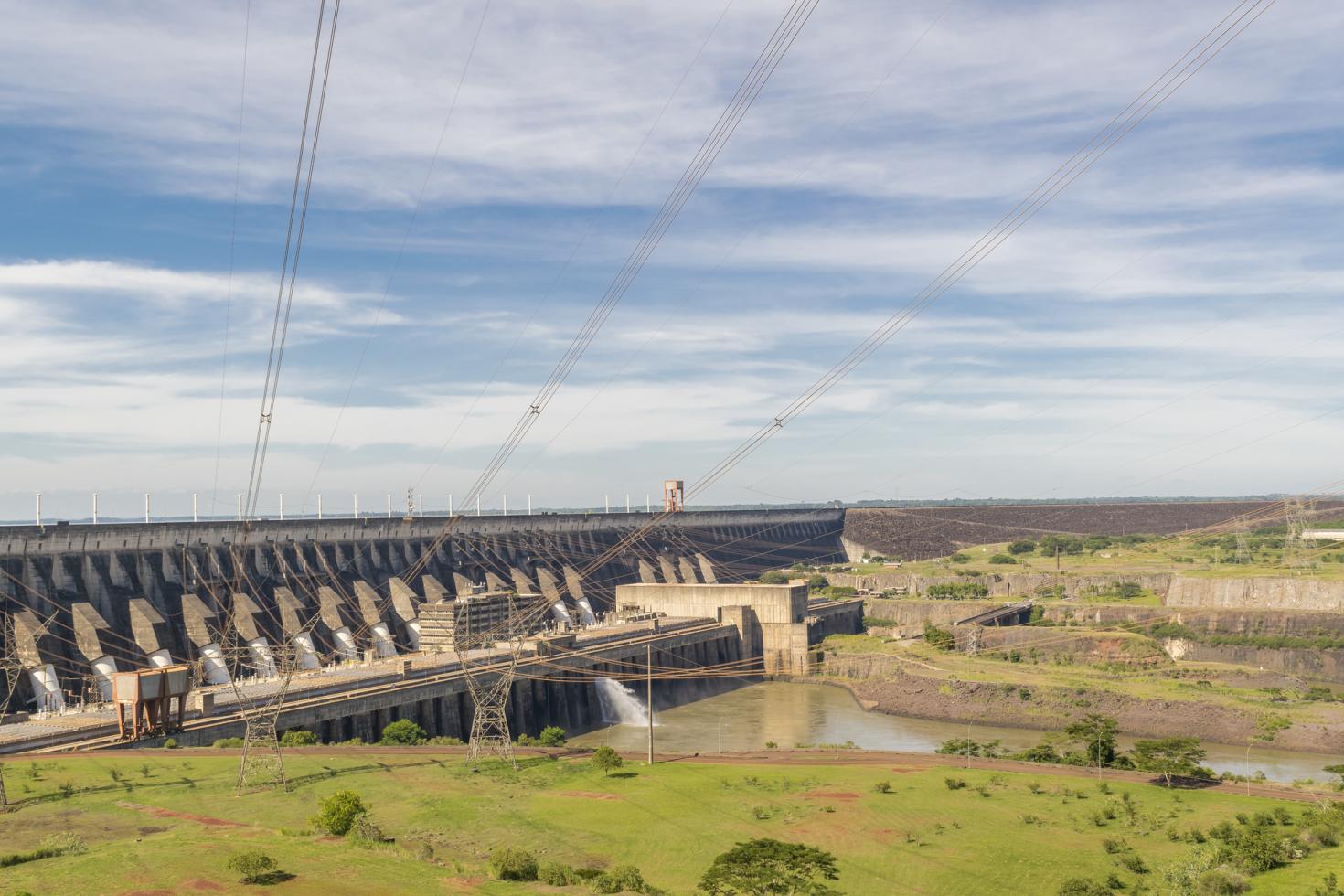
Brasilia, 7 February 2019 (IICA). The head of the Ministry of Regional Development (MDR), Gustavo Canuto, presented the Strategic Action Plan for the Rehabilitation of Dams (Planerb), produced by the Ministry through technical cooperation with the Inter-American Institute for Cooperation on Agriculture (IICA).
The Plan includes a structural, legal, land and environmental assessment of 139 federal government dams in Brazil, located in 14 states. The document was prepared based on the parameters of the National Policy for the Safety of Dams, established in 2010 by Law 12.334.
The minister also referred to the recent tragedy in Brumadinho, where an iron ore dam collapsed, killing more than one hundred people and causing serious environmental and financial damage to the region, located in the Southeastern state of Minas Gerais.
“We must act in a concrete and objective manner in order to reduce risks and prevent similar tragedies from happening in the future. The Law on Dam Safety is adequate and clear, but we must improve inspection, make our monitoring process more rigorous, and demand that companies also conduct inspections,” stated Canuto.
Canuto also highlighted the importance of empowering federal inspection agencies, noting that it was necessary to “provide them with the necessary training and resources so that they may gain credibility and be capable of communicating on equal terms with companies.”
The IICA Representative in Brazil, Hernán Chiriboga, emphasized the willingness of the international organization to continue to collaborate with the MDR in areas required to expand local technical capacities. “We reiterate our commitment to collaborate in developing new studies, providing training opportunities for inspectors and technical specialists, and even organizing exchanges with international specialists,” he remarked.
In addition to presenting an assessment of the status of the dams included in the study, Planerb’s plan details the actions required for their physical and structural rehabilitation, as well as the actions required to develop safety plans for each of them, detailing, among other things, procedures for periodic reviews and emergency plans.
IICA is currently implementing four other technical cooperation projects with the MDR, in areas related to watershed revitalization and water access; sanitation; and water resource planning and management.
More information:
Carolina Fleury, IICA Communication Consultant