The report highlights the improvement of socio-economic conditions for workers and their families, and stresses the need to improve knowledge transfer from Canadian farm businesses to the home countries of participants.
San José, 24 March 2017 (IICA). A study carried out by the Inter-American Institute for Cooperation on Agriculture (IICA) revealed that participants of the Seasonal Agricultural Worker Program (SAWP) of Canada can earn up to five times more than they could in their own countries.
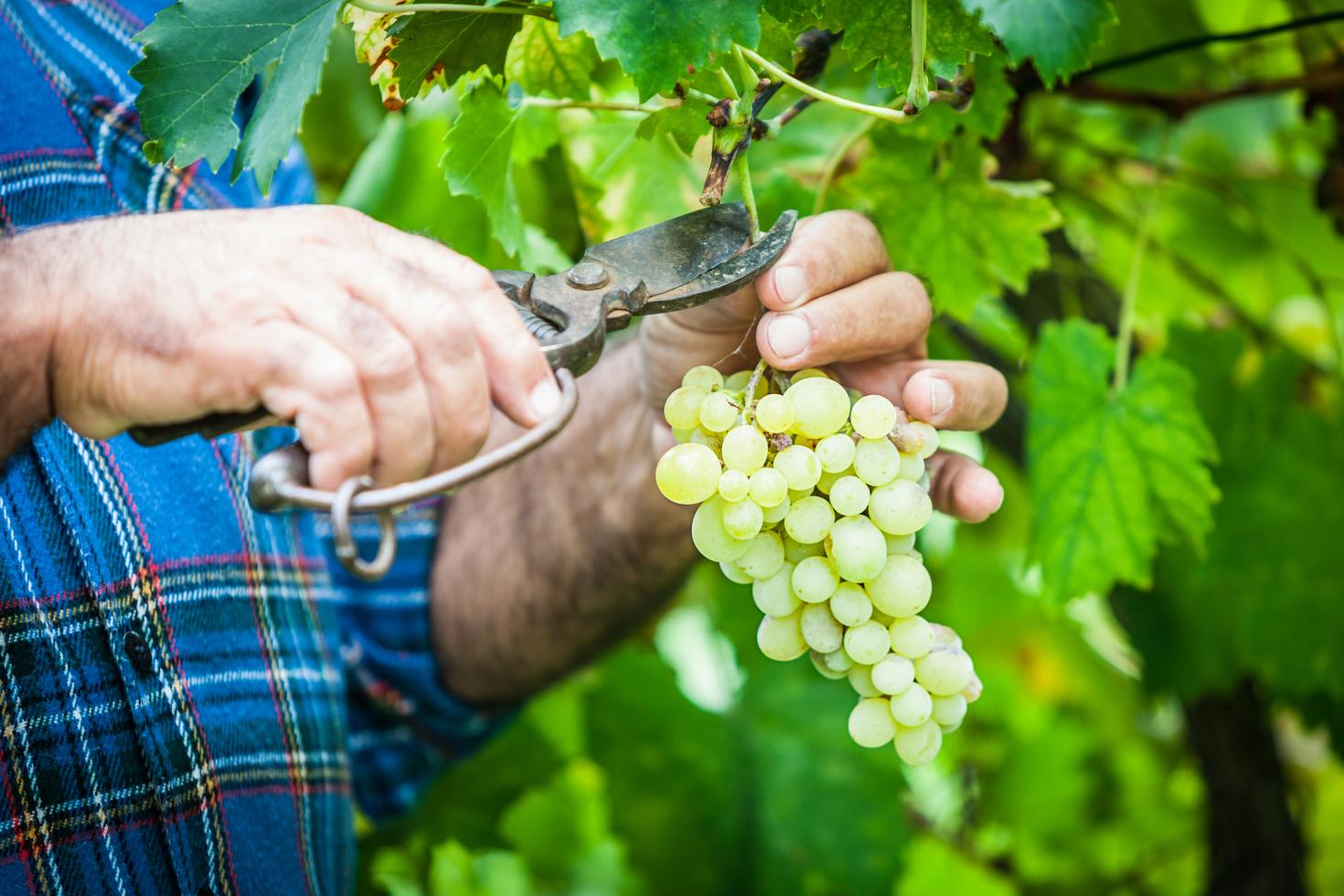
According to the Report on the Seasonal Agricultural Worker Program, the program’s over 25,000 seasonal workers in Canada obtain a number of benefits through their participation, including greater opportunities to purchase homes and vehicles in their home countries, educate their children, access better healthcare, increase their savings and purchase land and livestock.
Canadian researchers Marie-Hélène Budworth, Andrew Rose and Sara Mann, together with the IICA Delegation in Canada, are the authors of the report on the SAWP program, which will be celebrating its 50th anniversary this year.
“The research study on SAWP shows favorable benefits and inherent opportunities for supporting agricultural development in Latin American and Caribbean countries,” stated Audia Barnett, IICA Representative in Canada.
According to Barnett, “today’s agri-food sector has become a global workplace. Canada’s seasonal programming enables farm businesses to meet their seasonal labor needs, while providing economic support for workers from developing countries, with the added potential of ongoing agricultural and cultural exchange that facilitates the sharing of ideas, innovation and technology.”
Canadian farm businesses contract foreign temporary workers from Latin American and Caribbean countries as a way of overcoming the labor challenges that face the country’s agri-food industry – a $100 billion industry that contributes 8% to Canada’s gross domestic product, and employs 2.1 million Canadians.
Barbados, Jamaica, Mexico and Trinidad and Tobago are some of the countries participating in SAWP to support harvesting during peak periods, contribute to reducing the shortage of domestic labor, and counteract the country’s inability to recruit and retain labor due, in part, to a declining rural workforce.
In addition to detailing the benefits of remittances for SAWP workers and their families, the study underscores the importance of technology and knowledge transfer relating to modern agricultural production methods, which can contribute to generating greater socio-economic gains.
The report however also revealed a significant knowledge gap regarding the transfer of skills and knowledge from Canadian farm businesses to participating countries.
According to the report, support from home country local agencies and agricultural extension services could assist in the transfer of knowledge, skills, technologies and best practices, which would benefit the development of the agricultural sector in participating countries.
As a follow-up to this study, the IICA Delegation in Canada will work on identifying possible ways of extending the reach of the SAWP program, for the benefit of Canada and other countries in the hemisphere.
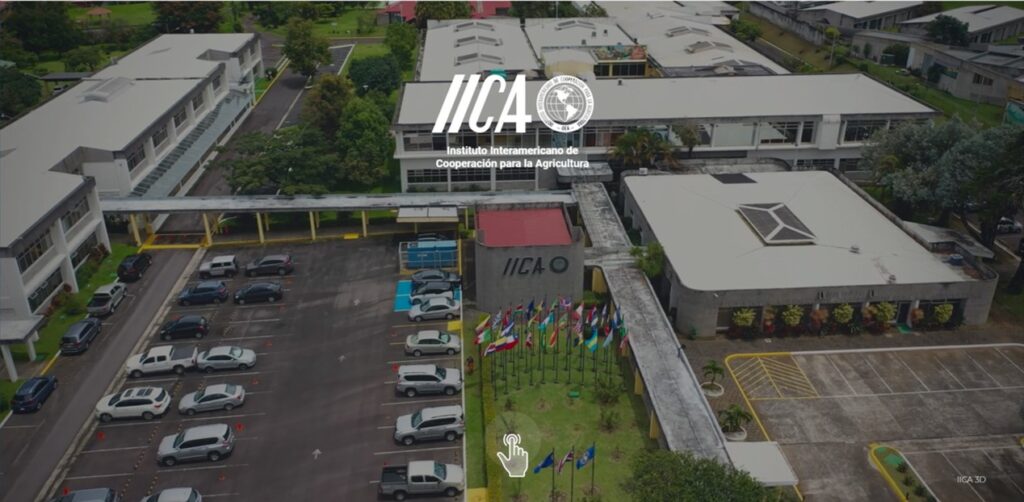
IICA is the specialized agency of the Inter-American System for agriculture. The Institute provides specialized knowledge, technical assistance and innovation to its 34 Member States in order to foster agricultural development and rural well-being in the Americas. The IICA Delegation in Canada is located in Ottawa, Ontario.
More information: audia.barnett@iica.int