Working with the Global Harvest Initiative, the IDB and other international organizations, IICA contributed to the production of a new report on agriculture in Latin America and the Caribbean that underscores the region’s importance as a global breadbasket.
San Jose, Costa Rica, May 13, 2014 (IICA). The design of policies and greater investment in eight priority areas would enable Latin America and the Caribbean (LAC) to raise agricultural productivity, meet its own food and nutrition needs, and help meet the burgeoning world demand for food, fiber and fuel, according to a report unveiled today, Tuesday, in Washington.
The document, entitled The next global breadbasket: how Latin America can feed the world, was published by the Global Harvest Initiative (GHI) –a partnership of organizations that includes the Inter-American Institute for Cooperation on Agriculture (IICA)– and the Inter-American Development Bank (IDB).

The entities recommend that governments, the international donor community, the private sector and agricultural producers implement actions to tap the region’s competitive advantages, especially the wealth of its natural resources (water, land and biodiversity).
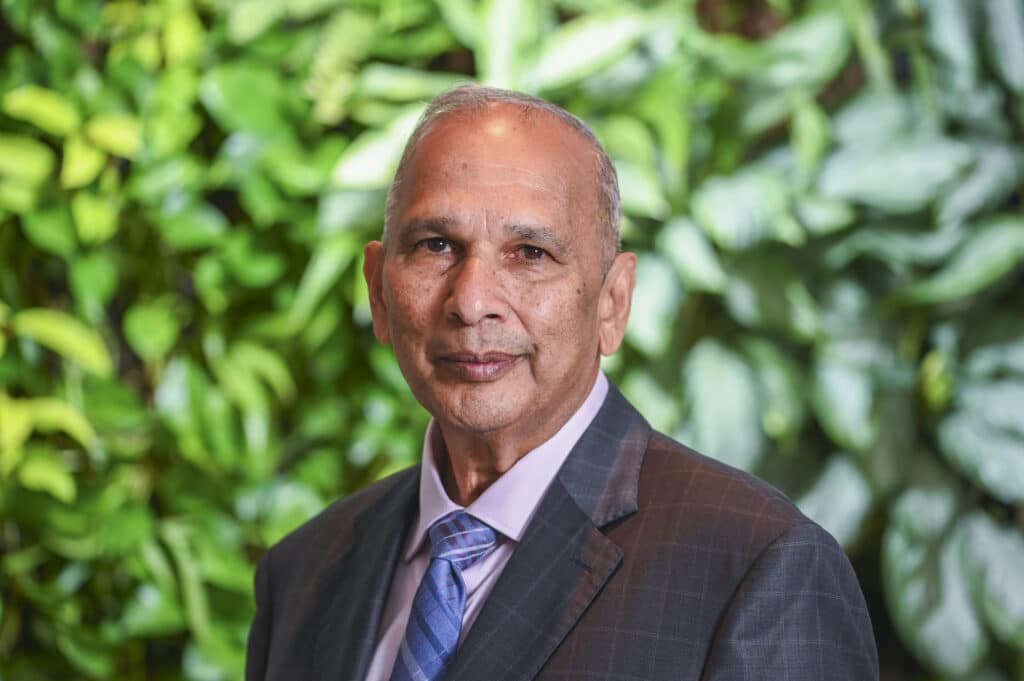
“One of the major challenges for the region is the need to transform family and smallholder farming into a competitive and sustainable form of agriculture, capable of achieving increased food production and a substantial improvement in the income and quality of life of producers,” observed the Director General of IICA, Víctor M. Villalobos, during a panel discussion organized by IDB and the GHI in Washington.
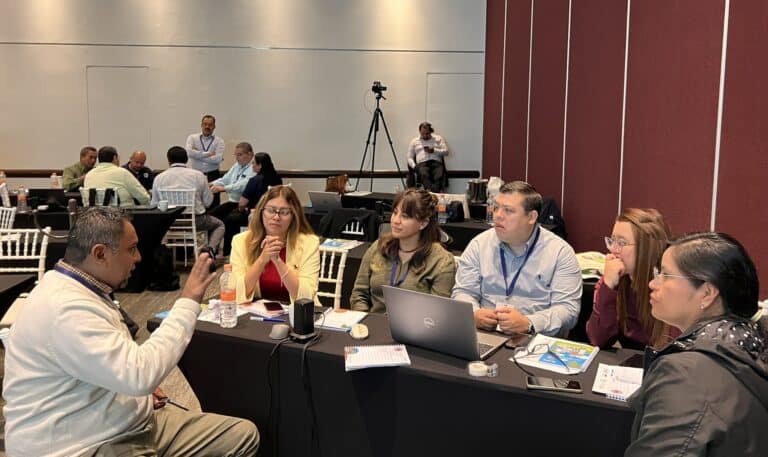
At the activity in question, the participants discussed and highlighted the recommendations made in the report and outlined some priority actions that should be implemented.
The document’s authors propose that the policies needed to attract more investment to agriculture in LAC and increase the region’s contribution to world food security should focus on efforts to:
• Boost the advance of agricultural science, research and development.
• Improve the transfer of knowledge to producers and modernize agricultural extension systems and services.
• Promote and create frameworks that offer legal security, to attract investment in infrastructure for the agricultural sector.
• Support irrigation, water management and technology.
• Promote, enhance and facilitate regional and global trade.
• Improve farmers’ access to financial services: managing risk and the availability of credit.
• Strengthen cooperatives and producer associations.
• Reduce post-harvest losses.
GHI and the IDB also recommend that the LAC countries place agriculture at the center of their development policies and invest in the creation of public goods through research, development and innovation, to stimulate higher productivity in the sector.
For further information:
miguel.garcia@iica.int