Inter-American Institute for Cooperation on Agriculture

SAGARPA Mexico Training Programme

Tiempo de lectura: 3 mins.

Jamaicans are being trained under the SAGARPA programme.

IICA has continued its collaboration with the Ministry of Agriculture in Mexico (SAGARPA) to build the capacity of Caribbean personnel in specialist areas. Since the start of the programme in 2014, twenty-one (21) persons in Jamaica have benefited from the training.  Most recently in June 2015, three persons attended an In-Vitro Clonal Propogation of Tropical Plants in Trinidad and Tobago, one person attended an Animal and Plant Health Inspection Service in Ports, Airports and Borders in Mexico in April, while another attended the training on Efficient Use of Rainwater and Runoff in Agricultural Activities in Panama in August.

During the summer of 2014, the programme provided six training courses in the following disciplines: Plant Pathology techniques, Sheep Production, Protected Agriculture, Soil and Water Conservation, Rural Tourism, and Family Farming. Seventeen persons from Jamaica participated the training programme. The participants represented the Ministry of Agriculture and Fisheries, (MOAF), Tourism Product Development Company (TPDCo), Caribbean Research and Development Institute (CARDI), University of the West Indies (UWI), and IICA.

The trainees expressed satisfaction with the training courses and reported that the knowledge and skills gained would assist their current work activities. As part of the training programme, country teams were required to submit related project concepts for their home countries. The Mexican institutions selected three of the Jamaican project concepts for closer review via visits to the island. The three project concepts were:

  • Survey of papaya fields for the presence/ absence of the Papaya meleira virus
  • Assisted breeding techniques (Embryo Transfer and Artificial Insemination) for small ruminants
  • Development of community-based rural tourism activities in Nine Miles and surrounding communities.

Share

Related news​

San José

June 3, 2026

Increasing productivity is crucial for building more resilient agrifood systems in Latin America and the Caribbean

A report by ECLAC, FAO, IICA, and CAF warns that increasing agricultural productivity is crucial for building a more resilient, inclusive and sustainable agriculture sector, and represents an indispensable condition for ensuring well-being, food security, and the future of agrifood systems in Latin America and the Caribbean (LAC).

Tiempo de lectura: 3mins

Buenos Aires

June 2, 2026

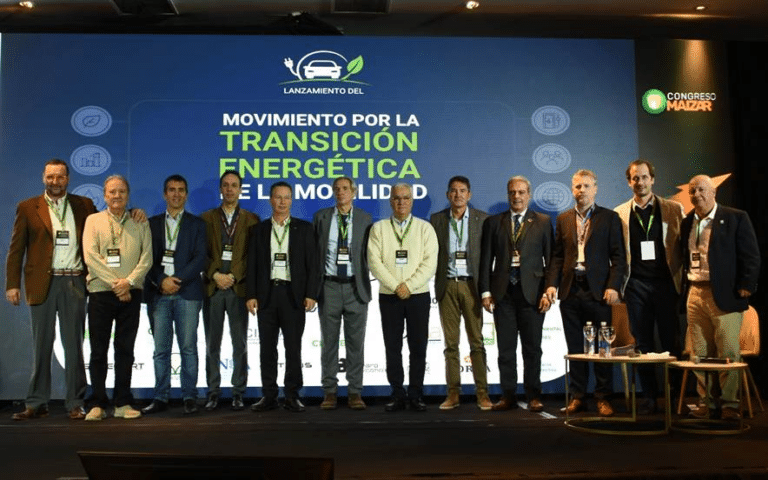
IICA and CPBIO participate in Maizar 2026 Congress in Argentina and launch the Mobility Energy Transition Movement, with a key role for biofuels

The shared aspiration of the participating entities is to build a common agenda that will accelerate the development of sustainable energy solutions, strengthen industrial competitiveness, and promote an energy transition adapted to Argentina’s capabilities and opportunities.

Tiempo de lectura: 3mins

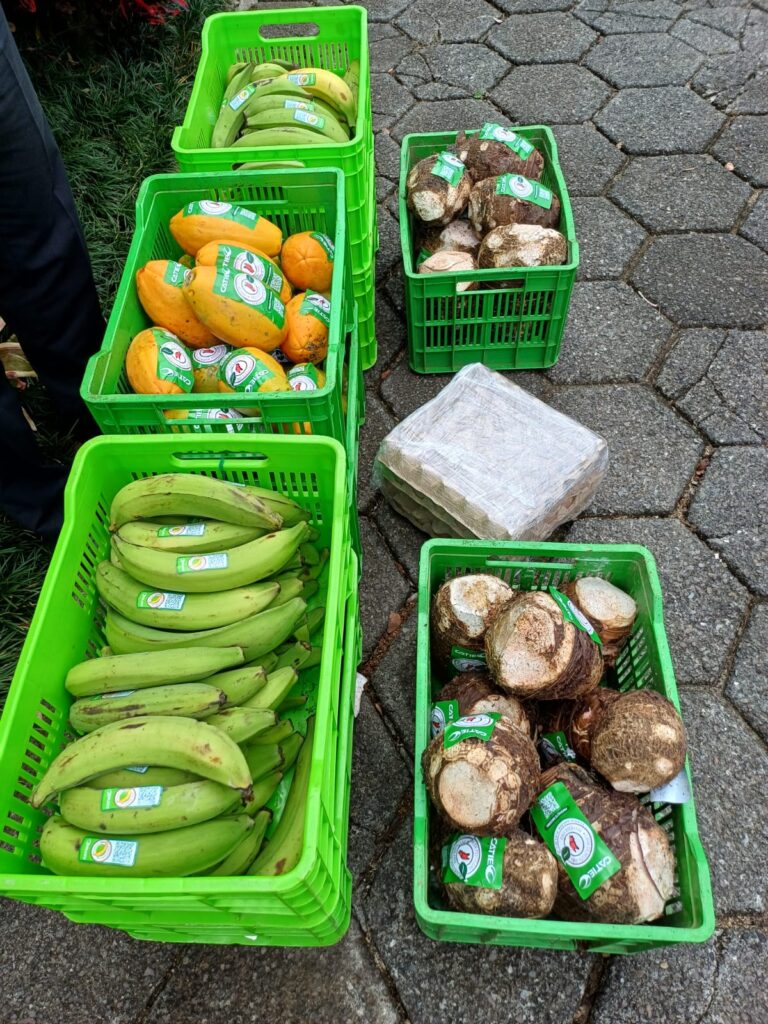
Donación de productos agrícolas libres de pesticidas del CATIE al IICA, que incluye plátano verde, papaya, malanga y huevos, destinados a comedores escolares de centros educativos de Coronado como parte de una iniciativa de responsabilidad social.

San José, Costa Rica

June 2, 2026

From the farm to school cafeterias: pesticide-free products reach educational centers in Costa Rica thanks to CATIE/IICA joint effort

A chain of collaboration from the farm to school cafeterias in the municipality of Vázquez de Coronado, Costa Rica, allowed children and adolescents from various schools to receive fresh, pesticide-free foodstuffs as part of a joint initiative by the Inter-American Institute for Cooperation on Agriculture (IICA) and the Tropical Agricultural Research and Higher Education Center (CATIE).

Tiempo de lectura: 3mins