IICA, with the support of the Embassies of Costa Rica, Brazil and Peru, presented its new AgroArt exhibition at a cultural event in Buenos Aires, celebrating the arts and cultural diversity. The exhibition fuses cinema and literature with rural life.
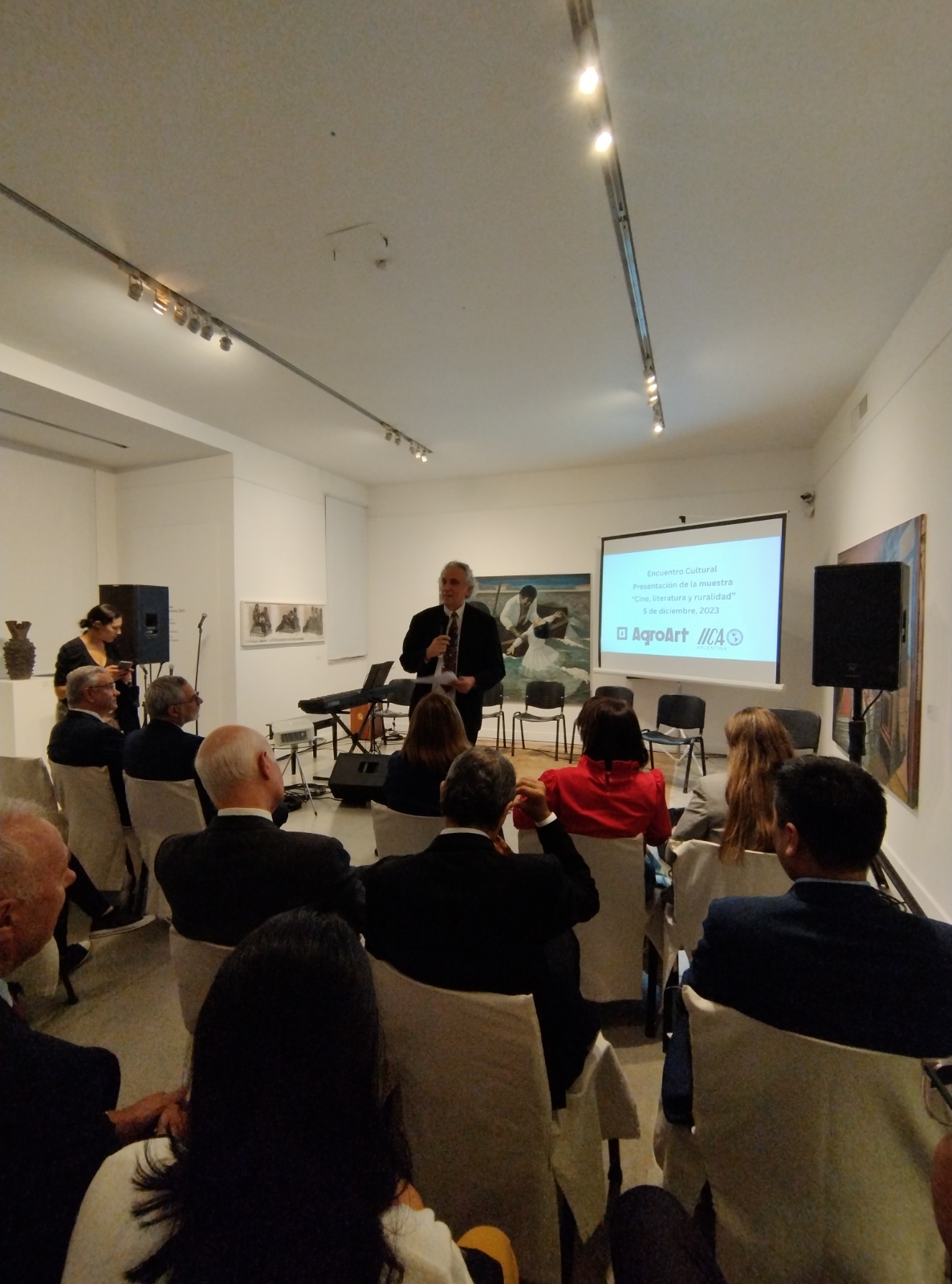
Buenos Aires, 15 December 2023 (IICA). IICA, with the support of the Embassies of Costa Rica, Brazil and Peru, presented its new AgroArt exhibition at a cultural event in Buenos Aires, celebrating the arts and cultural diversity. The exhibition fuses cinema and literature with rural life.
“Cinema, Literature and Rural Life” is the name of a new art exhibition on AgroArt, the virtual art museum of the Inter-American Institute for Cooperation on Agriculture (IICA). The platform is a space for the dissemination and integration of artistic expressions of the Americas, emanating from the rich and varied life of rural areas.
The new exhibition was presented during a gathering organized by the IICA Delegation in Argentina at the House of Culture of the National Fund for the Arts (FNA for its acronym in Spanish), a prestigious public institution that funds and promotes the development of artists, managers and non-profit cultural organizations. The FNA headquarters is housed in the former home of Argentinian writer, Victoria Ocampo.
The event was supported by the Embassies of Brazil, Costa Rica and Peru in Argentina, which organized musical performances, craftwork and culinary displays from their countries. Through these contributions, the event celebrated the extraordinary cultural diversity of the region.
Diana Saiegh, President of the FNA; Florencia Abbate, FNA Art Director; visual artist Gabi Grobocopatel; and IICA Representative in Argentina, Fernando Camargo, participated in the presentation.
The new AgroArt exhibition is displayed on IICA’s 3D web platform, which showcases all the projects that are a part of its Open Door initiative, which aims to provide technical cooperation that engages more closely with the Institute’s beneficiaries and counterparts, seeking to strengthen agriculture and rural development in the Americas.
Agroart reaffirms IICA’s commitment to culture and the diverse expressions of rural life, the land and its people. With this initiative, the rural development organization of the hemisphere is aiming to shine the spotlight on and increase appreciation for the customs, knowledge and traditions that give meaning to rural areas in the Americas. The objective is to showcase cultural expressions of rurality.
In the “Cinema, Literature and Rural Life” exhibition, IICA has pulled frames from movies produced by important directors from the Americas, most of them based on novels or stories by famous writers in the region, recounting aspects of rural life in the hemisphere.
Some of the movies and texts featured in the exhibition are: “Don Segundo Sombra”, directed by Manuel Antín and based on the novel of the same name by Ricardo Güiraldes (Argentina); “El imperio de la fortuna”, directed by Arturo Ripstein and based on the story “El gallo de oro”, by Juan Rulfo (Mexico); “El romance de Aniceto y Francisca”, directed by Leonardo Favio and based on the story “El cenizo”, by Jorge Zuhair Jury (Argentina); “Vidas secas”, directed by Nelson Pereira dos Santos and based on a novel of the same name, written by Graciliano Ramos (Brazil); “Doña Bárbara”, directed by Fernando de Fuentes and based on a novel of the same name by Rómulo Gallegos (Venezuela); “El abrazo de la serpiente”, directed by Ciro Guerra (Colombia) and based on the book “Vine of the Soul”, by Richard Evans Schultes; “Grapes of Wrath”, directed by John Ford and based on a novel of the same name by John Steinbeck (United States); “Danzak”, directed by Gabriela Yepes and based on the story “La agonía del Rasu-Ñiti”, by José María Arguedas (Perú); “Balún Canán”, directed by Benito Alazraki and based on a novel of the same name by Rosario Castellanos (Mexico); and “El trueno entre las hojas”, directed by Armando Bó and based on a novel of the same name by Augusto Roa Bastos (Paraguay).
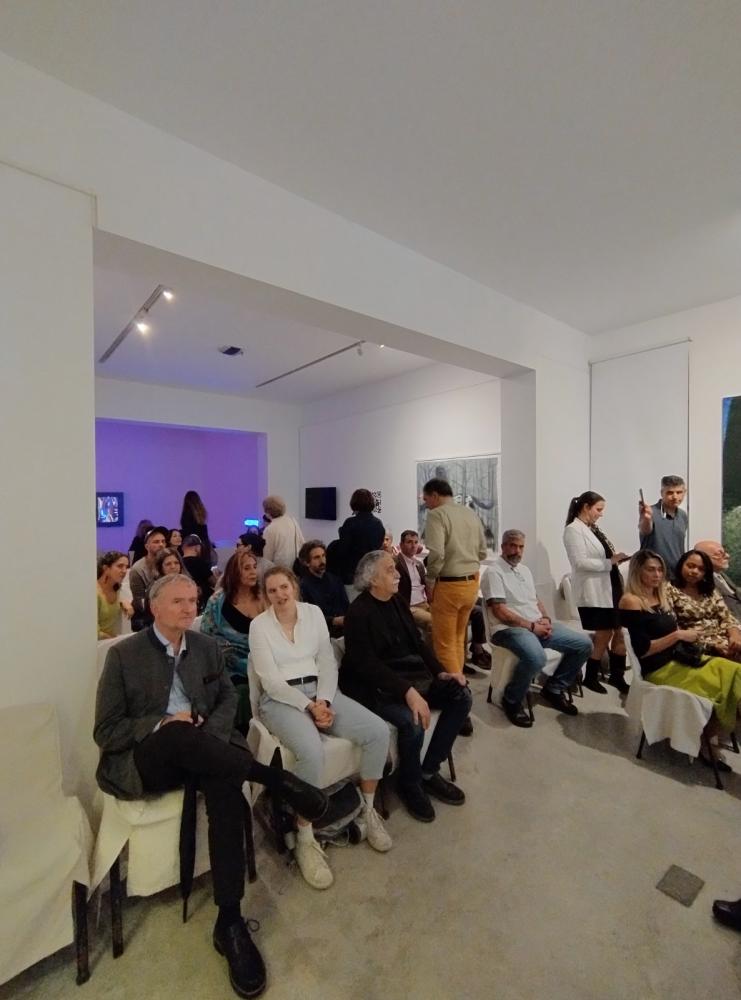
Costa Rica, Brazil and Peru: an expression of cultural diversity of the Americas
The Embassy of Costa Rica featured a presentation by the singer Marianela Villalobos accompanied by pianist Nicolás Guerschberg, interpreting “Caña Dulce”, one of the national folk songs of that country, written in 1926. The lyrics are reminiscent of Costa Rica’s agricultural heritage. The Embassy also provided samples of tamales, a typical indigenous dish of Costa Rica, made with maize, meat and other ingredients, wrapped in plantain leaves and cooked.
The Embassy of Peru exhibited an embroidered bodice, characteristic of the Wititi dance of the Colca Valley (in the Arequipa region), sewn by craftsman Donato Urbano Ventura Huaypuna. The dance has been included on the Intangible Cultural Heritage of Humanity list and is a popular folk dance that takes the form of a courtship ritual. It is typically performed by young people during religious festivities in the Colca Valley. The group—La Agrupación Cañadulce—directed by Peruvian musician Carlos Hernández Orellana, performed Creole music from the Peru’s coastal region.
The Embassy of Brazil brought chef Henrique Salsano, who provided a food tasting, based on products typical to the Amazon region, paired with cachaças—distilled spirits from sugar cane—from southern Brazil. The Novos Tempos Samba group recreated traditional samba circle dances from Río de Janeiro, with instruments such as the cavaquinho (small guitar), tambourine, tantán (a type of drum), surdo (a large base drum), guitar and clarinet, as well as vocal accompaniment. There was also an exhibit of traditional Brazilian craft items, reflecting the diversity of the country’s rural life.
The IICA Delegation in Argentina invited singer Gustavo Grobocopatel, who was accompanied on keyboard by Gustavo Hernández, interpreting the samba “La Tucumanita”, by Atahualpa Yupanqui and “Huella de ida y vuelta”, by Roberto Yacomuzzi.
In celebrating the solidarity among the countries of the Americas, at the close of the event the diplomatic corps and specially invited guests came together in song to sing a classic from Latin America’s song book “Canción con todos”, which in English is simply “A Song for All”.
More information:
Institutional Communication Division.
comunicacion.institucional@iica.in