Inter-American Institute for Cooperation on Agriculture

IICA and PROCINORTE deliver hands-on training in Mexico to strengthen preparedness for African and Classical Swine Fever

Tiempo de lectura: 3 mins.

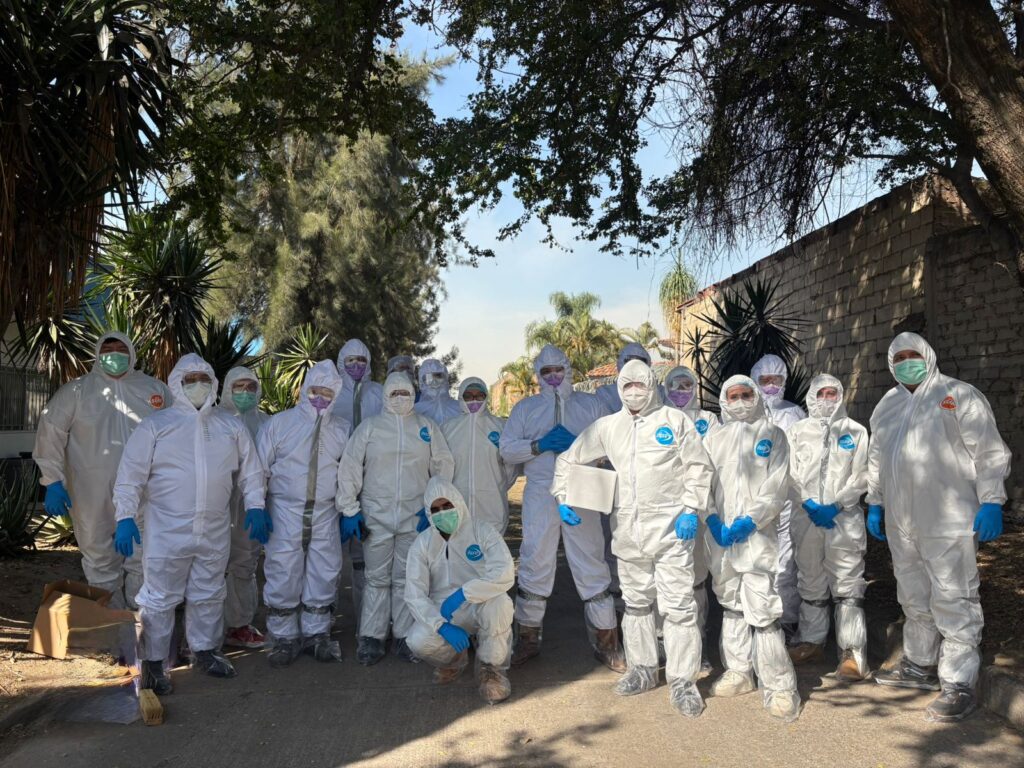
On 27–28 January 2026, PROCINORTE’s Animal Health Working Group and the PROCINORTE Executive Secretariat delivered an in-person training course in Guadalajara, Mexico: “African and Classical Swine Fever: Detection, Prevention and Control.”

Designed for government and private-sector veterinarians, technical personnel, and professionals from Mexico’s swine sector, the course aimed to strengthen technical competencies and preparedness for the detection, prevention, and control of African swine fever (ASF) and classical swine fever (CSF), with a focus on epidemiology and response capacity in the event of a potential introduction.

The two-day program combined technical sessions with practical training. Day one took place at Fiesta Inn Guadalajara Aeropuerto and covered core topics such as ASF/CSF pathogenesis and transmission pathways, the global situation, Mexico’s experience in eradicating CSF, sampling and shipment criteria for laboratory diagnosis, key diagnostic techniques and their limitations, containment and control protocols, epidemiological surveillance, on-farm biosecurity measures, and safe carcass disposal.

Day two was held at the Regional Animal Pathology Laboratory in El Salto and featured hands-on practice in necropsy techniques under suspected swine disease scenarios, as well as sampling and handling procedures to support reliable diagnostic results.

It is also worth noting that IICA Canada hosts PROCINORTE’s Executive Secretariat, supporting coordination and technical cooperation across the region.
Share

Related news​

San José, Costa Rica

March 12, 2026

IICA supports the validation process for Costa Rica’s National Bio-inputs Strategy led by the country’s Ministry of Agriculture and Livestock

The Strategy is a public policy instrument designed to organize national actions, coordinate actors and define strategic priorities in order to strengthen bio-input development, use and innovation in this Central American nation.

Tiempo de lectura: 3mins

San José, Costa Rica

March 11, 2026

A new publication by IICA and its partners explores public policies needed to transform agrifood systems and promote economic and social development

The publication analyzes the historical evolution of the role of agricultural production in economic and social development, as well as its transition toward the current concept of agrifood systems, which encompasses a broad set of actors, activities and processes, from primary production to industrial processing and final consumption.

Tiempo de lectura: 3mins

Ciudad de Panamá, Panamá

March 10, 2026

Leaders from 12 Latin American countries discussed how to consolidate and deepen regional advances in bioeconomy, at a meeting organized by the governments of Panama and the United Kingdom together with the IICA.

Some 80 leaders from 12 Latin American countries exchanged experiences on the significant advances they are making in the bioeconomy and discussed, together with delegates from the United Kingdom, the policies, strategies and investments needed to translate the region’s comparative advantages into global leadership.

Tiempo de lectura: 3mins