During a meeting in Costa Rica, the countries harmonized their stances prior to the General Session of the World Organisation for Animal Health, to be held at the end of May.
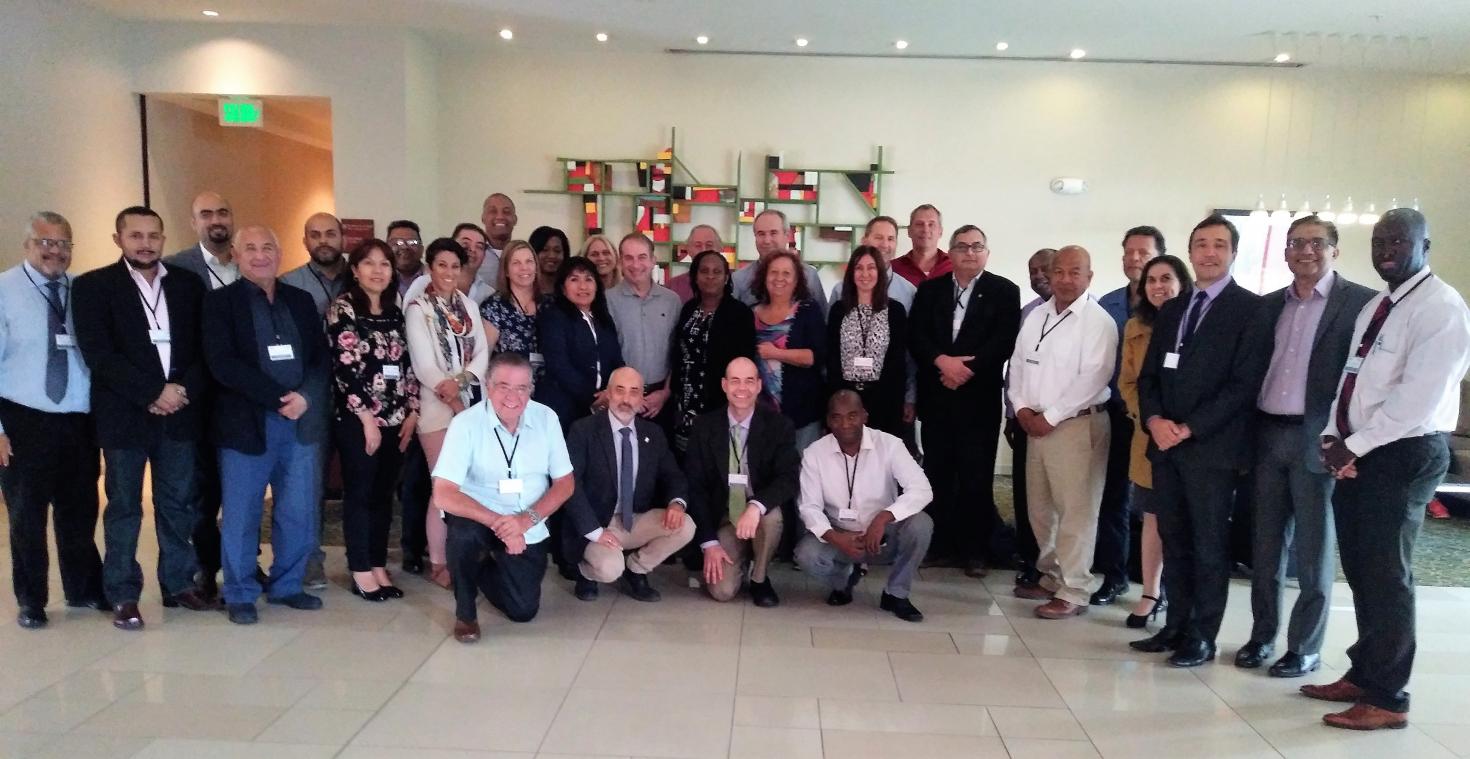
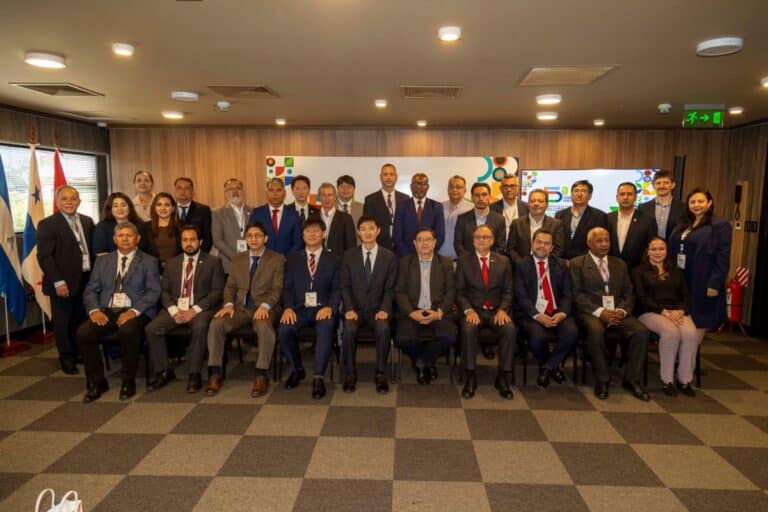
San Jose, 6 May 2019 (IICA). Delegates from 28 countries in the Americas that are members of the World Organisation for Animal Health (OIE) shared their positions and reached a consensus on matters related to the modification and approval of the health code for terrestrial and aquatic animals.
The participants aligned their views during a meeting in San Jose, Costa Rica, organized by the Inter-American Institute for Cooperation on Agriculture (IICA) with support from the United States Department of Agriculture (USDA). The meeting was held prior to the OIE General Session, which will take place from May 26 to 31 and will provide the member countries with an opportunity to share their positions and approve modifications to the code.
According to Jaime Romero, International Specialist in Agricultural Health and Food Safety at IICA, the delegates who participated in the meeting reached agreements regarding a number of topics, such as animal welfare and biosafety, and discussed adjustments in matters related to zoning, certification processes, surveillance, bovine spongiform encephalopathy, aquatic animal diseases, as well as classical and African swine fever.
“The results obtained demonstrate the level of maturity that has been achieved following the last three meetings, as a result of trust-building between the countries, collaborative work for the benefit of animal health and welfare, as well as trade facilitation across the Americas,” remarked Romero.
The country delegates agreed to hold another meeting during the second half of the year, with the aim of preparing for the OIE General Session in 2020.
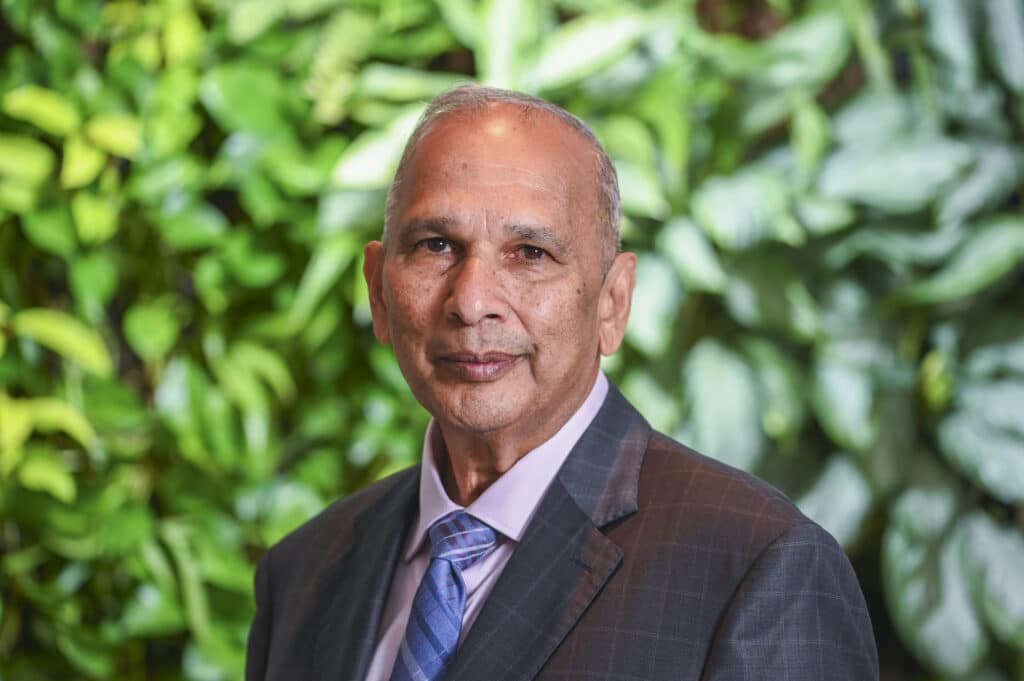
The meeting also included the participants Mark Trotman, Barbadian and current President of the Executive Bureau of the OIE Regional Commission for the Americas; Paraguayan Hugo Idoyaga, Vice-President of the OIE Council; and Argentinean Luis Barcos, Regional Representative of the OIE for the Americas.
A total of 31 countries in the Americas are members of the OIE.
More information:
Jaime Romero, International Specialist in Agricultural Health and Food Safety at IICA