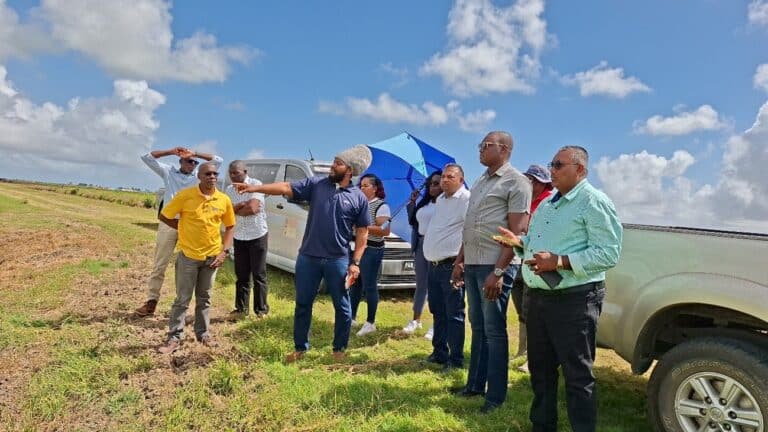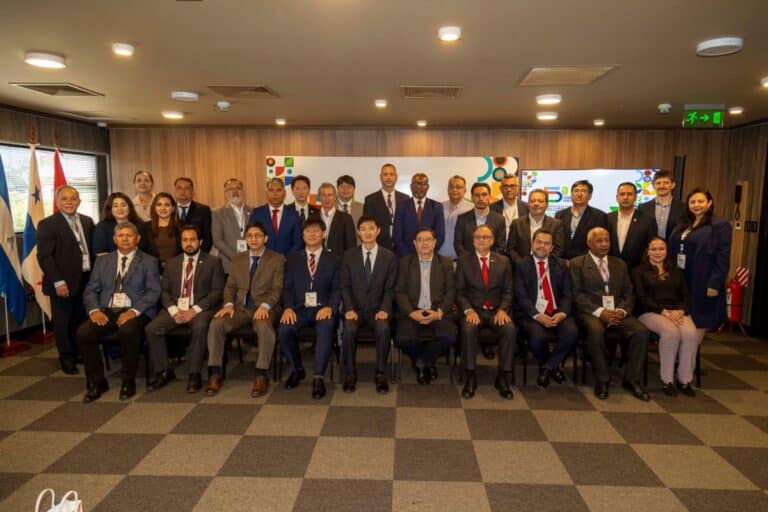
Agricultural professionals and producers from 13 countries in Central America and the Caribbean participated in a training event to drive agricultural development in their countries.

Irapuato, Mexico, June 29, 2015 (IICA). Mexican specialists provided a training in the use of biotechnology in agriculture for agricultural professionals and producers from 13 Central American and Caribbean countries, with the goal of driving productivity in those countries.
The training was organized by the Inter-American Institute for Cooperation on Agriculture (IICA), in collaboration with the Center for Research and Advanced Studies of the National Polytechnic Institute of Irapuato (CINVESTAV Irapuato).
The course, that ended on July 1, provided an overview of applied biotechnology techniques for improving soils and varieties, as well as sustainable agricultural practices. The goal is for participants to drive decision-making and promote development and research on this topic.
According to the course specialists, biotechnology is a modern and effective tool for product and economic development in a country; as a result, its implementation is important for improving production and preserving biodiversity.
The countries that participated in the workshop were Antigua and Barbuda, Bahamas, Barbados, Belize, Costa Rica, Dominica, Grenada, Guatemala, Guyana, Saint Lucia, Saint Kitts and Nevis, Saint Vincent and the Grenadines and Trinidad and Tobago.
This initiative is part of the Mexico-Caribbean-Central American Countries Technical Cooperation Program led by IICA and the General Secretariat of Agriculture, Livestock, Rural Development, Fisheries and Food (SAGARPA) of Mexico, which seeks to strengthen the capacities of the agricultural sector.
The program addresses the specific needs of the participating countries through short training events that focus on improving agricultural productivity and generating economic impact. It is supported by the Mexican Secretariat of Foreign Affairs and the Mexican Agency for International Development Cooperation (AMEXCID), as well as educational and research institutions.
More information:
franklin.marin@iica.int