The awardees were Patricia Gorza, Andrea Izzo Capella and Milagros Paulón, from central Argentina’s La Pampa region—considered one of the world’s primary food producing areas—along with José Muñoz and Alina Ruiz, who live and work in northern Argentina.
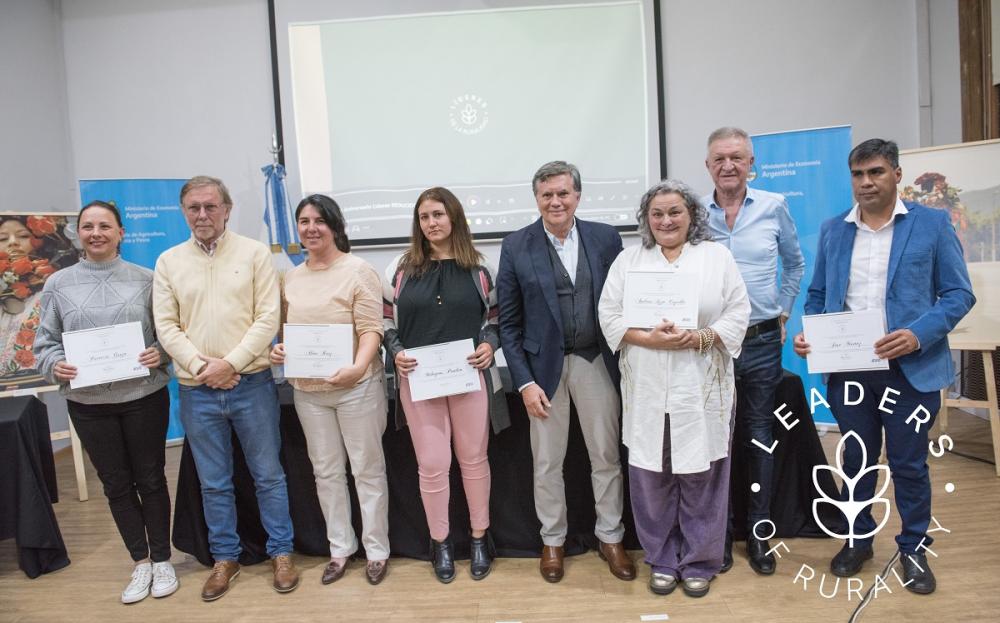
Buenos Aires, 19 April 2023 (IICA) – For their valuable contribution to the welfare of and rural retention in their communities, five residents of various regions of Argentina were awarded the title of Leaders of Rurality of the Americas by the Inter-American Institute for Cooperation on Agriculture (IICA) and the Secretariat of Agriculture, Livestock and Fisheries of that South American country.
The awardees were Patricia Gorza, Andrea Izzo Capella and Milagros Paulón, from central Argentina’s La Pampa region—considered one of the world’s primary food producing areas—along with José Muñoz and Alina Ruiz, who live and work in northern Argentina.
The certificates were presented by Juan José Bahíllo, Argentina’s Secretary of Agriculture, Livestock and Fisheries, and Manuel Otero, Director General of IICA, at an event at the Secretariat’s headquarters in the city of Buenos Aires. Also present were the Undersecretary of International and Institutional Relations of the province of Buenos Aires, Mario Oporto and the Ambassador of Costa Rica to Argentina, Ginette Campos Rojas, in addition to relatives of the honorees.
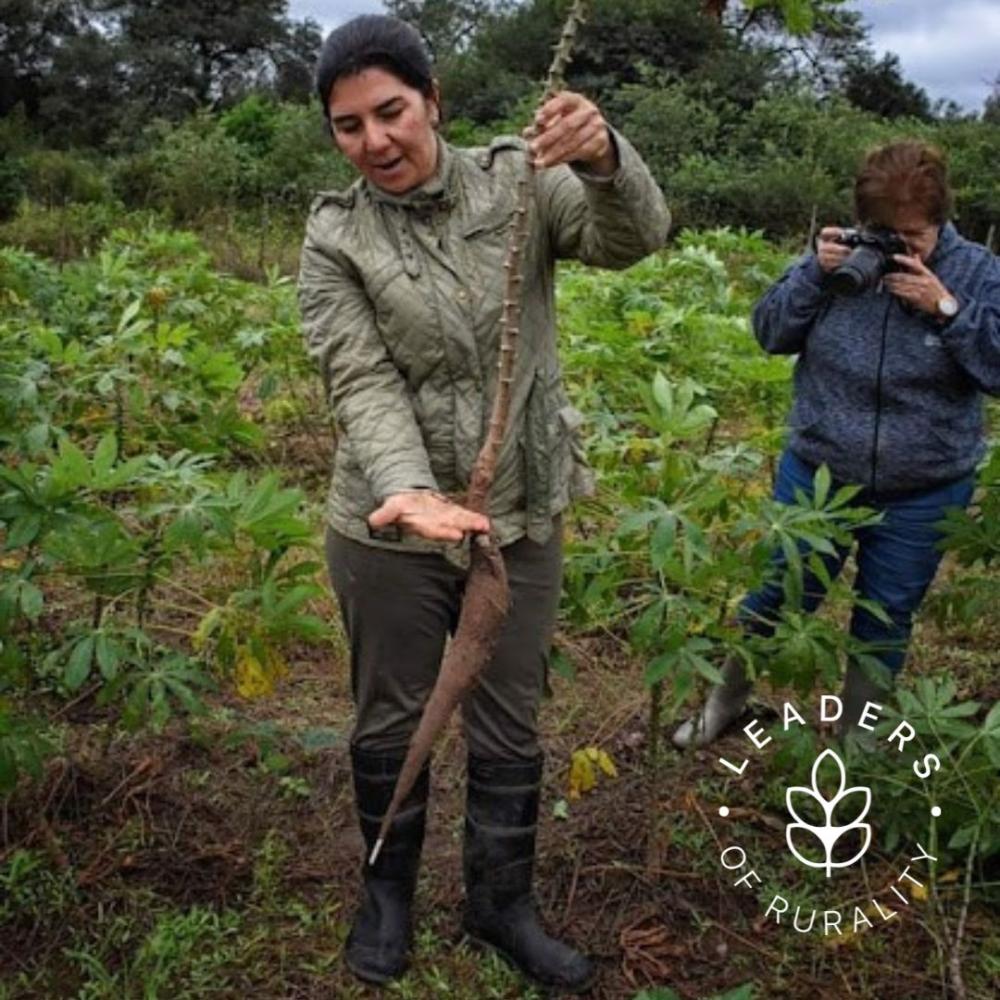
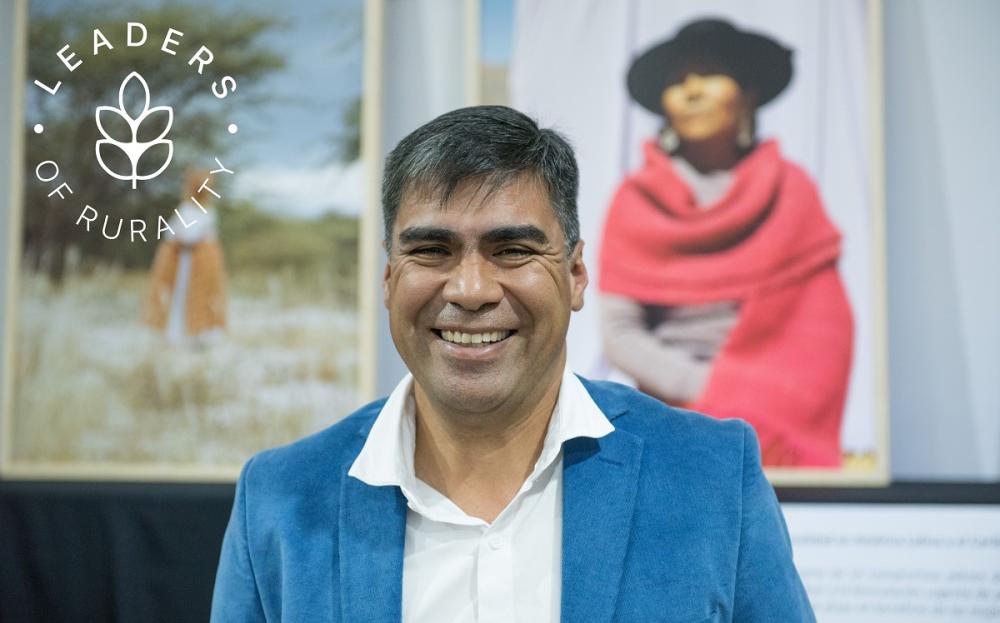
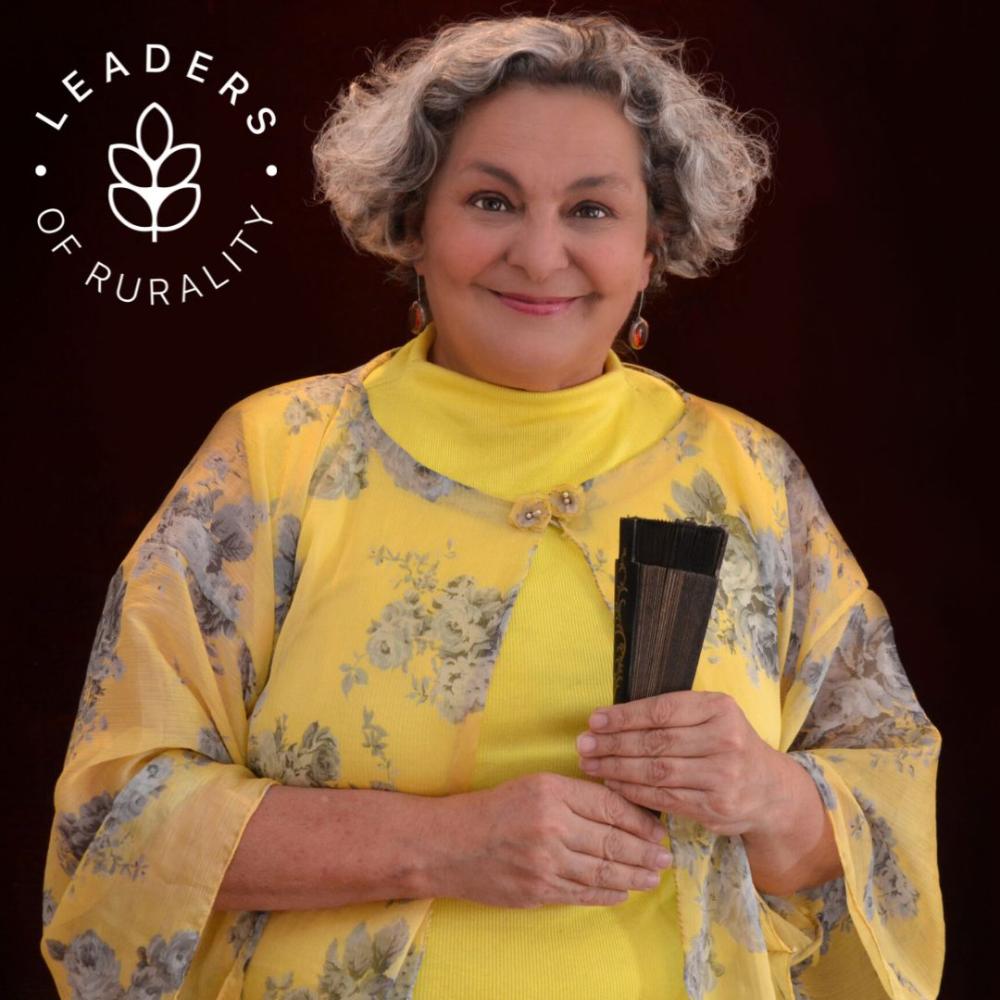
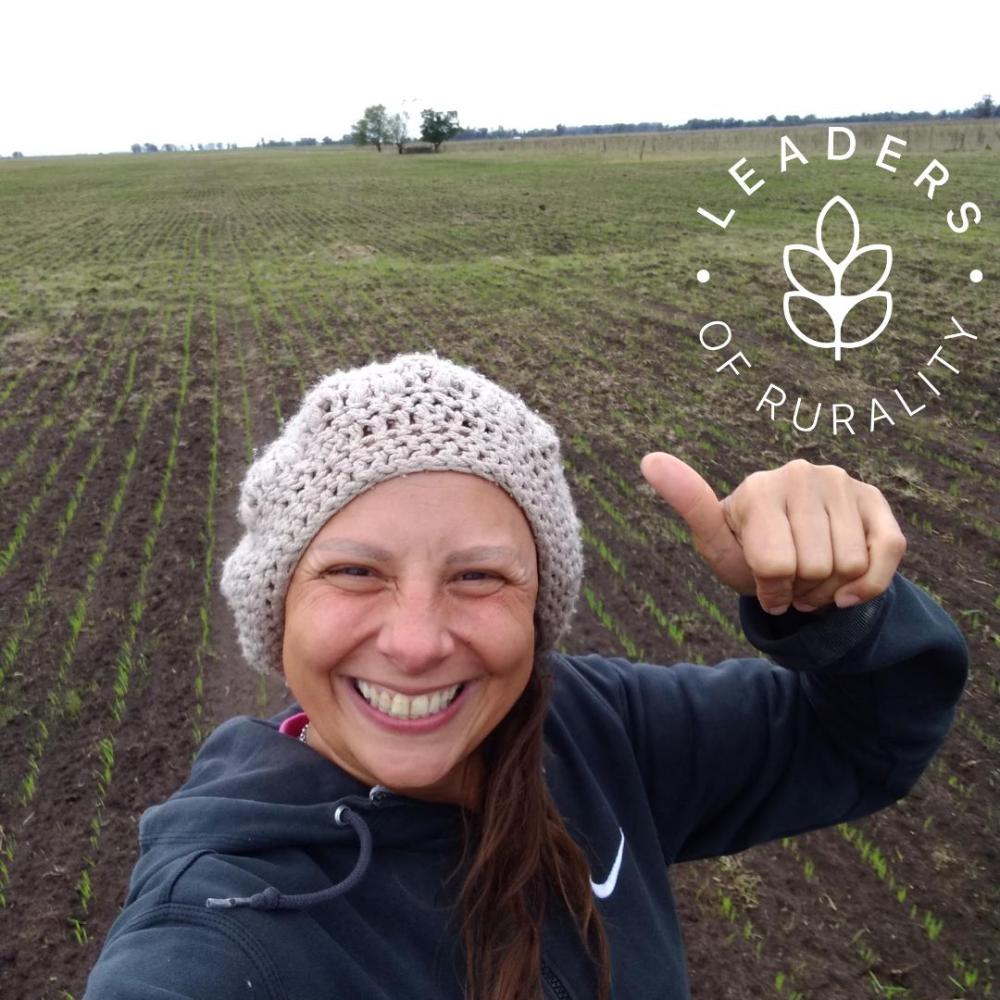
Gorza is a livestock farmer from the Nueve de Julio municipality; Izzo Capella is the founder of a cultural center that works to empower rural women in Las Flores; Paulón is a young woman who is operating a dairy farm in Brandsen; Muñoz is a teacher and advocate of organic agriculture in Catamarca Province; and Ruiz is a chef who champions the use and value of agricultural produce in the Chaco region.
The award is entitled the “Soul of Rurality” and is part of an initiative by the specialized agency for agricultural and rural development to pay tribute to men and women who are making a make a mark and a difference in the rural Americas, which are key to food and nutrition security and the planet’s environmental sustainability. It also emphasizes their capacity to serve as positive role models in rural areas of the region.
“I want to highlight and applaud these stories of commitment and love for the land and for rural people. Turning the spotlight on them is commendable, given their value as role models”, said Secretary Bahillo, who hosted the event.
“Leaders of rurality—he added—facilitate the achievement of life goals and rural retention. Like them, we want new and improved rural areas for our youth”.
Manuel Otero described the leaders as “committed and tenacious” individuals, determined to overcome all the odds that face them. “They build dreams and also bridges. It is high time that we recognize them and acknowledge the fact that rurality is built by strengthening the social fabric”, insisted the Director General.
“You—he said to the awardees—are examples for life and represent a dignified rural life that should be more visible”.
Stories of love for the land
Alina Ruiz (from Chaco Province) was born and raised on the outskirts of El Impenetrable, one of the most inhospitable areas of the Gran Chaco – the immense, wooded plain extending across Argentina, Bolivia and Paraguay. The daughter and granddaughter of farmers, Ruiz moved to Buenos Aires to pursue culinary studies and also trained in Peru and Colombia. El Impenetrable, which literally means The Impenetrable, is so called for its dense vegetation and limited water resources. On her return there, Ruiz set up a rural restaurant named after her grandmother Anna, which she operates based on the zero-kilometer concept. In other words, the restaurant prioritizes the use of crops and livestock produced in that area. It also provides training to rural dwellers, seeking to increase their appreciation for agricultural products.
For most of his life, José Muñoz (Catamarca Province) has been involved in agro-technical education, which he considers a strategic tool in ensuring that youth remain in rural areas. For years, he has been the Director of the Agro-technical School in Tinogasta, a city in the Catamarca province of Northeastern Argentina. This region is dry, with poor soils, and is far-removed from the major productive areas in the country. Thus, crops are grown using artificial irrigation. Today, Muñoz is an advocate for organic agriculture, which he is convinced offers a way to employ the environmentally friendly practices and biological inputs that many Catamarca farmers have traditionally used.
Andrea Izzo Capella (Buenos Aires Province) is a Buenos Aires fashion designer who moved to the city of Las Flores, in the heart of La Pampa – a region blessed with one of the most suitable environments for agricultural production. There, she established a Cultural and Design Center for Rural Women, right from her home, where she seeks to equip traditionally marginalized rural women with the tools needed to create their own production businesses and to believe in themselves.

Patricia Gorza (Buenos Aires Province) is a producer from the Nueve de Julio region. Her great grandparents were farmers from Northern Italy who, on arriving in Argentina, immediately set up their farm in the division of Nueve de Julio. Today, Gorza’s son, Iván, is continuing the family tradition, representing the family’s’ fifth generation of farmers. They grow corn, soya and wheat and also raise cattle, considering themselves to be livestock farmers, which is the activity they most love. Patricia is the head of Mujeres Rurales Argentinas—a group of female farmers, which was established in 2019, and has made a name for itself among other rural associations.
Milagros Paulón (Buenos Aires Province) is only 22 years old and operates a family dairy in Brandsen. She herself does the milking twice per day, in the morning and evening, and produces and sells cheese with her mother. Paulón is a member of the Federación de Asociaciones Centros Educativos Para la Producción Total (FACEPT), a second-level, educational self-managed and co-managed organization, consisting of associations of family farmers, small farmers and rural workers (CEPT 18) in Brandsen, where she studied to be an agricultural technician. She now applies this knowledge to her production.
More information:
Institutional Communication Division.
comunicacion.institucional@iica.int
Photo Gallery