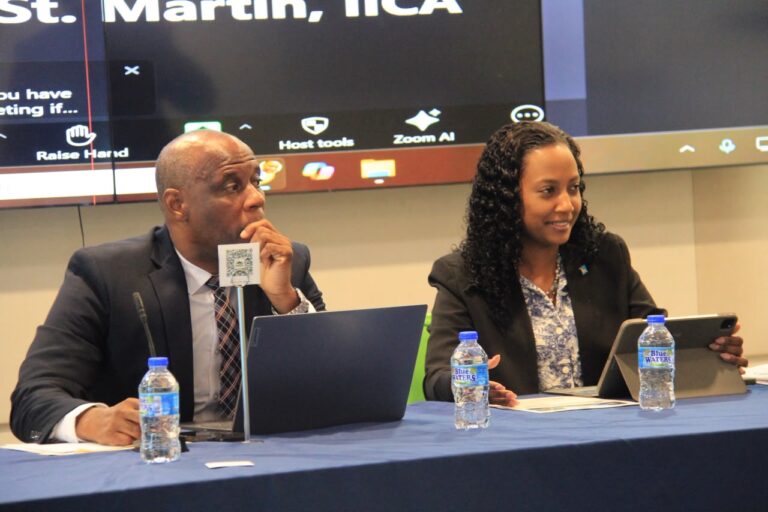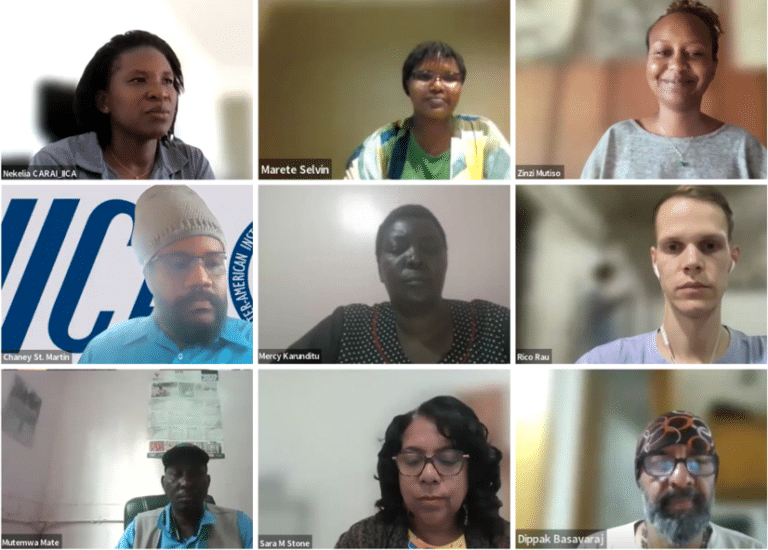
Fifteen AgTechs, companies specializing in the development of digital solutions for agriculture, from Argentina, Brazil, Colombia, Costa Rica, the U.S., Sweden, Uruguay and Venezuela, took part in Digital Agriculture Week 2023.
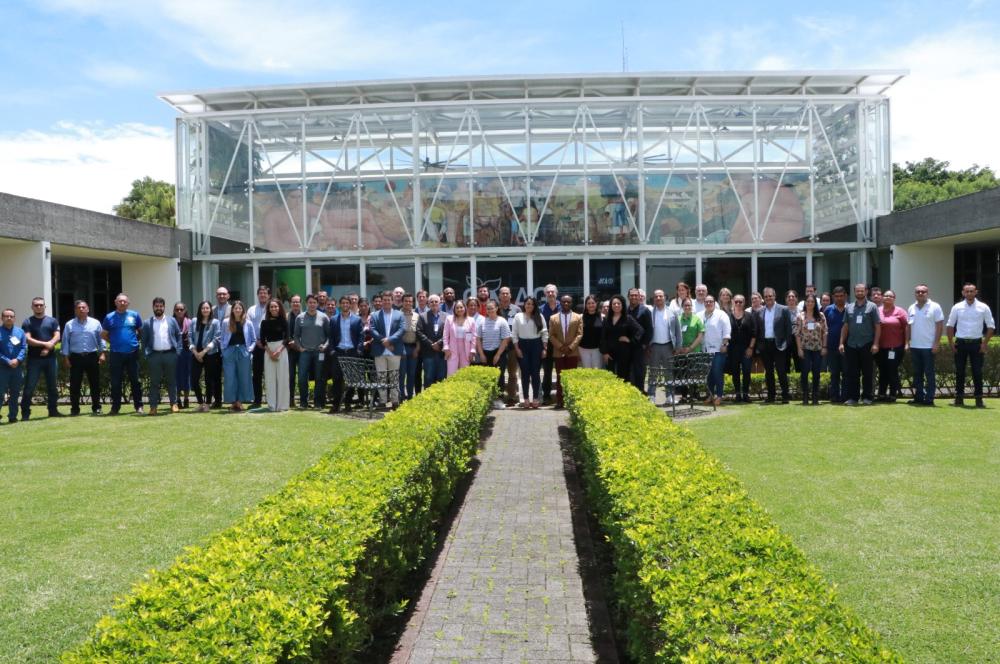
San Jose, 9 June 2023 (IICA). The Inter-American Institute for Cooperation on Agriculture (IICA) is to promote networking and coordination among AgTechs, policymakers, organizations that assist startups, farmers’ groups, research and development (R&D) institutions, and public and private financial entities in the region, in order to strengthen the environment for the generation and application of digital technologies in agriculture in the Americas.
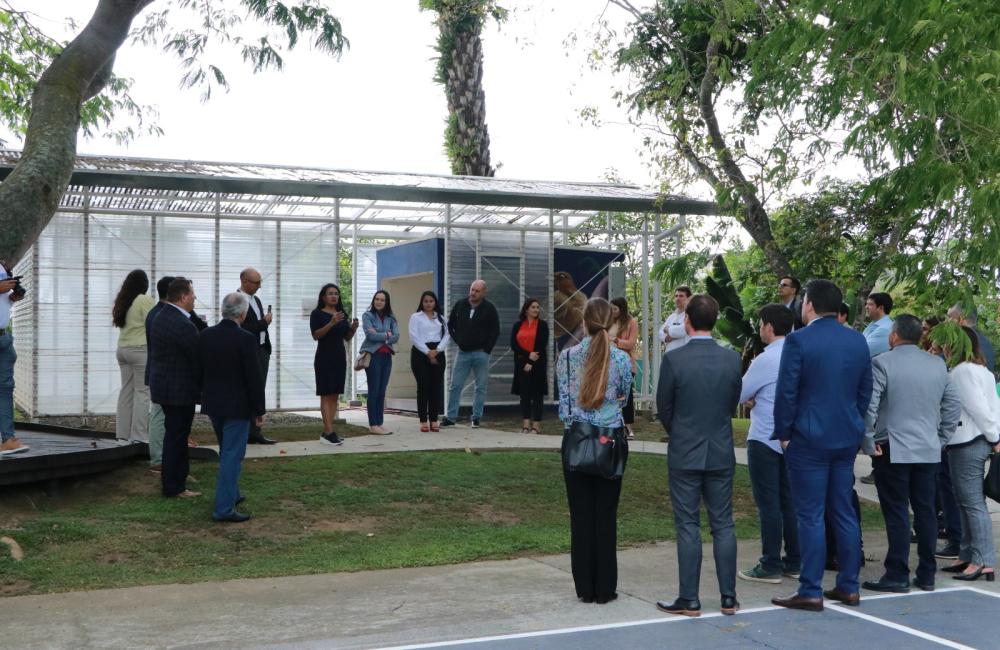
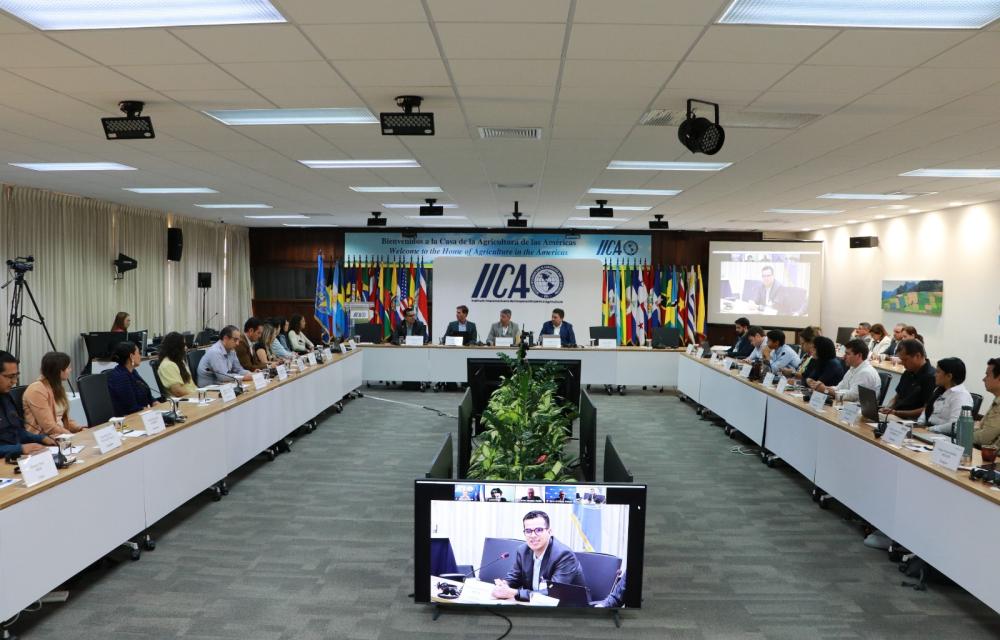
The decision was taken at the end of the second edition of Digital Agriculture Week, held in the Costa Rican capital. The onsite participants included representatives of 15 AgTechs (tech companies whose services are geared to the agriculture sector) from a number of countries in the hemisphere, as well as producer organizations, R&D centers, venture capital investment funds, and multilateral funding organizations.
The event was organized by IICA with support from Microsoft, Bayer, The Yield Lab, the International Fund for Agricultural Development (IFAD), CAF-Development Bank of Latin America, the IDB Lab and Veolia.
During the closing session, IICA ratified its commitment to creating spaces for dialogue and highlighted the importance of strengthening and expediting links among research institutions, AgTechs, and other digital ecosystem stakeholders in the Americas. It also called for the design of public policies that promote the collaboration of public and private financial entities, to drive the development and use of digital solutions in the region.
According to IICA digital agriculture specialist Federico Bert, digital solutions are the main tool for achieving more productive, sustainable, and inclusive agrifood systems in the Americas.
“Technological innovation, and especially digital technologies, are of key importance in the current context, in which agriculture is being asked to produce more food with fewer resources for a growing world population, while contending with climate, social, health, financial and war-related pressures,” Bert commented.
At the forum, specialists from AgTechs and IICA and other international organizations emphasized that farmers and their families must be at the heart of the process of developing and incorporating digital solutions in regional agriculture, to ensure that technological innovations reach all producers and generate real benefits.
IICA will use the conclusions reached at the meeting as input for a proposal it is preparing for an inter-American partnership on food security. The document will be presented to the ministers of agriculture of the Americas in October 2023, and the Institute’s Executive Committee, scheduled to meet in July, will also be studying the proposal.
Challenges and call to action
During Digital Agriculture Week 2023, experts made some 50 presentations and contributions on topics such as research, entrepreneurship, and public and private financing. There was agreement that, despite the substantial supply of digital solutions in the Americas, a number of barriers to their use remain.
The challenge, they said, lies in finding effective ways of delivering new technologies to producers.
“The new demands of consumers and export markets, which require traceability, are also driving the adoption of digital technologies in agriculture across the region. To boost the incorporation of these technologies in agriculture, we must recognize and adapt to the cultural, geographical and socioeconomic differences between regions and countries,” Federico Bert noted.
The IICA specialist added that Latin America and the Caribbean had a great opportunity to develop highly scalable digital technologies and digitalize their agrifood systems, but for that potential to be realized, the region’s AgTech ecosystem had to be consolidated.
More information:
Institutional Communication Division.
comunicacion.institucional@iica.int