Alliance focuses on production of roots and tubers and on protected agriculture.

Haiti, September 9, 2011 (IICA). Protected agriculture and the cultivation of roots and tubers will receive a boost in Haiti, thanks to an alliance between the Inter-American Institute for Cooperation on Agriculture (IICA), the Caribbean Agricultural Research and Development Institute (CARDI) and the Ministry of Agriculture, Natural Resources and Rural Development (MARNDR).
A donation of nearly US$1.7 million has been received from the Common Fund for Commodities (CFC) and the European Union in order to implement two projects aimed at strengthening the agricultural sector within that Caribbean country. These initiatives are expected to last for 30 months.
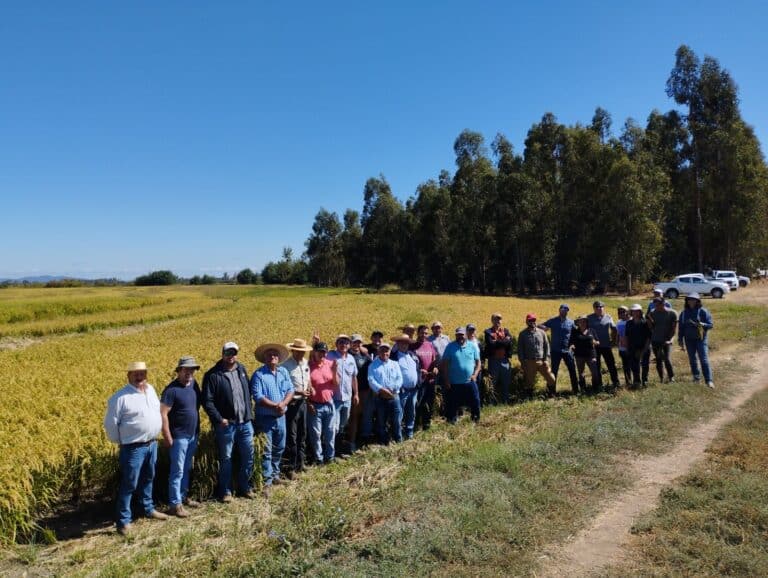
With respect to roots and tubers, CARDI and IICA are working along with MARNDR and are focusing their activities on cassava and yam, with some attention to be paid to sweet potato and dasheen.
The object of the project is to improve the living conditions of the rural sectors through the use of adequate production and commercialization technologies. More specifically, its aim is to increase demand for fresh and processed products, strengthen existing production associations, improve the production and distribution of healthy planting material and evaluate the technological innovations in use for producing roots and tubers.
Upon completion, the project is expected to facilitate the preparation of 800 hectares for cultivation of roots and tubers, train more than 450 persons and increase production yields by at least 35%.
With respect to protected agriculture, the alliance will modernize the units of agricultural production by introducing new technologies. The project will also boost the production of herbs, spices and vegetables through the use of protected nurseries in order to positively impact the lives of the communities, food security, traceability, yields and trade. The initiative is based on the rehabilitation of 10 greenhouses which will support 400 persons who are involved in the activity.
Both projects are being carried out in close collaboration with the private sector and are part of a broader plan of action that involves other Caribbean countries such as Barbados, Dominica, Jamaica, Saint Vincent and the Grenadines and Trinidad and Tobago.
For more information, contact:
alain.thermil@iica.int
rachelle.Chery@iica.int
alfredo.mena@iica.int