Argentine veterinarian Luis Barcos was presented by the Argentine government as a candidate to head the organization, with regional support. The election will be carried out by the delegates of the countries next May.
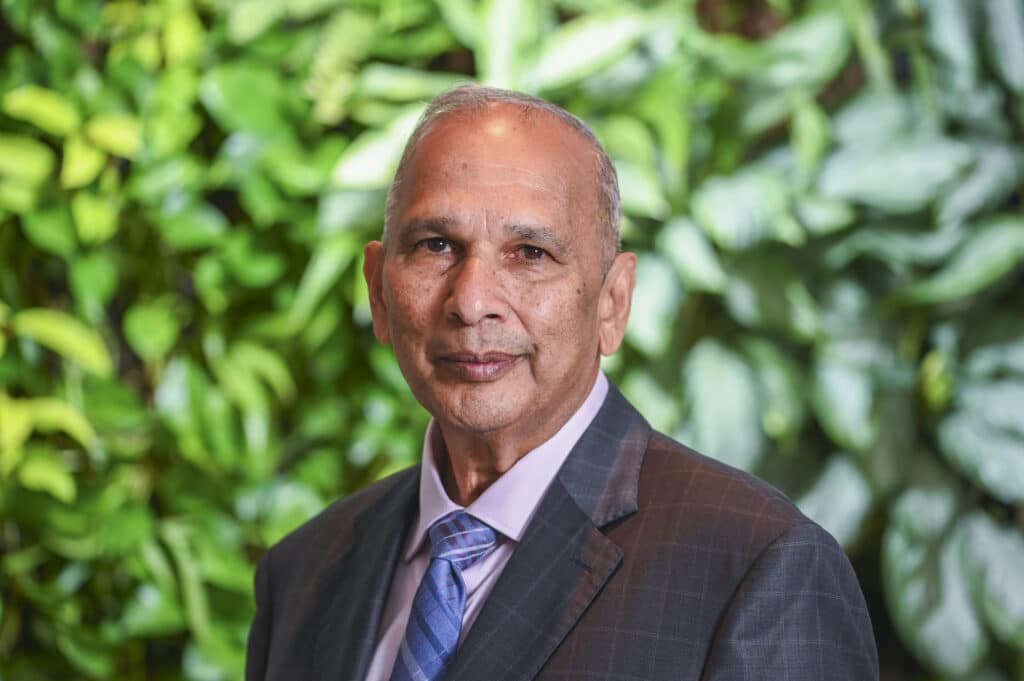
San Jose, 26 January 2024 (IICA) – The Argentine veterinarian Luis Barcos could become the first Latin American to direct the World Organisation for Animal Health (WOAH), an entity founded in 1924 and based in Paris.
Barcos has extensive experience in the field of animal health, having been the Regional Representative for the Americas at WOAH for 20 years, and was presented by the Argentine government as a candidate to head the organization, with regional support. The election will be carried out by the delegates of the countries next May.
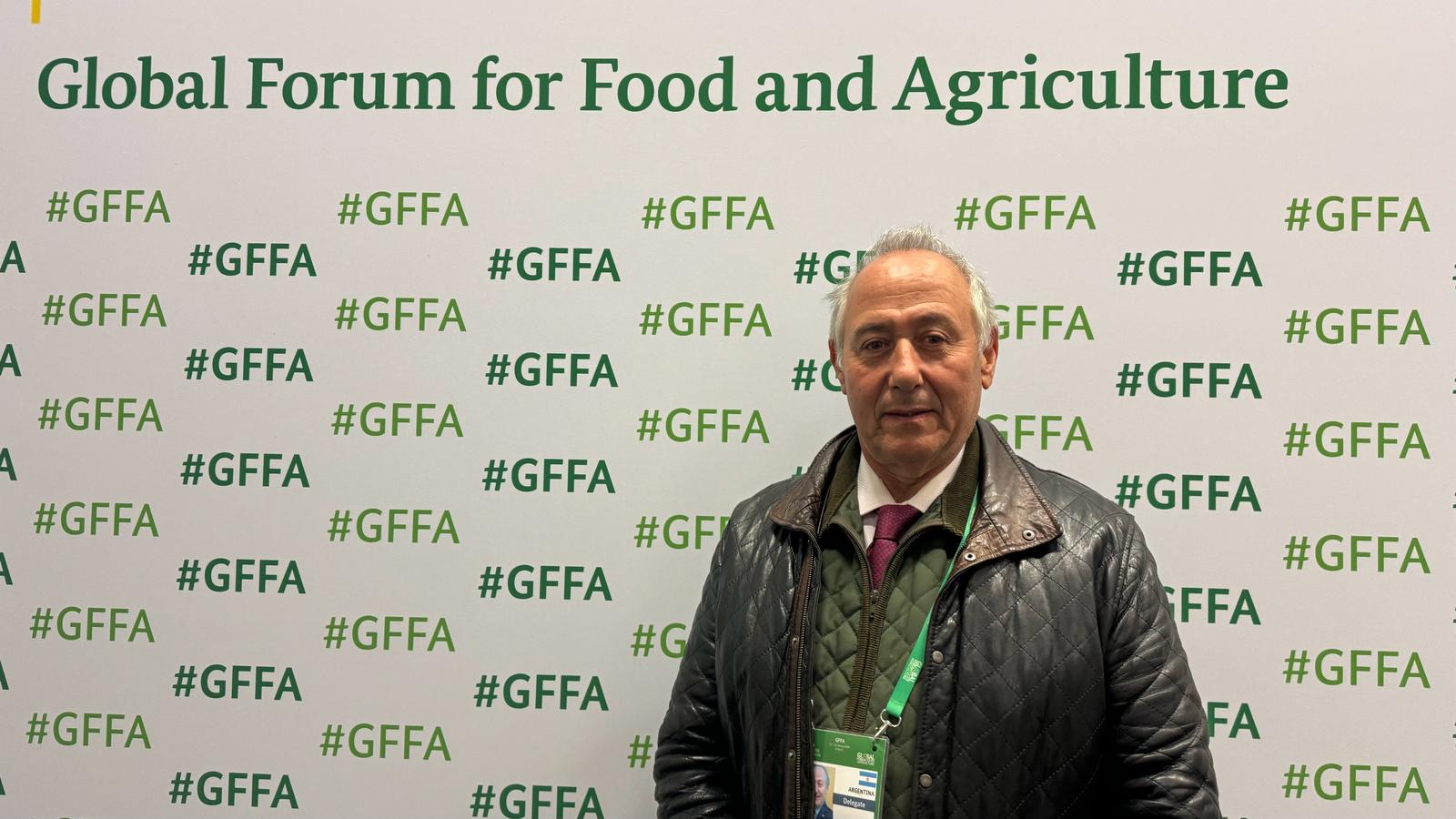
“I want to be the Director General of this organization because I am convinced that I can make a significant contribution to achieving its objectives, which are to facilitate trade and increase solidarity between countries”, Barcos explained when participating in the Green Week, which included the Global Forum for Food and Agriculture, a prestigious conference organized by the German government in which the Inter-American Institute for Cooperation on Agriculture (IICA) participated along with a group of ministers from the region.
“This is about helping the countries that need to improve the capabilities of their veterinary services for the prevention, control and treatment of diseases. This facilitates safe trade with an integrated vision, which considers the diversity of production systems and the social, economic and cultural diversity of the countries”, he pointed out.
Animal diseases pose a threat to food security and economic growth, which is why the world community must address them in a coordinated manner, through the WOAH.
The organization and its members jointly coordinate the global response to animal health emergencies, the prevention and control of animal diseases, including zoonoses, the promotion of animal health and welfare, and the improvement of access to sanitary services.
The mission and vision of WOAH is to provide leadership in global health governance.
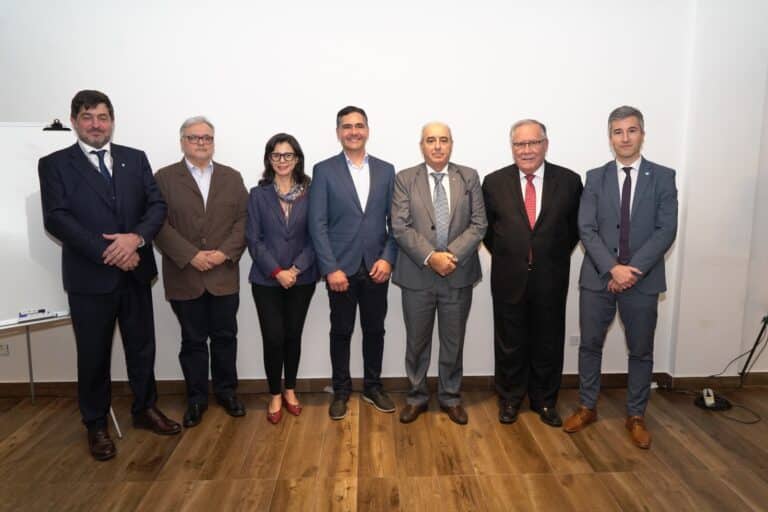
In Berlin, Barcos met with the Director General of IICA, Manuel Otero, with whom he exchanged ideas and information regarding the organization of a regional meeting on animal health.
Within the framework of the decisions adopted at the last meeting of Ministers of Agriculture of the Americas, the Director General of IICA, together with the Government of Paraguay, has the mandate to hold this regional summit on animal health in April, where they will ratify their support for Barcos’ candidacy.
Different realities
Barcos stated that the realities of different countries require different responses.
“The situation of the countries in Africa, America, Asia and the Middle East is totally different in terms of production. Some countries are intrinsic exporters or wish to become exporters, whereas other countries do not. Within exporting countries there are producers who cater to the local market or their neighbors, and the standards that are developed must take these realities into account. One cannot make rules that are restrictive of trade or that harm developing countries, which are the majority of countries in the world”, he explained.
“Of course”, he continued, “science must be applied, to guarantee the safety of trade based on disease prevention and control. These are some of my goals if I am elected Director General”.
Barcos explained that the 183 member countries of the WOAH will vote in the election and that his candidacy is supported by all Latin American countries.
The expert also revealed that in Berlin he held very positive conversations with African delegates. “They view very favorably the possibility of an alternation, after 100 years in which the Director General Director of this organization has always been French. We have even spoken with countries in Europe and Asia that were really surprised by this candidacy. Some even believed that the Director General always had to be French. This is not the case: he or she can be from any country in the world, and I do hope that all the countries in the world will support me”, he stated.
More information:
Institutional Communication Division.
comunicacion.institucional@iica.int