Thanks to the EU, IICA and GMA, 60 professionals from the private and public sectors from across the CARIFORUM Region will benefit from rigorous food safety training in the HACCP System.
Bridgetown, Barbados, 26 April, 2016 – Thanks to the EU, IICA and GMA, 60 professionals from the private and public sectors from across the CARIFORUM Region will benefit from rigorous food safety training in the HACCP System.
International food safety capacity in CARIFORUM States will be significantly improved through a series of training workshops in the Hazard Analysis Critical Control Point (HACCP) System.
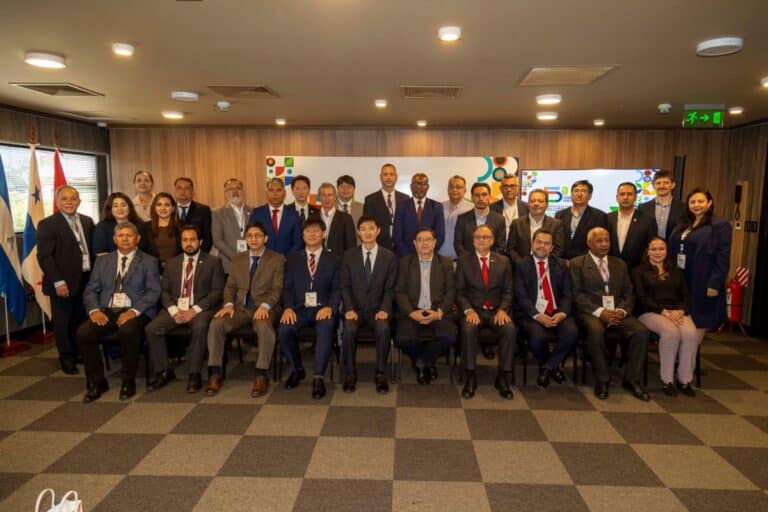
The first workshop of the nine-month long programme, which took place at the Accra Beach Hotel in Barbados from 26-27 April, is one of the activities developed under the 10th European Development Fund (EDF) for the Sanitary and Phytosanitary (SPS) Measures Project.
The SPS Project, which is funded by the European Union (EU) and implemented by the Inter-American Institute for Cooperation on Agriculture (IICA) and its partner agencies, seeks to enable CARIFORUM States to capitalise on international trade opportunities.
Professionals from the private and public sectors from across the CARIFORUM Region will benefit from rigorous food safety training in the HACCP System, under the instruction and guidance of trainers from the Grocery Manufacturers Association Science and Education Foundation (GMA SEF).
Head of the European Union Delegation in Barbados, Ambassador Mikael Barfod said: “This is an important initiative that the EU is pleased to participate in as it addresses issues of economic diversification, while at the same time contributing further to development of the Region’s agro-processing capacity”.
During an address made at the Inception Workshop, Mrs Ena Harvey, Head of the Barbados Delegation of IICA, highlighted the critical role of the HACCP Food Safety Training Session, which she stated, would “contribute to an improvement in the technical competence of public sector professionals and private sector personnel within the region to meet national, regional and international Food Safety Standards”.
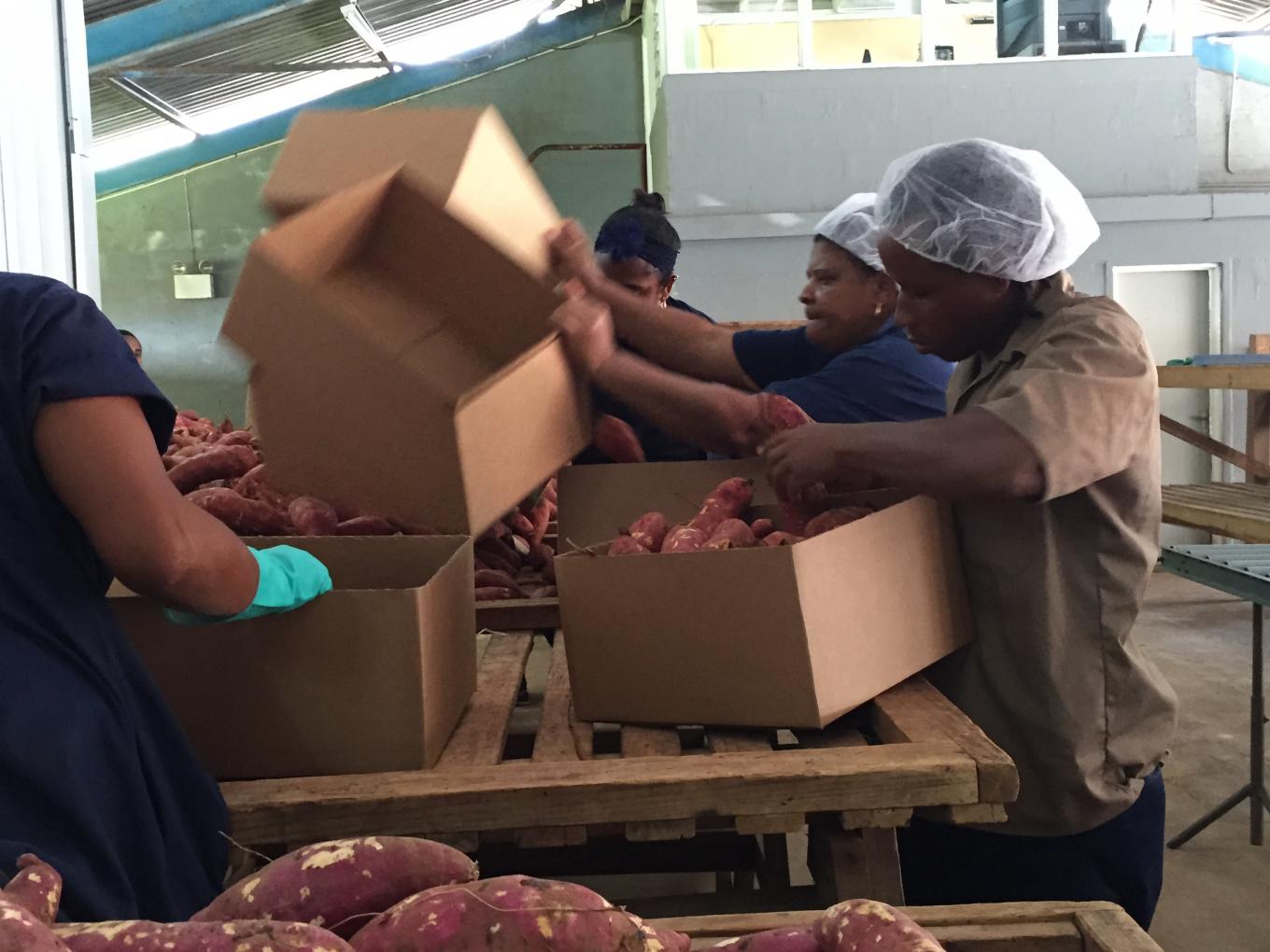
According to Mrs Harvey, at present, many agri-food products originating from the CARIFORUM Region cannot be exported to overseas markets because many companies do not comply with food safety regulations and other SPS standards required for the international export and trade of products. She acknowledged that the low level of compliance with food safety regulations and other SPS standards, presents a challenge to the achievement of a greater level of international market access and trade for exporters of agri-food products that originate from CARIFORUM States.
At the Inception Workshop, Dr Janet Lawrence, Project Manager of the SPS Project, explained that all countries must comply with SPS Measures in order to successfully export their products to international markets. SPS Measures, she said, are applied to protect human, animal, plant health and life from risks arising from pests, diseases or disease-causing organisms and from contaminants and food-borne illness.
Dr Lawrence reiterated the importance of adopting and complying with the HACCP System, which is an internationally recognised Food Safety system. She stated that any company involved in the manufacturing, processing or handling of food products should adopt this System to minimise or eliminate food safety hazards in their product.
The methodology
The HACCP Training programme consists of two phases that will be conducted over a 9-month period.
The first phase comprises a three-part “Train-the Trainer” programme directed at 30 public and private sector professionals from the CARIFORUM region. During this part of the programme, technical assistance will also be provided to selected private sector companies in the development and implementation of HACCP plans.
The second phase, which is scheduled to start in June 2016, comprises Regional HACCP training and the provision of Technical Assistance to private sector companies through the delivery of workshops that will offer training to 60 private sector participants from across the Region. Participants will be monitored both during and after the sessions to ensure that HACCP plans are implemented in a satisfactory manner.
At the end of the “Train-the-Trainer” phase, participants who have successfully completed all aspects of the Programme will receive the internationally recognised International HACCP Alliance (IHA) certification.
Dr Lawrence remarked that the HACCP Food Safety Training Workshop is just one activity being implemented under the EU-funded SPS Programme. The Programme seeks to capitalise on international market access and trade opportunities by improving the legislative framework, coordination mechanisms and technical capacity in the areas of animal health, plant health, food safety and fisheries.
Dr Lawrence affirmed that IICA, together with its partner agencies, is working in earnest to ensure a successful conclusion of the SPS Programme, which is set to end in March 2017.
Mr Barfod, the EU Ambassador, also reiterated the EU’s commitment to the continued development of the CARIFORUM Region and expressed confidence that the components and activities of the SPS programme would contribute to the beneficial integration of the Region into the international economy.
More information: alicia.lynch@iica.int