By way of videoconferencing, and with the support of IICA, the Ministers discussed price communication mechanisms and harvest forecasting systems, trade cooperation and the need to boost intra-regional agricultural markets.
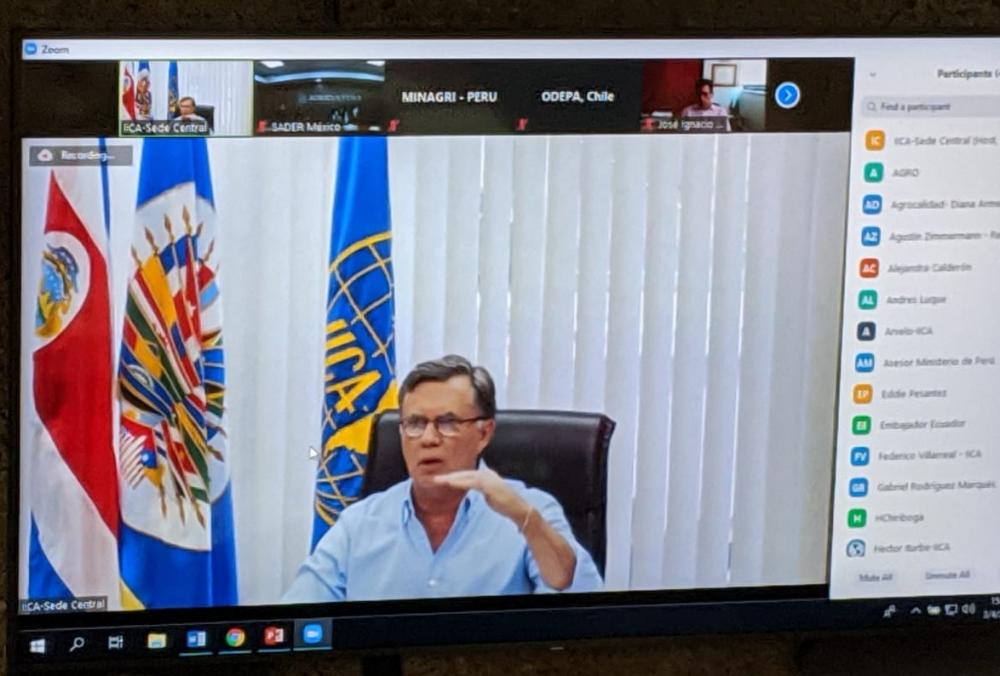
San Jose, 6 April 2020 (IICA). The Ministers, Secretaries and Senior officials in charge of Agriculture from Bolivia, Chile, Colombia, Ecuador, Mexico and Peru, with the support of the Inter-American Institute for Cooperation on Agriculture (IICA), met via videoconference to share information and experiences concerning the most salient measures being implemented to support the agriculture sector in their countries, within the context of the current global health crisis.
The meeting was called by the Minister of Agriculture and Livestock of Ecuador, Xavier Lazo, and the initiative was widely accepted.
The ministers mentioned the need to implement price communication mechanisms and harvest forecasting systems, promote good agricultural and biosafety practices and trade cooperation ties, and boost common intra-regional agricultural markets.
The senior officials engaged in a fruitful exchange of information and ideas regarding the impact of the crisis on food supply, and analyzed the performance of the different chains and the situation of family farmers. They went on to discuss issues concerning inventories, as well as health and phytosanitary matters.
The participants in the virtual meeting fully acknowledged the need to revitalize intra-regional trade, by ensuring access to better information on food surpluses and shortages.
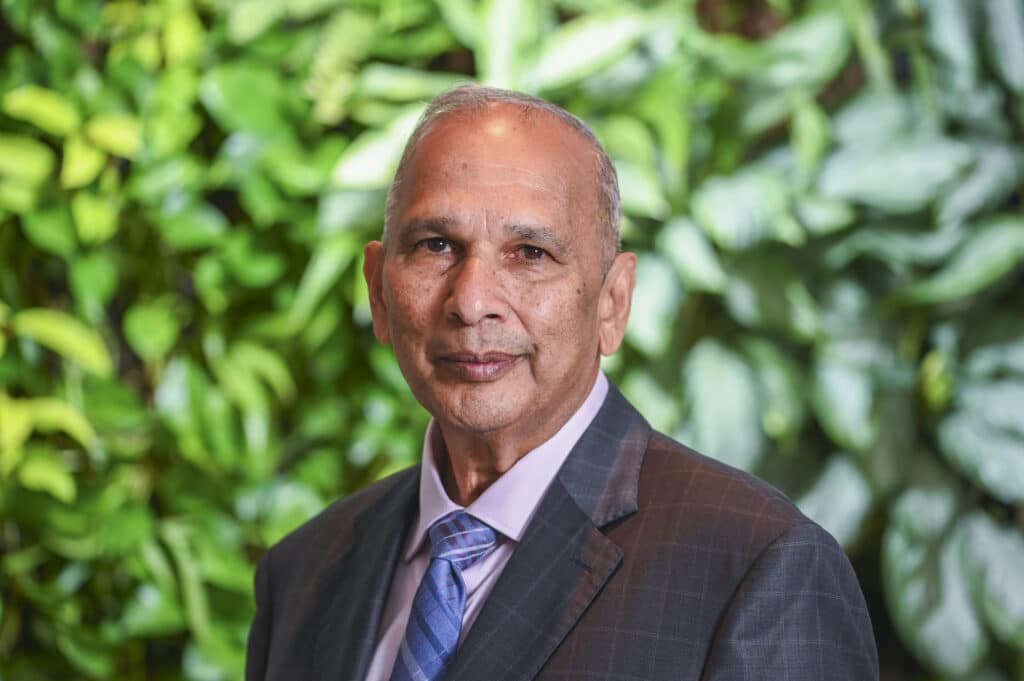
With regard to this need, IICA’s Director General Manuel Otero stated that the organization, specializing in agricultural and rural development, is creating an application exclusively for the Ministers of the region, to facilitate real-time exchange of information on inventories.
The issue of the so-called itinerant markets was also addressed. These systems are already functioning in some of the countries, and there was general agreement that local fairs, farmers’ markets and e-commerce can offer new trade opportunities in the short and medium term.
The Ministers and Secretaries will be meeting again shortly using the same modality. For the next meeting, IICA will introduce a roadmap with proposals for the emergency context and for future scenarios.
IICA’s Director General, Manuel Otero, explained that the organization, in the context of the current crisis, is offering tools to facilitate political and technical dialogue in the region among agricultural authorities of the member countries, and implementing strategic technical cooperation initiatives on the topic of food security.
More information:
Institutional Communication Division.
comunicacion.institucional@