10th EDF SPS Project provides capacity building training for stakeholders in Jamaica’s Agricultural Health and Food Safety Sector.
During 2015, the IICA Jamaica office commenced implementation of activities under a regional Sanitary and Phytosanitary (SPS) Project being funded by the 10th European Development Fund. The SPS Project aims to increase production and trade in agriculture and fisheries, which meet international standards while protecting plant, animal and human health and the environment. It is being implemented in the 16 CARIFORUM States.
In Jamaica, the project has sponsored the attendance of several government officials at international fora pertaining to agricultural health and food safety, which are important for increasing the voice of the country in the international standard setting process. These fora have included:
- International Plant Protection Meeting – Commission on Phytosanitary Measures (CPM), held in Rome, Italy in March
- 9th Session of the Codex Committee on Contaminants in Foods (CCCF9), held in New Delhi, India in March
- Committee on Sanitary and Phytosanitary Measures (SPS Committee), held at the World Trade Organisation (WTO), Geneva, Switzerland in March
- SPS Codex Committee on Residues of Veterinary Drugs in Foods (CCRVDF22), San Jose, Costa Rica in April/May
- 83rd World Assembly of Delegates of the World Organisation of Animal Health (OIE), held in Paris, France in May
- SPS International Plant Protection Convention – Meeting of the Technical Panel on Diagnostic Protocols, Shanghai, in June.
- SPS Caribbean Plant Health Directors Forum (CPHD), Aruba in July.
- SPS Antimicrobial Use and Antimicrobial Resistance in Agricultural training – Ohio State University in July
- SPS 38th Session of the Codex Alimentarius Commission, Geneva, Switzerland in July.
- SPS 63rd SPS Committee meeting, Geneva, Switzerland in July.
The project has also facilitated the participation of government representatives at meetings of regional technical bodies for agricultural health and food safety. These have included the annual meetings of the Caribbean Animal Health Network (CaribVET) and the Chief Veterinary Officers of CARICOM and the Coordinating Group of Pesticide Control Boards of the Caribbean. Participation in these meetings help to strengthen the region’s ability to prioritize and coordinate actions to improve the health of agricultural sector in the region.
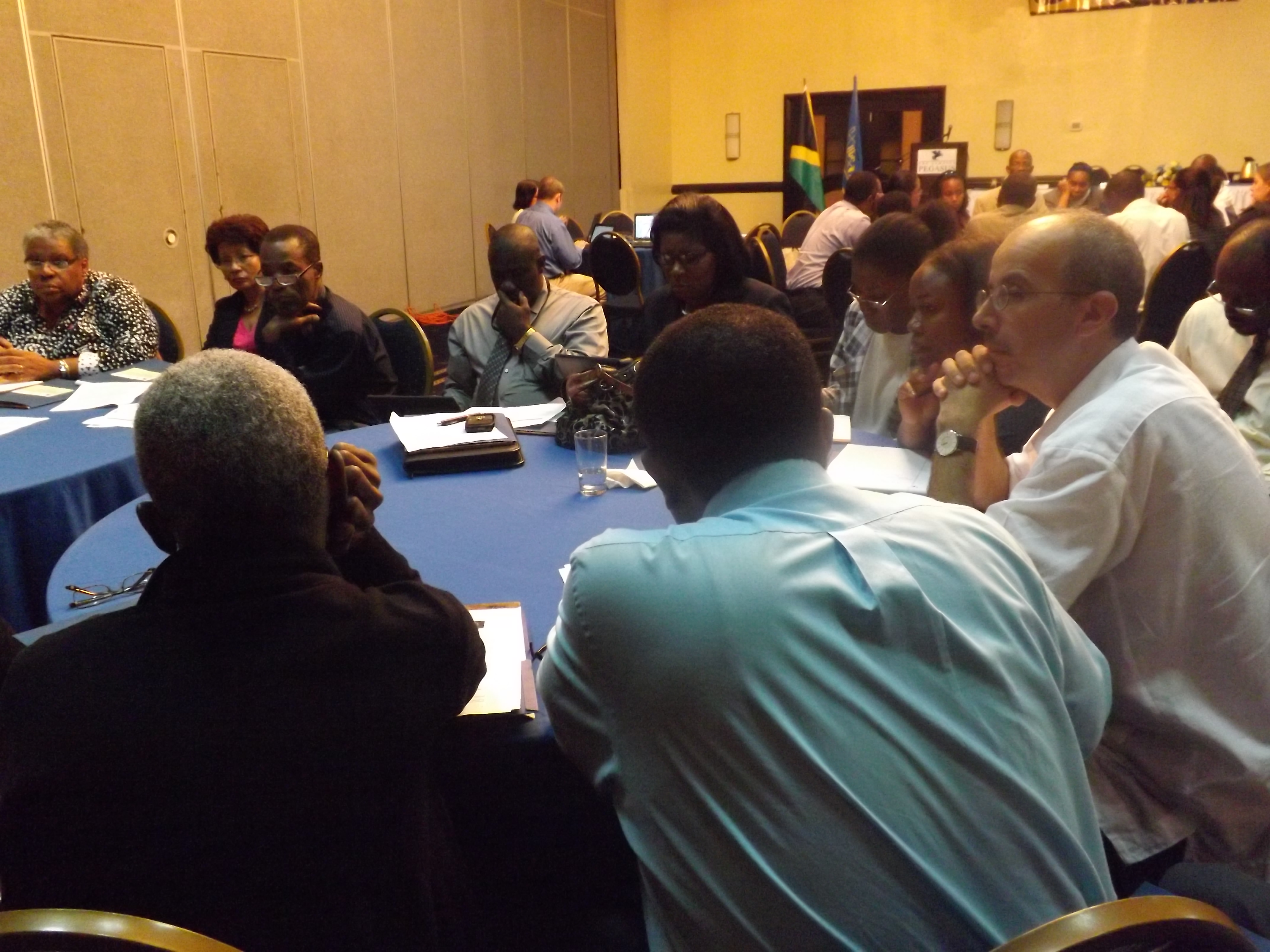
Several persons have also benefited from training under the project, specifically in food safety and food security, food borne disease surveillance, anti-microbial resistance, salmonella surveillance and risk management, and applying the One Health concept (which combines animal, plant and environmental health. The SPS Project, which is managed from the IICA Office in Barbados, has facilitated these workshops in collaboration with several organisations, such as the Pan American Health Organisation/ World Health Organisation (PAHO/WHO), CaribVET, Food Hygiene Bureau, Caribbean Public Health Agency (CARPHA), Food and Agriculture Organisation of the United Nations (FAO), and OIE.
The National Agricultural Health and Food Safety Coordinating Committee (NAHFSCC), the multi-agency committee tasked with coordinating food safety issues in Jamaica, has taken on the role of the overseeing the project’s implementation in country. Thus, the IICA Office in Jamaica is collaborating with the NAHFSCC to enable the execution of project activities locally.