The project will seek to reduce 5.18 million tons of CO₂ equivalent by restoring 12,500 hectares of degraded areas and promoting cocoa agroforestry systems (SAF-cocoa) that combine native trees and species of economic value.
Belém do Pará, Brazil 10 November 2025 (IICA) – Through its Ministry of Agriculture and Livestock (MAPA) and the Executive Commission of the Cocoa Farming Plan (CEPLAC), and in partnership with the Inter-American Institute for Cooperation on Agriculture (IICA), the Brazilian government will implement the project entitled “Climate Change Mitigation and Adaptation through Cocoa Farming Agroforestry Systems in the Amazon and Atlanic forest biomes”, with funding from the Green Climate Fund (GCF).
The initiative, which will mobilize a total investment of USD 30.9 million—of which USD 23.1 million correspond to the GCF and USD 7.8 million are co-financed by MAPA/CEPLAC and IICA—will directly benefit more than 69,000 family farmers and indirectly benefit nearly 400,000 people in 26 municipalities in the states of Bahía and Pará, in northeastern and northern Brazil.
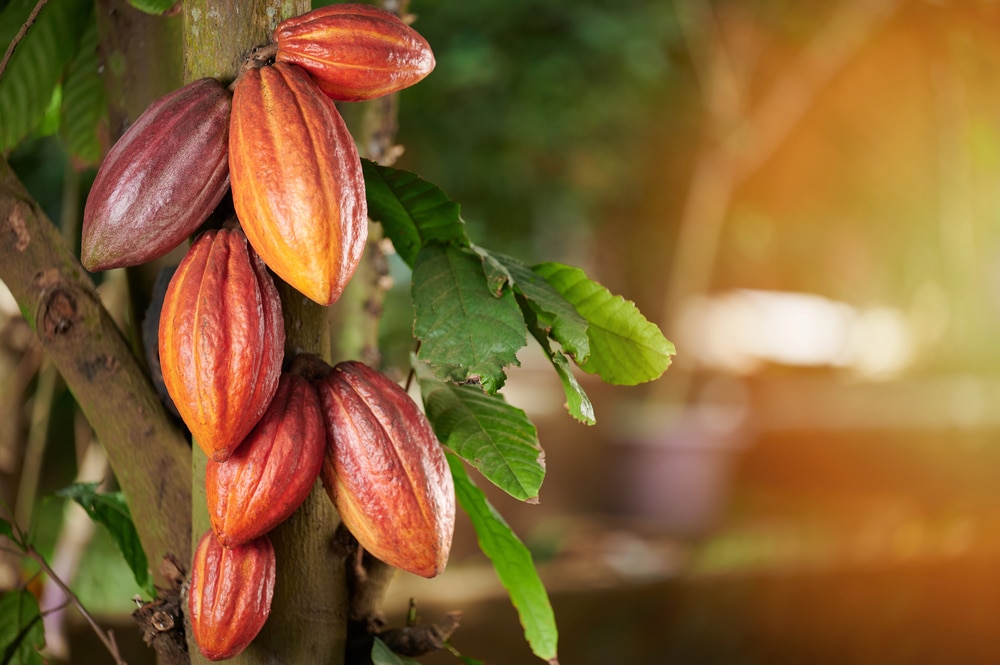
The project will seek to reduce 5.18 million tons of CO₂ equivalent by restoring 12,500 hectares of degraded areas and promoting cocoa agroforestry systems (SAF-cocoa) that combine native trees and species of economic value. This innovative strategy will allow for increasing climate resilience, restoring degraded soils, preserving biodiversity and improving income for farming families.
The strategic partnership between IICA and CEPLAC is the foundation of the project, combining CEPLAC’s technical expertise in genetic improvement, research and rural extension with IICA’s capacity to manage international cooperation and promote innovative solutions for sustainable agriculture.
Together, the institutions will promote a new development model based on scientific knowledge, technological innovation and social inclusion.
Key actions will include the modernization of laboratories and nurseries, the use of digital technical assistance technologies (digital TARE), the training of farmers and technical specialists, and access to green credit opportunities through the National Program for the Strengthening of Family Farming (PRONAF). The project will also promote applied research and the creation of an intelligent monitoring system that will integrate productive, environmental and social information to guide public policies and future investments.
According to Gabriel Delgado, IICA Representative in Brazil, “the partnership with CEPLAC and the support of the Green Climate Fund will enable Brazilian cocoa to become a model for innovation and sustainability, while also strengthening family farming and protecting the country’s most biodiverse ecosystems”.
The four-year project is part of Brazil’s efforts to meet its climate goals, which include restoring 30 million hectares of degraded land and reducing emissions by 59% by 2035.
Through these efforts, Brazilian cocoa is solidifying its standing as a sustainable, inclusive and innovative production model that contributes to a low-carbon and climate-resilient rural economy.
More information:
Institutional Communication Division.
comunicacion.institucional@iica.int