IICA participates in the Assembly of the Inter-American Network of Food Analysis Laboratories, MSF Workshop and Rice Fortification Forum

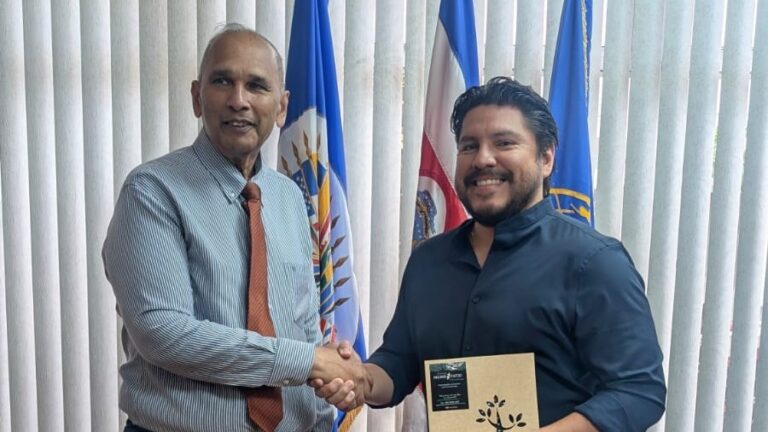
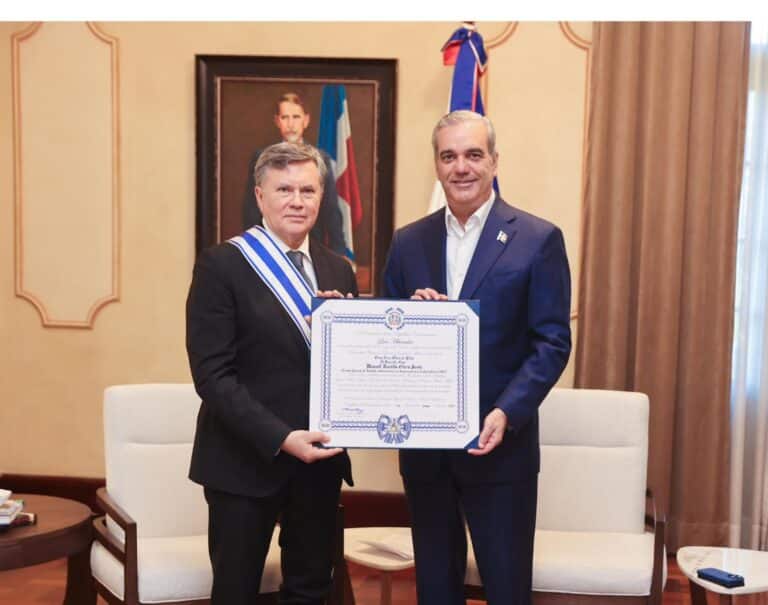
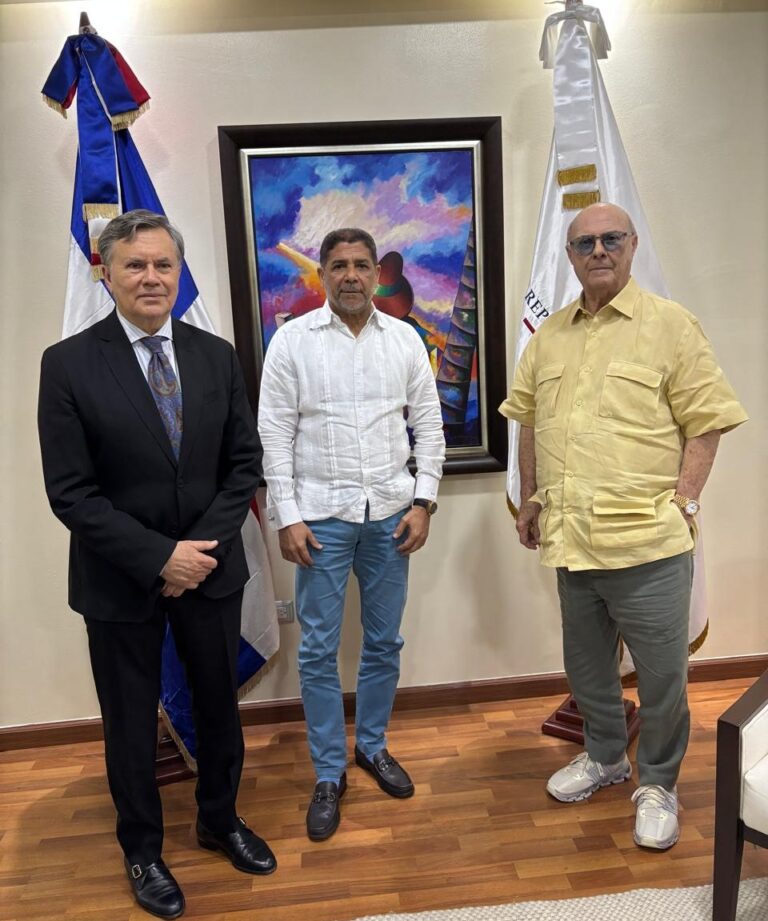
Santo Domingo, Dominican Republic, November 2018 (IICA). During the month of November, IICA supported and participated in national capacity-building activities and promoted the exchange of experiences among technicians in the area of food safety.
One of the supported activities was the Dominican Network of Food Analysis Laboratories (REDLAA) where the IICA participated in the coordination and development of the Ninth Assembly of the Inter-American Network of Food Analysis Laboratories (RILAA). In this event, IICA shared the Institute’s experience as part of the Inter-agencies and Integrated Surveillance Group with the participation of Ericka Calderon who presented the topic of Antimicrobial Resistance (AMR). Virginia Quiñonez presented the experiences of the implementation of a AMR Plan and explained the process of the execution of the SISARA project.
Moreover, IICA also participated in the workshop on «Sanitary and Phytosanitary Measures (SPS) and Information of support entities to the public sector – European Regulation with emphasis on the new regulations» where the new European requirements were presented and discussed, as well as the official sources of information where the country may locate data in order to evaluate the behavior of the products that are exported to the European Union. This activity served to identify opportunities for improvement that the Dominican Republic should address in order to comply with the EU import requirements for third countries.
Lastly, IICA was part of the Forum of Rice Fortification, where the advances in this aspect were presented, highlighting the government’s support for the contribution of this product to Food Security. The Vice President of the Republic, Margarita Cedeño, highlighted the importance of rice fortification in the country and noted that it is a priority issue for the country. The activity had the participation of the industrial sector, consumers, State, international organizations, among other interest groups where the regulations and rules that will govern the fortified rice in the country were presented and discussed.
More information: Gaudy Suzaña, Specialist in Agricultural Health and Food Safety, gaudy.suzana@iica.int