According to Eksi Edwards: “Like IICA, the 4H program focus mainly on agricultural development, rural well-being and the involvement of youths in agriculture. While global warming is upon us, there is a lot to be achieved by allowing these two organisations to work together since the both are working on the UN sustainable development goals”.

I was once told ‘the most powerful leadership tool you have is your own personal example.’ And for the past 1 week I have experienced that first hand. While the summit ran for only four days, I left with experience and knowledge that can last a lifetime. I listened to presenters and keynote speakers talk about their experience and involvement with the 4H programs and the impact the program made on individuals all over the world. They spoke of youth empowerment, team work, nation building and the importance of youth involvement in agriculture.
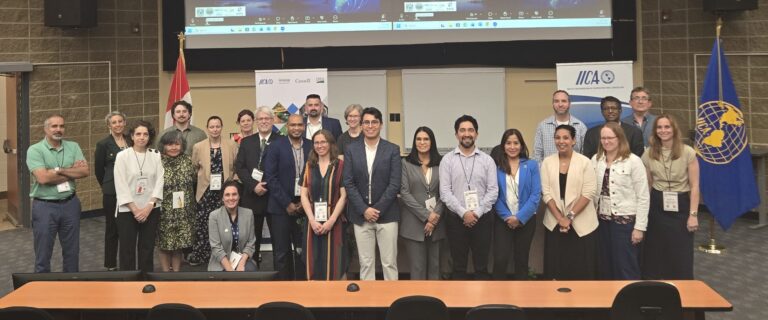
The Global 4H summit changed my way of thinking, and opened my eyes to a lot of what is happening around the world. For the first time, I was in a room with representatives from thirty-five different countries sharing their views, experience and contributions to agriculture.
Like IICA, the 4H program focus mainly on agricultural development, rural well-being and the involvement of youths in agriculture. While global warming is upon us, there is a lot to be achieved by allowing these two organisations to work together since the both are working on the UN sustainable development goals.
Being the president of the Guyana School of Agriculture 4H Club, this summit gave me the opportunity to learn about new methods, experiments and ideas on how I can improve the involvement of youths in agriculture in Guyana. I will be leaving Canada with more knowledge and a greater understanding on the importance of agriculture, which I will be passing on to not only my club and school but I plan to visit all the other 4H clubs in my country so that they too will be able to share with others, because while people of all ages share in the goal of creating a sustainable and healthy planet, it is the youngest members of the global population who may have the most to win or lose in whether we achieve targets for sustainable living. Decisions made by individuals, countries and as an international community will have long lasting impacts that will continue affecting the lives of the members of our youngest generation, who will have more time to spend on the planet in the future than older generations, for many years to come. With 4H’s accessibility to youths in over 70 different countries worldwide it will give IICA a greater opportunity in accomplishing its goal since more youths will be informed of IICA’s internship program, projects and worldwide mission, creating more partnership, better living and a greater world.
For more information:
iica.ca@iica.int