Recognising the need to improve productivity in back-yard chicken rearing, the Inter-American Institute for Cooperation on Agriculture allocated a small amount of funding “To promote coops and biosecurity measures to improve the health and productivity of chickens reared in back-yards.”
Recognising the need to improve productivity in back-yard chicken rearing, the Inter-American Institute for Cooperation on Agriculture allocated a small amount of funding “To promote coops and biosecurity measures to improve the health and productivity of chickens reared in back-yards.”
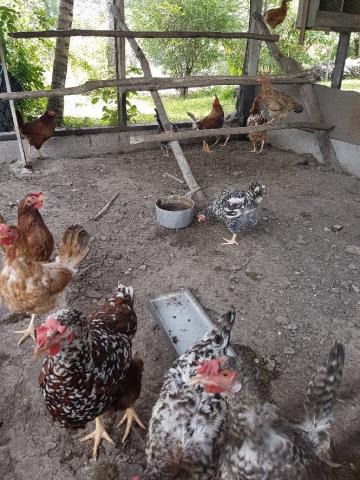
Chickens reared without coops, or in poorly designed coops, can be exposed to predators (such as rats, snakes and dogs) and are frequently subjected to diseases caused by contact with wild birds, overcrowding, wet and damp conditions and / or carried into the flock on visitor’s foot-ware.
A well designed chicken coop, combined with a few simple biosecurity measures, can prevent the introduction of diseases and go a long-way to improve the health and productivity of chickens reared in a back-yard or small-scale setting.
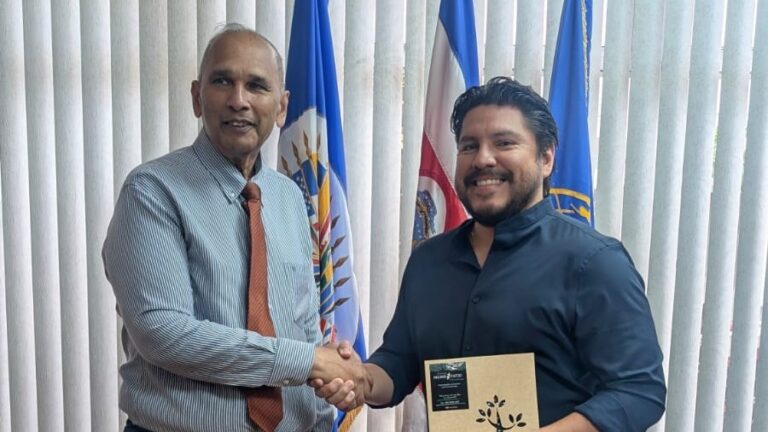
IICA provided funds to five educational institutions (Centro Escolar Mexico Junior College (CEMJC), 4H—Belmopan, Stann Creek Agriculture Station, Corazon Creek Technical High School and ITVET Toledo) to purchase materials to construct new coops or to improve their current coops.
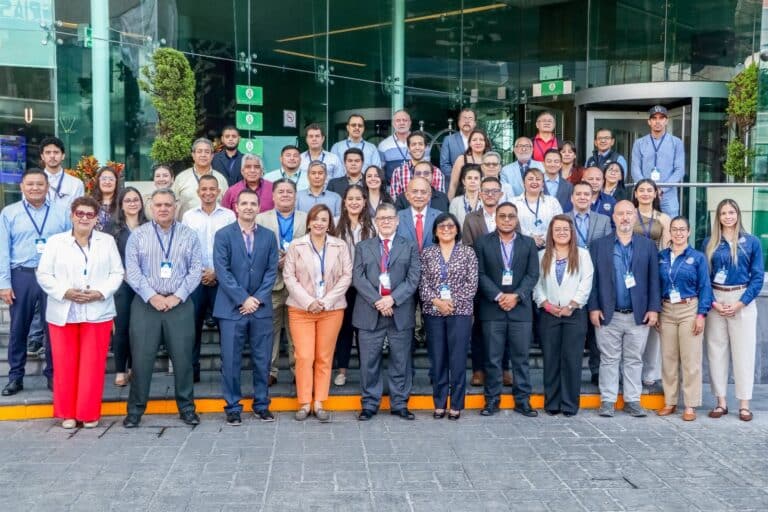
IICA also teamed up with the Belize Poultry Association, the Belize Agricultural Health Authority and the Ministry of Agriculture to implement two training activities entitled “Biosecurity and Disease Prevention in Back-yard Poultry”. The first was held in the north, at Yo Creek Agricultural Station and was attended by local Extension Officers and CEMJC students and the second was at Independence High School, in the south, and attended by Ministry of Agriculture technicians from Toledo, Stann Creek and Cayo and personnel from 4H—Belmopan, George Town Technical High School, Corazon Creek Technical High, ITVet Toledo and students from Independence High School.
At the sessions, technical presentations were made by Barry Palacio from the Ministry of Agriculture, Dr. Joe Myers from the Belize Agricultural Health Authority and Dr. Victor Gongora and Armando Cowo from the Belize Poultry Association.
The topics covered the Ministry of Agriculture programmes being implemented to improve back-yard poultry production in Belize; current national programmes to monitor for and control diseases in back yard poultry; and diseases to expect in a back-yard setting.
The experts described the work to contain and maintain Belize free from avian influenza, back-yard vaccination programmes to control Newcastle disease, common diseases such as fowl pox and infestations such as parasitic worms and went on explain the biosecurity measures required to maintain a healthy and productive back-yard chicken population.