IICA contributes to transforming the cocoa chain in the country by supporting value-adding and marketing, among other areas.
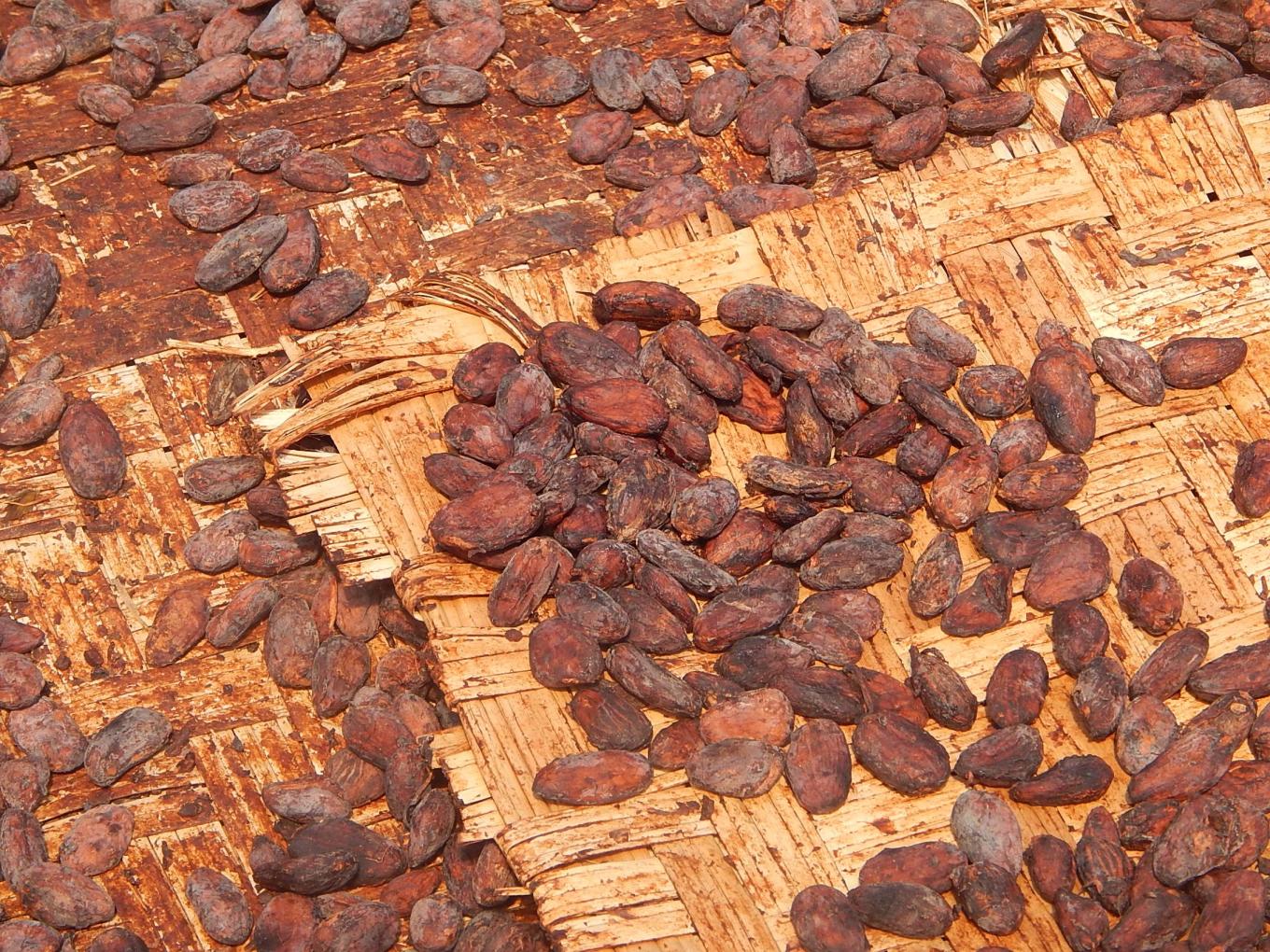
Guatemala City, 29 August 2019 (IICA). Transforming the cocoa chain in Guatemala through research and innovation, in order to add value in the production process and broaden trade opportunities, is one of the priorities of the technical cooperation efforts undertaken by the Inter-American Institute for Cooperation on Agriculture (IICA) in that country.
Through the Regional Agricultural Research Consortia (CRIA) program as well as its hemispheric programs on the Bioeconomy and International Trade, the Institute assists cocoa producers, including women and youth, in strengthening their capabilities in matters related to strategic planning, organizational strengthening and local governance.
Among the beneficiaries of these efforts are 42 families who form part of the Ox’ Eek Santa María Cahabón Association for Comprehensive Development (ADIOESMAC) in northern Guatemala. The association implements a quality-focused production and business model to produce fine and flavor cocoa for a variety of markets.
As part of the Cocoa of Excellence (CoEx) Program, ADIOESMAC submitted an organic cocoa sample that was selected as one of the 50 best cocoa samples in the world. This distinction has earned ADIOESMAC the right to participate in the 2019 edition of the International Cocoa Awards (ICA), which will be held on October 30 at the Chocolate Hall in Paris, France.
CoEx is the entry point for cocoa producers to participate in this global competition, which recognizes their valuable work and celebrates the diversity of cocoa flavors.
“We still can’t believe it. We had to follow an established protocol to prepare our cocoa sample, which would then compete with 223 other samples from 55 countries—the level of competition was high,” stated María Luisa Tiul, leader of the association.
Sebastián Tiul, President of ADIOESMAC, added that “this achievement is the result of more than 12 years of efforts by the members of the association, who continuously strive to improve good practices with respect to cocoa farming and the organization itself.”
He mentioned that this recognition would enable them to strengthen trade relations with their clients in the United States and Germany, to which they export fine and flavor cocoa.
Guatemala has participated in the CoEx competition on three consecutive occasions. This will be the country’s second time attending the ICA Awards, which are held every two years.
In 2017, Guatemala received two awards for the cocoa produced by the Waxaquib Tzikin Association in San Luis Petén, and Finca Kacaou in Río Dulce, Izabal.
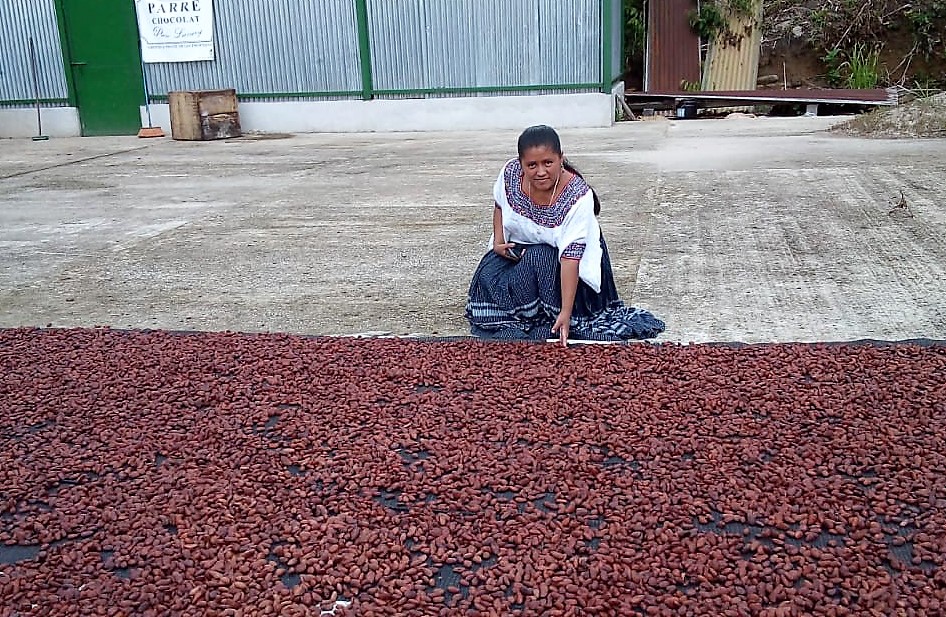
The ADIOESMAC association plays an active role in Guatemala’s cocoa farming sector. It has participated in the strategic planning processes and development of the 2016-2025 National Strategic Plan for the Cocoa Agricultural Chain-ENAC. It is also forms part of the Board of Directors of the Working Group for the Cocoa Agricultural Chain in the Northern Region (GTA-CACAO-NORTE), to which the IICA Delegation in Guatemala provides continuous technical cooperation.
The association’s efforts to secure investments from government support programs and international organizations like IICA have contributed to improving the competitiveness and productivity of cocoa in Santa María Cahabón, which is categorized as cocoa of excellence at the global level.
“Providing technical support to leading associations such as ADIOESMAC, and supporting their efforts to strengthen the standing of Guatemalan cocoa, is very gratifying for IICA,” stated Fernando Conde, Specialist in Chains, Public Policies and Economics at the IICA Delegation in Guatemala.
The specialist revealed that ADIOESMAC’s achievement in the CoEx competition complements the recognition received from the International Cocoa Organization (ICCO), which increased Guatemala’s rating as a cocoa producer. The ICCO included the country in Annex C of the International Cocoa Agreement, which lists the main producers and exporters of fine and flavor cocoa in the world.
More information:
Fernando Conde, Specialist in Chains, Public Policies and Economics at the IICA Delegation in Guatemala.