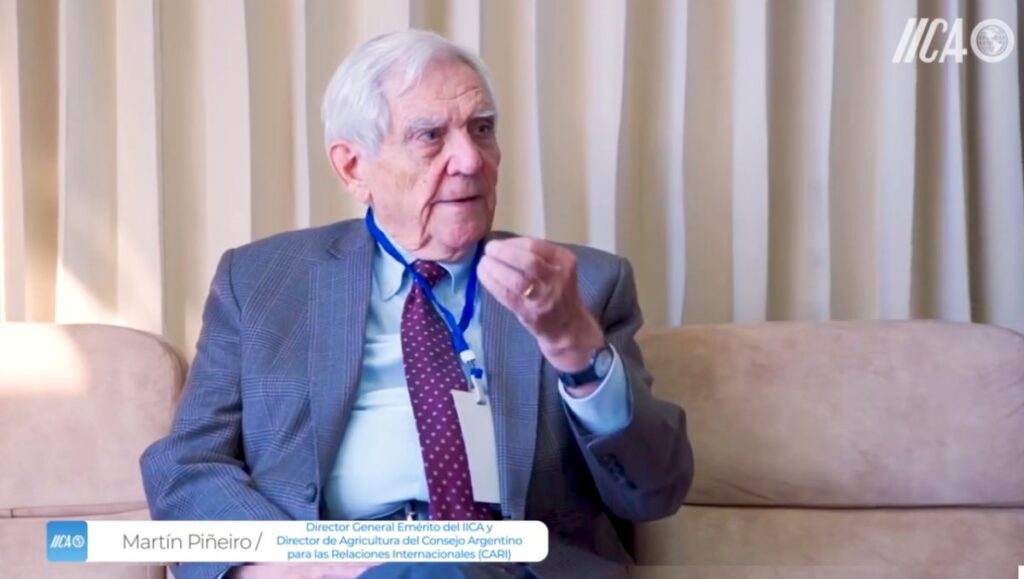
Manuel Otero, Director General of the specialized agency for agriculture, reiterated this commitment, on the occasion of World Food Safety Day, which is celebrated today.
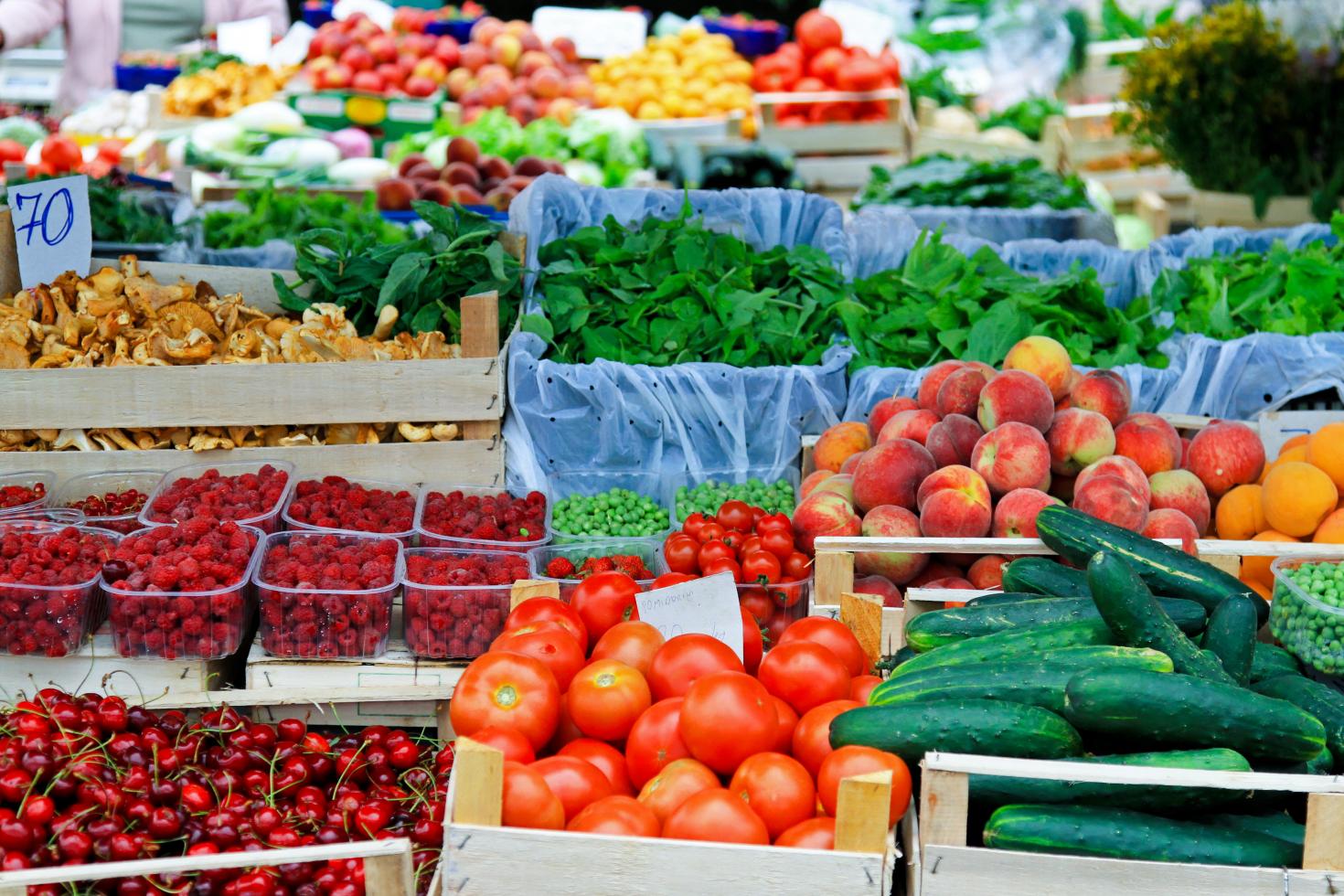
San Jose, 7 June 2019 (IICA). Approximately 600 million people, that is, almost one in every ten people, become ill after eating contaminated food. More than 420,000 die each year from this cause.
The Inter-American Institute for Cooperation on Agriculture (IICA) is committed to assist in reducing these alarming numbers, by promoting production—from farm to table—of food that is safe for human consumption, and to champion public policies and mechanisms that strengthen agricultural health and food safety (AHFS) services in Latin America and the Caribbean (LAC).
Manuel Otero, Director General of IICA, reaffirmed this commitment in recognition of World Food Safety Day, which starting in 2019, will be celebrated on June 7 every year, by proclamation of the United Nations (UN).
Otero maintained that, “All efforts to improve food safety must be based on scientific evidence, creating a balance that does not affect trade. This will require a responsible private sector, in which producers and food processors ensure adequate protection for consumers.”
He went on to say that, “IICA is an ally in the fight to tackle this challenge, using its extensive technical competence for the benefit of the countries of the Americas.”
According to UN and World Health Organization (WHO) data, to date more than 200 foodborne illnesses, caused by 31 contaminating agents such as bacteria, viruses, parasites, toxins and chemical products, have been identified, which has serious implications for the health, production and trade sectors and significantly affects the economies of countries.
“Foodborne illnesses hinder people’s productivity and pose a risk to their lives and work. They also place a burden on the social security system and reduce the production capacity of the entire society. We live in a world that is divided between those who have access to safe products and those who are unaware of the benefits of safety. We need to develop consumers who are more aware of what they eat and who are better informed,” said Otero.
International estimates indicate that losses in productivity in low- and middle-income economies as a result of unsafe food can be calculated at approximately USD 95,000 annually.
IICA’s contribution
To change this situation in LAC, in 2018 alone, the specialized agency for agriculture and rural development in the hemisphere, engaged in capacity-building cooperation actions for more than 1000 actors, 140 institutions and 34 countries in the area of agricultural health and food safety risk management.
It also played a role in improving AHFS systems in Chile, Colombia, Ecuador, Peru and Mexico, as well as in Caribbean countries such as Jamaica, the Dominican Republic, and Trinidad and Tobago.
The Institute facilitated the training of more than 300 professionals, 24 food companies and 888 producers on the United States Food Safety Modernization Act (FSMA).
IICA also provided extensive support to its Member States to enable them to participate in and take advantage of the benefits of Codex Alimentarius, in terms of strengthening national and regional regulations and technical capacities.
Another noteworthy action, among the various initiatives that were developed, was the launch of the online version of the Performance, Vision and Strategy (PVS) tool, which allows National Plant Protection Services to gauge their performance and to identify areas for improvement.
More information:
Robert Ahern, Head of IICA’s Agricultural Health, Safety and Food Quality Program