IICA is conducting workshops in six Caribbean countries to boost composting as an economically viable and sustainable business.
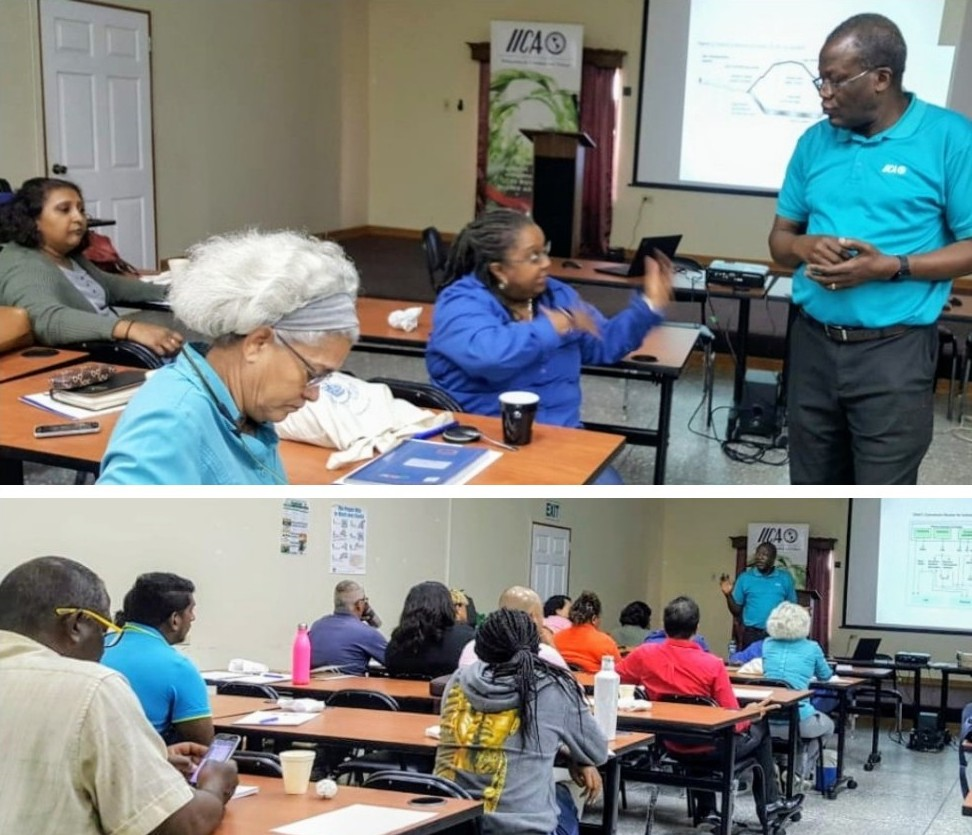
Longdenville, Trinidad and Tobago. January 30, 2020 (IICA). The Inter-American Institute for Cooperation on Agriculture (IICA) opened the first of two workshops on “Examining Economic Opportunities from Managing Organic Waste” at the Sugar Cane Feeds Centre (SFC) in Longdenville. From the round of introductions of the 30 participants, it was clear that bio-waste management cannot be associated or led only by the agriculture sector, but must be a collaborative and integrated effort with public health, environment, manufacturing and food service industries.
The participants comprised a mixed representation from the Ministry of Agriculture Land and Fisheries (MALF), farmer organisations, environmental authorities and research institutions, including UWI, pioneers in organic production systems and composting, firms whose core business is environmental and waste management, and individuals who have a deep interest in expanding knowledge and capacity in bioeconomy business opportunities.
Of note, was the statement by a National School Feeding Programme official, of the significant volume of food (organic) waste generated daily, that typically ends up in landfills, which could instead be used as a readily available source of raw materials for viable bio-waste management businesses. Another readily available source of bio-waste raw material identified by GNF Solutions, a local waste management company, was the seven million cubic metres of grass generated monthly by the Community-Based Environmental Protection Enhancement (CEPEP), which also typically ends up in the landfills, exacerbating an already dangerous fire hazard situation.
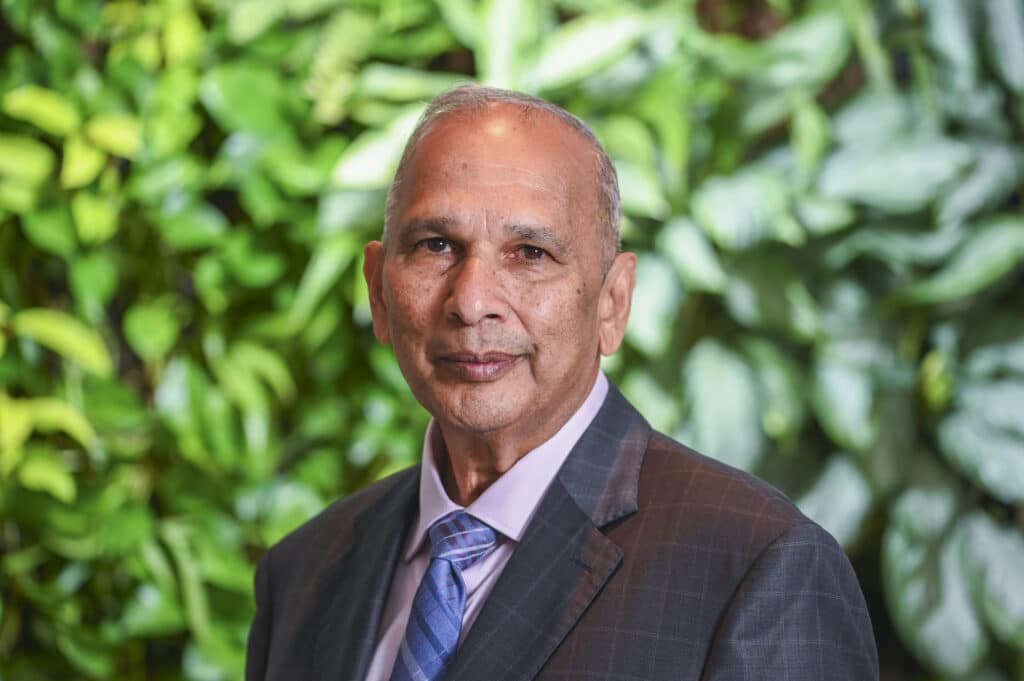
“During the introductions, I could sense the wheels of networking clicking in your minds, which is important to making connections for building successful integrated bioeconomy businesses and industries for sustainability”, said Abimbola Abiola, IICA’s Environmental Remediation and Reclamation Technical Specialist, based in the Institute’s headquarters in Costa Rica and workshop facilitator.
An important connection was the presence of the High Commission of India, represented by Lingo Chetty, Second Secretary (Pol) and Head of Chancery, who recognised May 2020 as marking a 175-year connection between India and Trinidad and Tobago, “rooted in agriculture, a sector in which India has achieved significant advances in sustainable approaches and technologies”. He reiterated India’s commitment to sharing its expertise to support capacity building for sustainable agriculture in Trinidad and Tobago and encouraged stakeholders to get connected with the High Commission to take advantage of these opportunities.
From this first workshop, which focussed on composting, participants will be grouped by location or specific biowaste material to conduct a practical waste treatment project, aided by guidelines to formulate compost recipes for important organic wastes and specialised equipment, including digital thermometers. In keeping within the theme of reducing waste and recycling, IICA in Trinidad and Tobago did not print training resource materials and used recyclable materials for food and water catering.
A follow-up workshop is scheduled for April. Overall, an important outcome expected from this initiative will be the strengthening of partnerships between different organisations that need to be involved in organic waste management, particularly those who will be the suppliers of raw material needed to drive viable bioeconomy business opportunities.
For farmers and rural households across the Caribbean, composting is not a new practice or technology. However, through this project for the Caribbean spearheaded by the IICA Director General, Manuel Otero, IICA seeks to ensure that this tradition can be converted into economically viable and sustainable businesses, within the broader context of bio-waste management. This is particularly critical in a region as susceptible as the Caribbean. Trinidad and Tobago is among six Caribbean countries where this initiative is being facilitated.
More information:
Richard Rampersaud, Agribusiness and Value Chain Specialist at
Richard.Rampersaud@iica.int