
San José, 30 April 2026 (IICA). The Inter-American Institute for Cooperation on Agriculture (IICA) presented the fifth edition of Digital Agriculture Week (DAW), the region’s leading platform for advancing the digital transformation of agrifood systems in the Americas, and opened the call for AgTech startups interested in participating in the event, which will take place from September 7 to 10 in Costa Rica.
The call for AgTech startups will remain open until June 15. Eligible applicants include startups originating in countries of the Americas with digital solutions at technology readiness level (TRL) 6 or higher.
To apply, interested parties must complete the registration form available at www.semanaad.iica.int. A specialized jury convened by IICA will select 15 winning startups, which will participate in the fifth edition of DAW with all expenses covered.
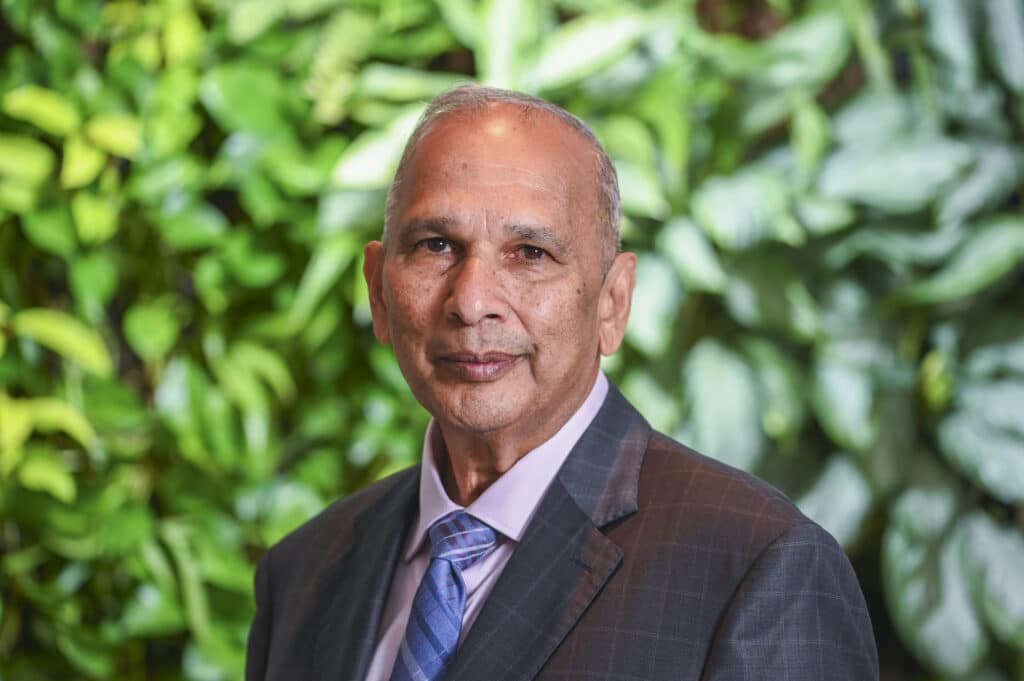
At the launch of DAW 2026, IICA Director General Muhammad Ibrahim highlighted that the transformation of agrifood systems in the Americas depends on the decisive adoption of science, technology, and innovation, and reaffirmed the Institute’s commitment to promoting responsible digitalization.
“We are living at a decisive moment for our agrifood systems. We are convinced that science, technology, and innovation are not an option, but the sure path to successfully addressing the enormous challenges of our time. In this context, digital technologies and artificial intelligence play a central role as tools that enable us to increase productivity, protect our natural resources, strengthen resilience, generate more opportunities, and improve quality of life in our rural communities,” said Ibrahim.
Marco Llinás, Director of the Productive and Business Development Division at ECLAC, agreed that the digitalization of agriculture is a key enabler of productive development, and warned that despite the growth of solutions in the region, gaps in connectivity and adoption persist. He emphasized the need to align public policies, investment, and capacity-building to achieve a sustainable digital transformation in the sector.
“That is why spaces such as DAW are so relevant; they help connect innovation with territorial needs and align technology, public policies, financing, and institutional capacities,” he said.
Diego Arias, Agriculture and Food Practice Manager for Latin America and the Caribbean at the World Bank, stressed that the institution is working with IICA on actions to improve rural connectivity and reduce gaps in access to and adoption of technology.
“This year is of particular interest for the Bank to discuss some of the key issues in the development of digital agriculture in the region. Digital technologies can address systemic risks in agriculture, transaction costs, and information asymmetries between farmers and the entities that work with and finance agriculture,” he said.
Federico Garat, Institutional Affairs Lead for the Southern Cone at Bayer Crop Science, emphasized that digitalization is key to deepening the sustainability of production systems, underscoring the relevance of DAW.
“We hope that this connection platform continues to grow and provide opportunities for multiple stakeholders in Latin American agriculture, strengthening collaboration to accelerate digitalization and overcome access barriers in the region,” he said.
In the same vein, Rosa Gallardo, Director of the International Chair on Artificial Intelligence and Agriculture at the University of Córdoba, argued that digital transformation is a necessary condition for achieving more sustainable, competitive, and inclusive agrifood systems, but must be centered on people, not just technology.
“That transformation must not focus solely on technology, but on the people who live and work in rural areas—their capacities, data, decisions, needs, and rights. We know that agriculture cannot be left behind in the digital transformation, but transformation cannot take place without people, without training professionals, without dialogue with the sector, and without making AI and digital tools serve the common good,” she said.
Jossette Hernández, Program and Project Officer at Fundación CRUSA, stated that the digital transformation of agriculture should not come from a single institution or public policy, but from “people and teams willing to propose new ideas and be creative.”
“We see the role of entrepreneurs as central because they translate technology into practical applications in the field. DAW is a temporary ecosystem activated among startups and financiers that connects technology with the market, and this type of connection is what we aim to catalyze from CRUSA,” she added.
The 2026 edition will feature expanded spaces for debate and exchange on how to accelerate the adoption of digital solutions, especially among medium- and small-scale producers. While the region has seen significant growth in technological offerings—with more than 2,500 solutions identified—adoption levels remain low, with farmers estimated to use less than 5 percent of available tools.
In line with this, one of the main changes in this edition is the increased participation of policymakers and farmer organizations, as well as the opening to startups from other technological verticals such as biotech and foodtech, broadening the scope of the event.
A renewed edition of DAW
In this edition of Digital Agriculture Week, priority will be given to startups with solutions aimed at increasing productivity and competitiveness, improving natural resource management and farmers’ resilience; shortening and enhancing transparency in value chains; facilitating technical assistance and rural extension; and strengthening risk management, as well as food safety and quality. Particular value will be placed on solutions that incorporate artificial intelligence in a concrete and demonstrable way, and biotechnology-based solutions will also be considered.
Selected AgTech startups will have the opportunity to present their solutions at DAW to key actors in the agrifood ecosystem, hold meetings with investment funds, and build strategic partnerships.
The regional meeting will focus on four main pillars: showcasing cutting-edge digital innovations, actions to accelerate technology adoption, the digitalization of technical assistance and rural extension, and policy design to promote digitalization in countries.
Sessions will be held on digital technologies applied to agricultural research and development, along with multiple dialogue spaces aimed at strengthening innovation ecosystems.
DAW 2026 will bring together public and private stakeholders involved in the development and adoption of digital technologies, including startups, incubators, accelerators, investment funds, agricultural research institutes, multilateral organizations, academia, policymakers, among others.
It is organized by IICA with the support of strategic partners such as the Economic Commission for Latin America and the Caribbean (ECLAC), the World Bank, Bayer, the University of Córdoba (Spain), and Fundación CRUSA, as well as the support of more than 20 partner entities.

More information:
Federico Bert, Manager of IICA’s Digitalization of Agrifood Systems Program.
federico.bert@iica.int