The proposal is in response to a request by the country’s Executive Commission for Cow’s Milk (CEBL – Spanish acronym), which is seeking to strengthen the institutional framework and governance of the sector.
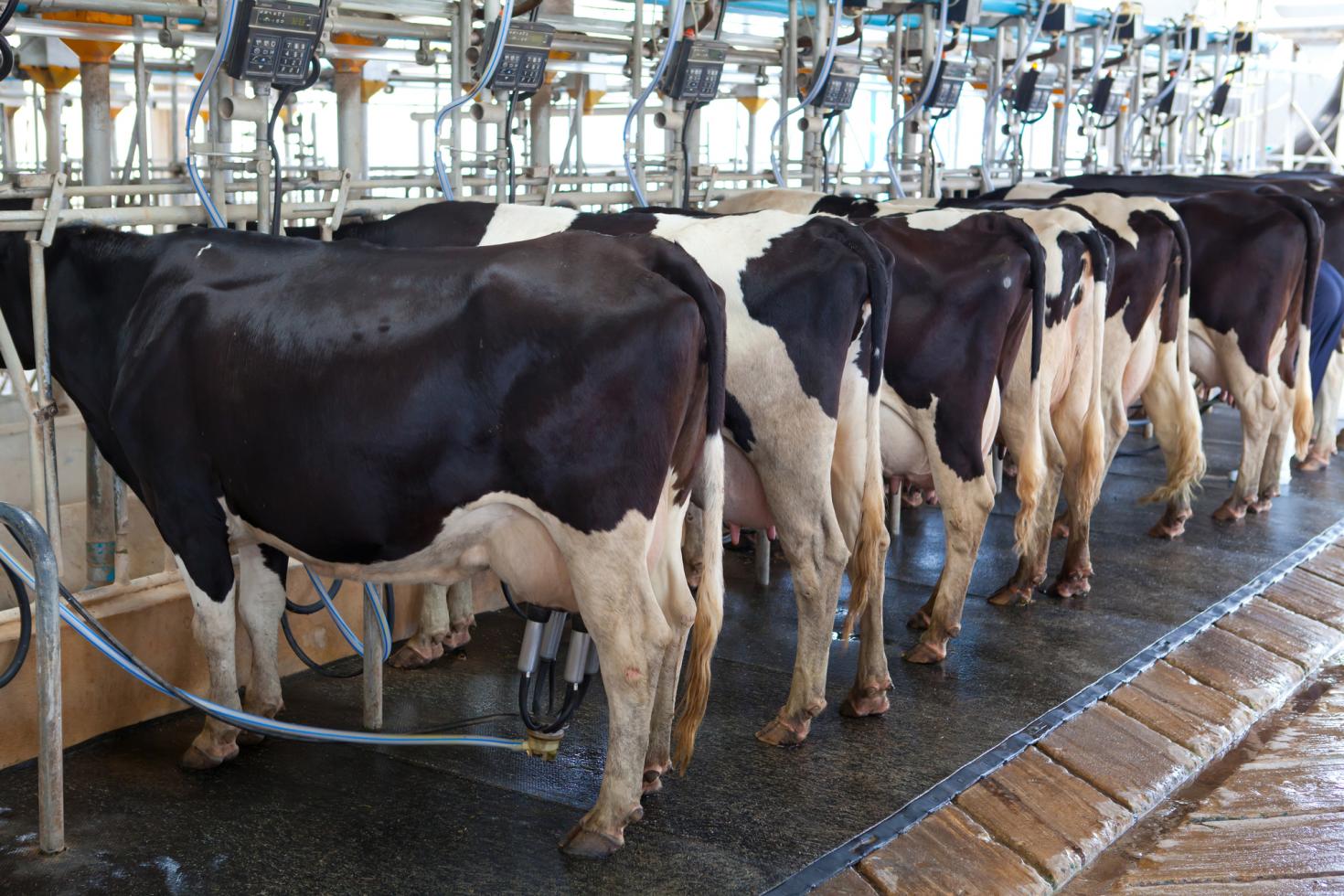
Mexico City, 15 July 2019 (IICA). The Inter-American Institute for Cooperation on Agriculture (IICA) presented a proposal in Mexico to strengthen the institutional framework and governance of the cow’s milk chain, in a bid to increase its competitiveness and sustainability.
Mexico’s Executive Commission for Cow’s Milk (CEBL), which represents producers, industrialists, suppliers and other sector actors, had asked IICA for its support in developing a strategy that would assist in strengthening activities in the milk sector.
The Institute prepared a study based on interviews with key actors in the industry and on four participatory workshops in Veracruz, Guadalajara, Torreón and Mexico City, as part of a national consultation process.
These activities made it clear that there was a need to develop a shared vision on how to revamp the institutional structure and governance of the cow’s milk chain, with the corresponding representation.
José Ayala, Project Manager in IICA Mexico, explained that, “The aim is to influence the direction and viability of public policies – the link between public, private and social institutions and economic development – so that they can enhance the competitiveness and sustainability of chain actors, while maintaining transparency and accountability.
Ayala indicated that the proposal established strategic objectives to revamp the sector’s institutional structure, most notable of which are to increase milk production to ensure Mexico’s food security and self-sufficiency, to address the inadequate per capita consumption of cow’s milk; and to boost the income of primary producers, thereby helping to reduce poverty in rural areas.
The implementation of IICA’s proposal will enable systemic integration within the chain in a sustainable, competitive and inclusive way, while enhancing the capacity for public, private and social sector dialogue through the development of joint agendas, and increasing the level and efficient distribution of value added by improving the production, quality and consumption of milk in Mexico.
IICA’s proposal also seeks to increase chain actors’ access to extension services, technical assistance, innovation and technology transfer, as well as to specialized information and market intelligence.
The aim is also to enable a great level of input in the formulation and alignment of public policies with programs that support production.
CEBL members are now analyzing the proposal to prioritize actions and the next steps to be taken.
More information:
José Ayala, Project Manager, IICA Mexico.