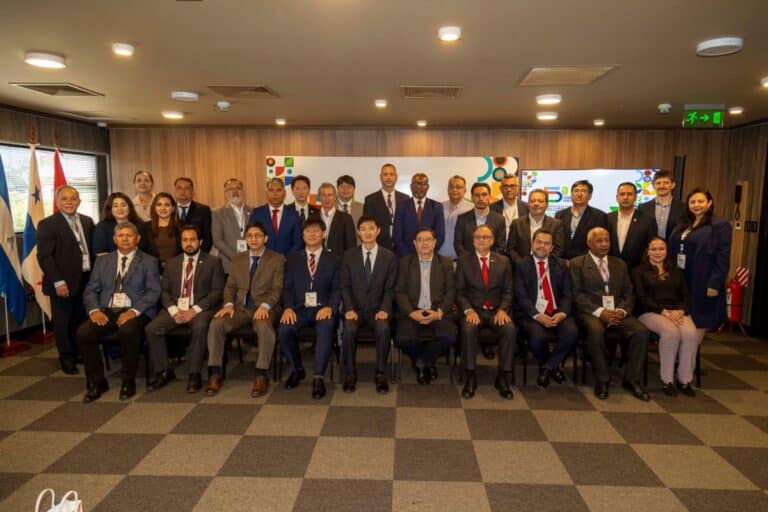
San Salvador, 9 September 2025 (IICA) – During a visit to El Salvador, Leaders of Rurality of the Americas engaged in dialogue with youth and small-scale farmers, sharing their innovations and best practices for strengthening food production in a context of limited natural resources.
Organized by the Inter-American Institute for Cooperation on Agriculture (IICA), the visit allowed for establishing partnerships and learning from successful cases, with the aim of improving the resilience of agricultural production in a highly vulnerable region such as the Central American Dry Corridor.
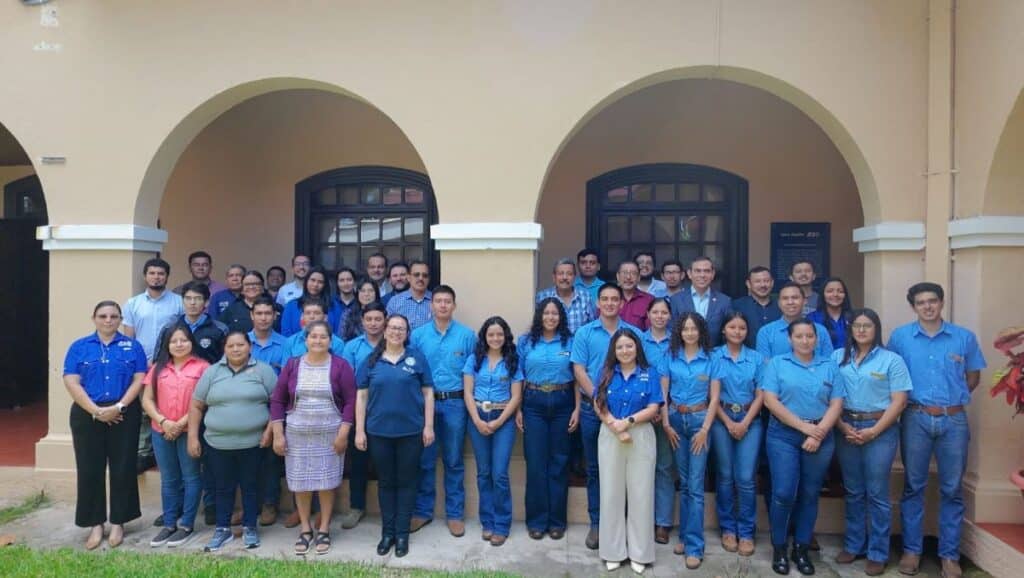
The leaders who participated in the meeting were Macarena Valdés and Marco Aceituno from Chile; Elvia Monzón, Gustavo Rivas and Erick Ac from Guatemala; Katy Moncada and Eodora Méndez from Honduras; and Odette Varela and Salomón Zelada from El Salvador.
IICA has awarded each of them the “Soul of Rurality” award, which is part of an initiative by the specialized agency for agricultural and rural development to turn the spotlight on men and women who are leaving a mark and making a difference in the rural areas of the Americas – a region that is critical to the planet’s food and nutritional security and its environmental sustainability.
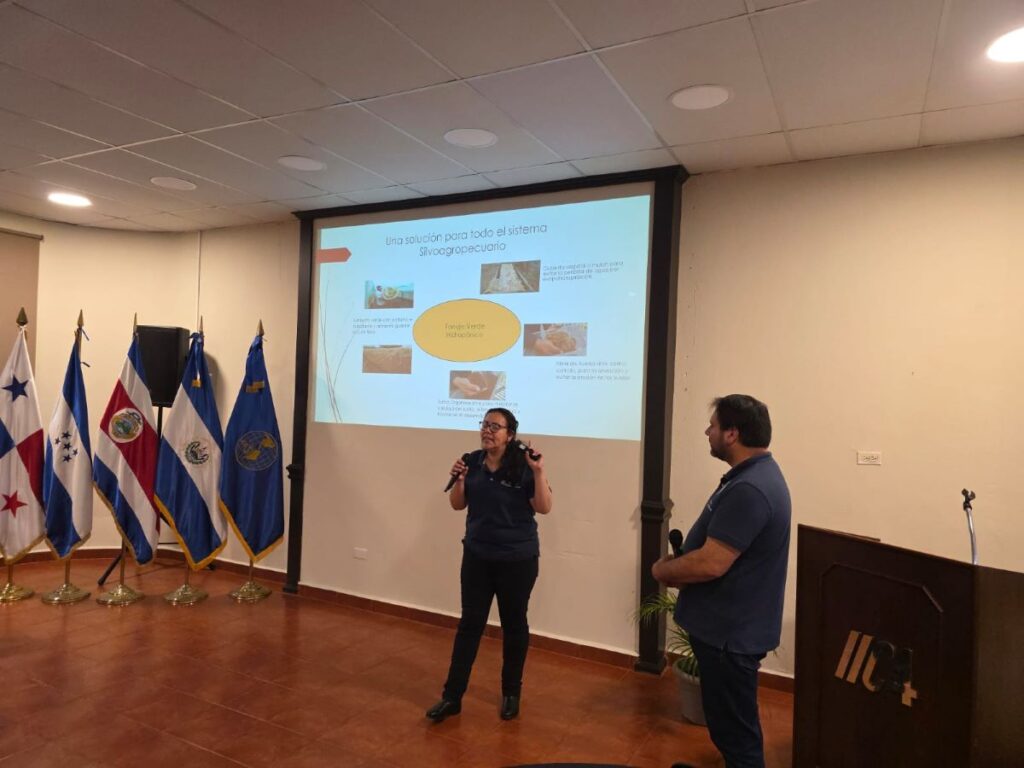
Together with IICA technical specialists—including some who have been involved in programs that have achieved concrete results, such as Agro-Innova—producers and specialists, the visitors took part in a Regional Dialogue on Innovations for Climate Adaptation by Small-Scale Producers in the Central American Dry Corridor, held at the IICA Delegation in El Salvador.
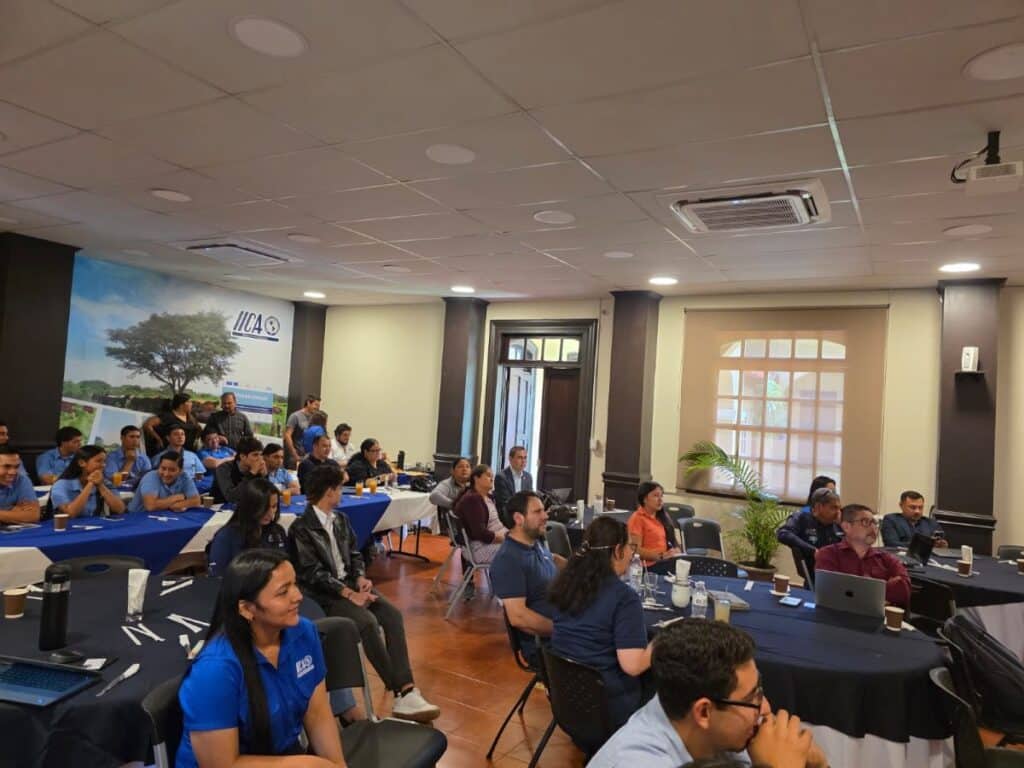
The topics discussed included resilient livestock farming, agroforestry, productive innovation and adaptation measures in the case of droughts, floods and other extreme weather events.
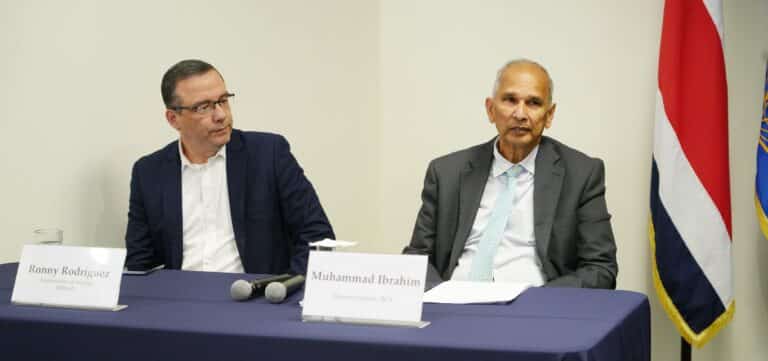
“The goal was to disseminate knowledge and jointly explore simple avenues for innovation in agriculture that can yield valuable results for small-scale producers. Sometimes, even with limited resources, it is possible to change people’s lives”, explained Erick Quirós, IICA Representative in El Salvador and Coordinator for the Central Region.
“The limitations that exist in the Central American Dry Corridor in terms of access to land or water can be overcome through innovations aimed at fostering sustainable production, generating added value and encouraging active participation by youth”, he added.
The Central American Dry Corridor stretches from southern Mexico to Panama, along the Pacific coast. Most of the family farming that produces staple foods for Central American countries is carried out in this region. Extreme weather events, particularly droughts, represent a threat for productive activities and food security in these communities.
IICA has implemented numerous projects in that region to improve productivity, such as the RECETO Program (cabbage, onion and tomato), which, thanks to the use of high-tech greenhouses, has allowed for increasing vegetable production within the framework of the Project to Promote Agricultural Reactivation and Production for Food Security and Sovereignty in El Salvador.
Ingenuity to overcome problems
“Ingenuity can sometimes make up for a lack of budget and help to solve problems”, said Odette Varela, Director General of El Salvador’s National School of Agriculture (ENA), a state-run higher education technological institute created in 1956 with the aim of delivering training to agricultural professionals in El Salvador. Its priority is to provide opportunities for young people from low-income families all over the country who are interested in agriculture.
In 2024, IICA recognized Varela, an agro-industrial engineer with a rich academic and professional background, as a Leader of Rurality of the Americas. She was one of the promoters of the activities carried out this week in the Salvadoran capital.
She explained that the idea arose in April, when El Salvador’s National Center for Agricultural and Forestry Technology (CENTA) invited Chilean leaders Macarena Valdés and Marco Aceituno to participate in a meeting of the Central American Cooperative Program for Crop and Animal Improvement (PCCMCA), alongside about 150 scientists from various countries.
“Marco and Macarena closed the conference and left the scientists speechless when they shared how they use resources and implement a circular economy on their organic farm La Pachamama in Chile, where they faced a 12-year drought. That’s why we wanted to delve deeper into the topic of combining empirical and technical aspects. The technical aspect is based on scientific knowledge and is sometimes detached from everyday work in the field and communities. So that combination is necessary”, explained Varela.
Erick Ac, a Guatemalan expert in cocoa production, noted that the workshop had allowed for discussing ways to strengthen production systems and adapt to the impact of climate phenomena. “In cocoa production, we have implemented practices such as rainwater harvesting and rainfed irrigation, which were not necessary before. We have identified the issues that have arisen, always seeking solutions through innovation”, he said.
More information:
Institutional Communication Division.
comunicacion.institucional@iica.int