A total of 516,753 kilos of agricultural and fisheries products, valuing 1,301,317 dollars, were sold by the island nation to thirteen countries in January, according to data disseminated by the Ministry of Agriculture, Forestry, Fisheries, Rural Transformation, Industry and Labor.
San Jose, 16 February 2022 (IICA). Food exports from Saint Vincent and the Grenadine increased during the first month of 2022, signaling an evident recovery in the agriculture sector of this Caribbean country, following the severe impact of the La Soufriére volcano eruptions in 2021.
A total of 516,753 kilos of agricultural and fisheries products, valuing 1,301,317 dollars, were sold by the island nation to thirteen countries in January, according to data disseminated by the Ministry of Agriculture, Forestry, Fisheries, Rural Transformation, Industry and Labor. The Ministry is headed by Saboto Caesar.
An interannual comparison to January 2021 reveals that there has been a 5% increase in the quantity of exported products and a 38% increase in the value.
It began with the first large eruption of La Soufriére on 9 April 2021; and Saint Vincent and the Grenadines has experienced 32 other eruptions thereafter.
The natural disaster forced the evacuation of some 30,000 people from their homes, most of them farmers, given that the majority of the land adjoining the volcano is used for agricultural production.
Many farmers lost crops due to the ashfall on their land, compelling the government to declare a food security emergency. The State gave economic assistance to small farmers and hired tractors to plow the land to enable crops to be sown again.
The country received the support and solidarity of organizations and governments from the Americas and other parts of the world. Among them, Minister Caesar recognized the importance of the support of the Inter-American Institute for Cooperation on Agriculture (IICA) to rapidly revive production and guarantee food security.
Agriculture in Saint Vincent and the Grenadines is largely in the hands of small, family farmers. Caesar indicated that the country has approximately 8,000 and 1,500 registered farmers and fisherfolk, respectively.
The United States was the main destination for the country’s exports in 2022, which represented a value of more than 300,000 dollars. Trinidad and Tobago and Barbados followed in second and third place. The other ten export destinations were Anguilla, Bouvet Island, the British Virgin Islands, Canada, France, Great Britain, Grenada, Saint Kitts and Nevis, Saint Lucia and Saint Martin.
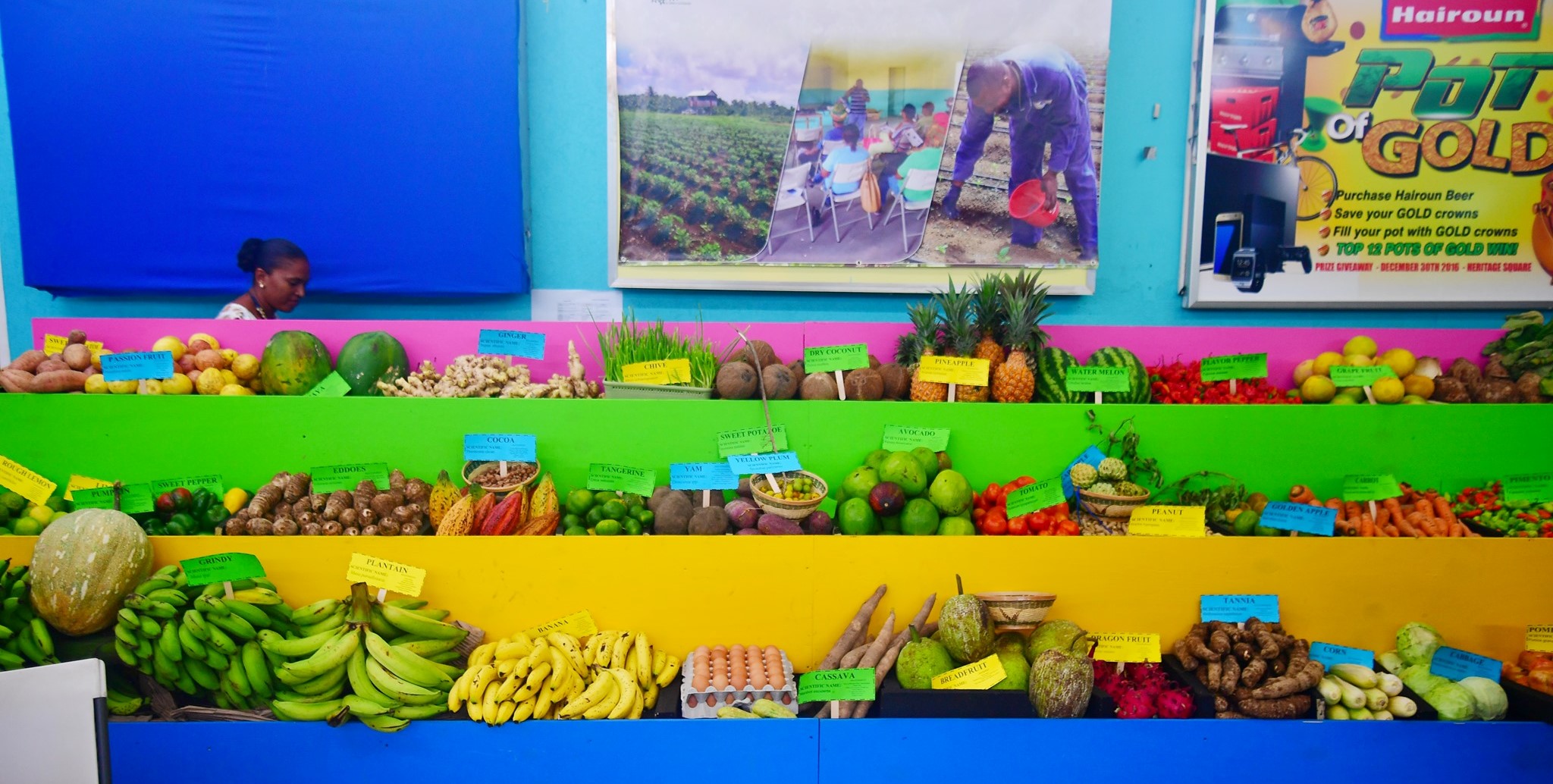
In total, there were 42 types of exported agricultural and fisheries products, including tubers, vegetables, fruit, spices and lobster.
More information:
Institutional Communication Division.
comunicacion.institucional@iica.int