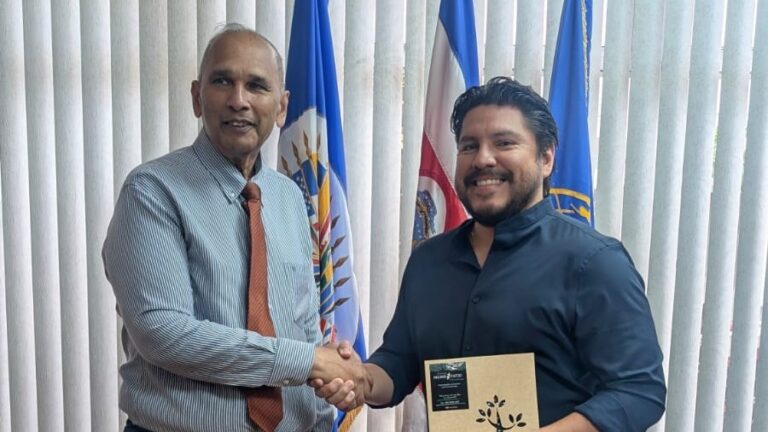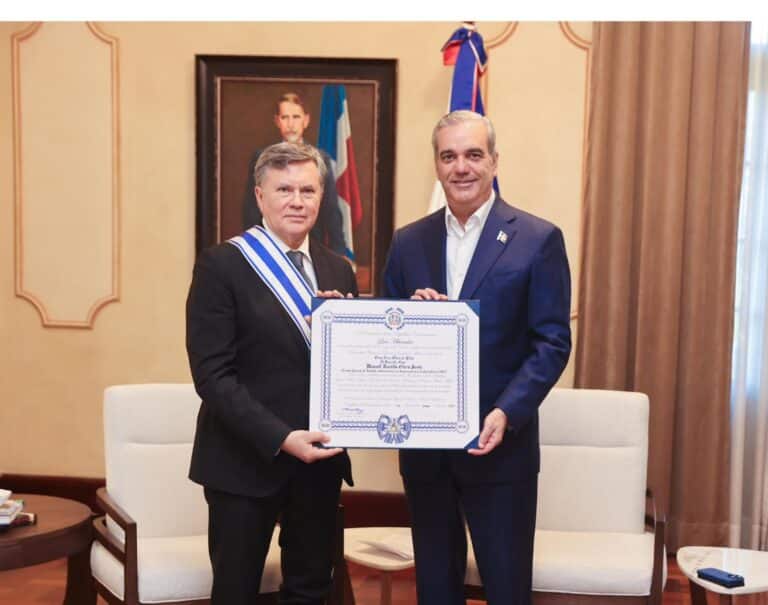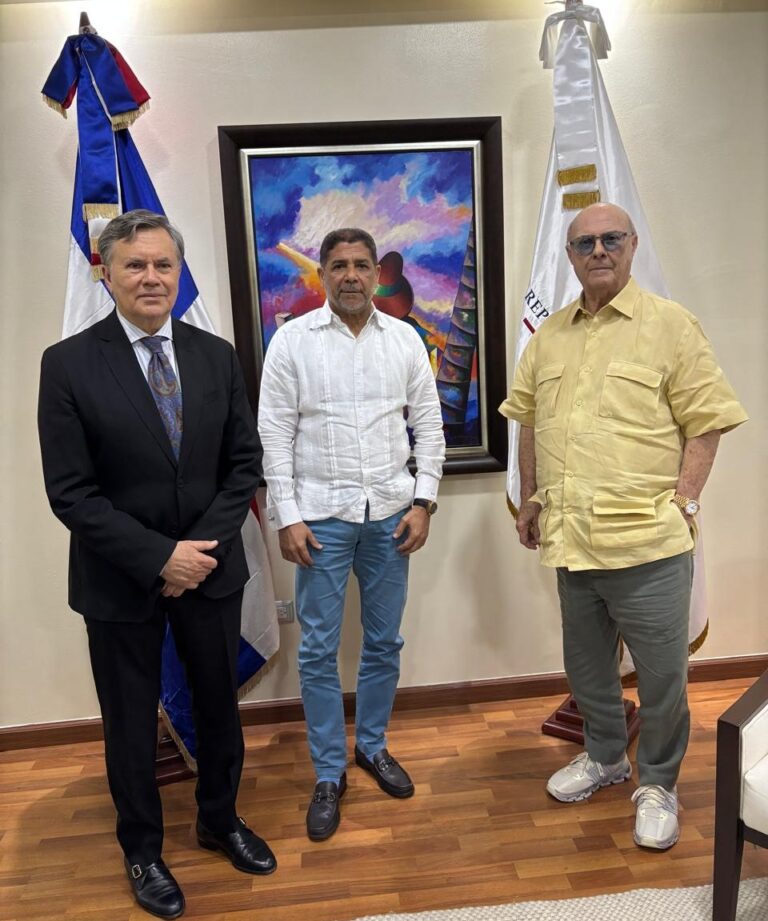
The meeting was attended by delegates from Panama, Guatemala, El Salvador, Honduras, the Dominican Republic and Costa Rica

 Santo Domingo, Rep. Dom., November 2018 (IICA). From November 27 to 29, the Dominican Republic hosted the second meeting of officials from the public sector of countries of Central America and the Dominican Republic that impact on food safety within the framework of the project to support the Central American Customs Union process with the accompaniment of IICA and USDA / FAS.
The meeting was attended by delegates from Panama, Guatemala, El Salvador, Honduras, the Dominican Republic and Costa Rica, which exhausted an integrated work agenda among the countries. The officials had the opportunity to exchange experiences and present the challenges they have faced in the implementation of the new Central American technical regulation (RTCA) in food microbiology, the experience in Online Registration Systems of the Ministry of Health of Guatemala and the new authority of AUSPA of Panama.
Under the moderation of Dr. Fernando Sampedro, professor at the University of Minnesota, the participants continued working on the implementation of the Risk-Based Inspection System for the dairy and fruit and vegetable chain.
Similarly, Dr. Marcos Sánchez, a professor at Texas Tech University, accompanied the officials in the construction of the FSMA compliance roadmap where the officials identified the country strategies with which they prepared to meet the requirements of the law for products that will be exported to the United States.
Delegates from OASA / USDA and NOAA presented the aspects related to the new export certificate and the monitoring program for the importation of fishery products.
This event strengthens the competencies of the officials and also supports the homogenization of regulations and requirements for the member countries as well as it served as an ideal scenario to promote the work of technical cooperation among the countries.
More information: Gaudy Suzaña, Specialist in Agricultural Health and Food Safety, gaudy.suzana@iica.int