39 persons from the public, private, and academic sectors in five Caribbean countries will be able to disseminate knowledge in their countries that will improve their capacity to export fresh produce to the United States.
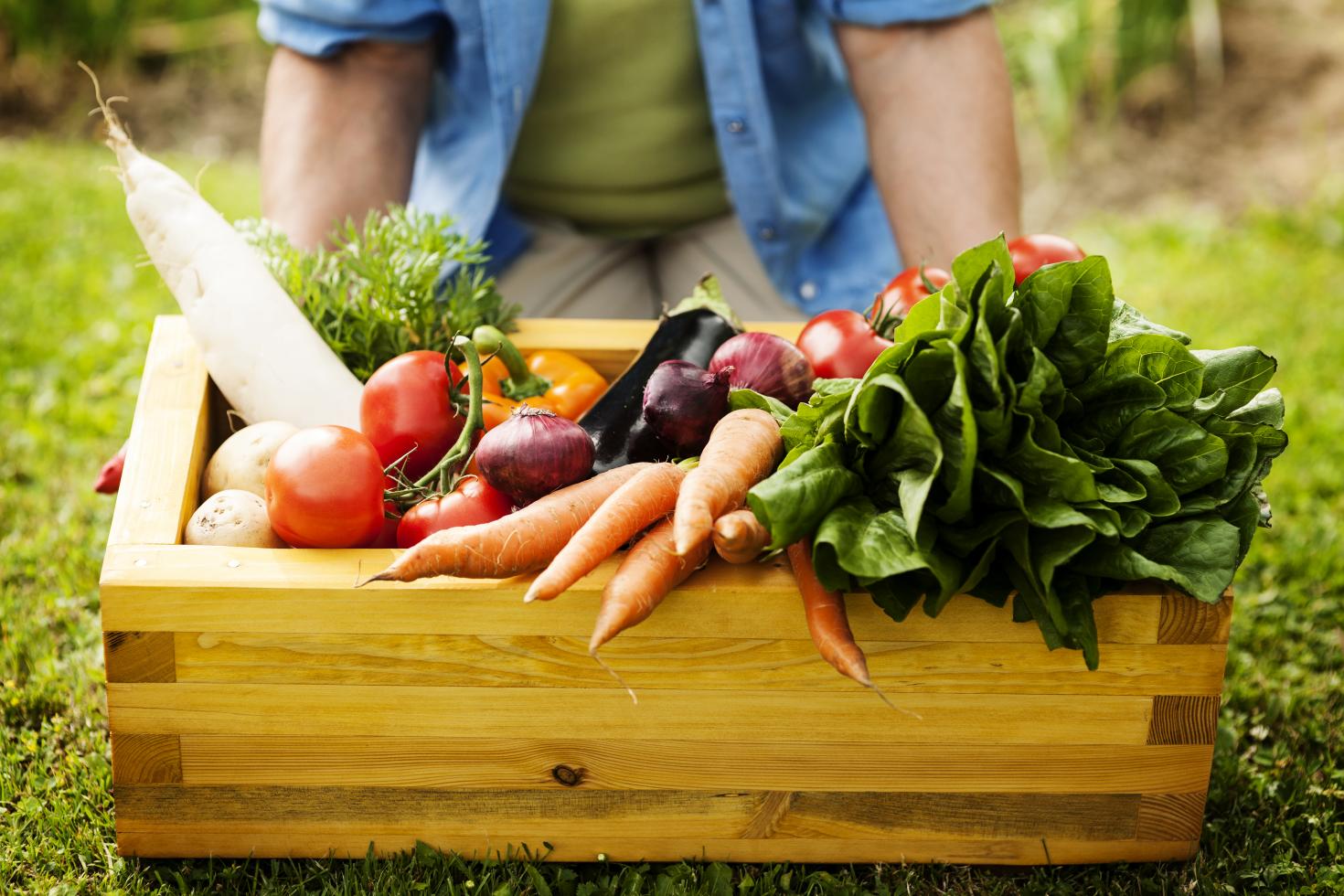
Jamaica, 2 October 2017 (IICA). What are the new requirements for exporting fresh produce to the United States? What changes must exporters of fresh vegetable and fruit make to ship their products to the United States?
These were the main questions that 39 representatives from Caribbean countries addressed in Jamaica during a training workshop held by the Inter-American Institute for Cooperation on Agriculture (IICA), the United States Agency for International Development (USAID), the Foreign Agricultural Service of the United States Department of Agriculture (USDA- FAS), and the Joint Institute for Food Safety and Applied Nutrition (JIFSAN).
The activity was held to inform and train the participants on the requirements and most recent changes to the produce safety rule within the framework of the Food Safety Modernization Act (FSMA) of the United States.
The Institute organized a sub-regional workshop in which twenty-four representatives from Jamaica, ten from Trinidad and Tobago, three from Barbados, one from Saint Vincent and one from Dominica participated. At the end of the training workshop, the professionals pledged to disseminate their knowledge to producers and exporters in their countries in order to strengthen their capacities in light of the changes that the new rules require.
“In the Americas, there is a strong culture of exporting fresh agricultural products to the United States, hence the interest in supporting the training of agricultural exporters in the countries to comply with this rule,” stated Ana Marisa Cordero, IICA Specialist in Agricultural Health and Food Safety.
The Food Safety Modernization Act
The FSMA includes seven different rules that protect the health of consumers in the United States. In 2016, IICA, the USDA-FAS, and USAID launched a plan to strengthen capacities to address changes in the rules under this law.
During the first half of 2017, the Food Safety Agricultural Sustainability Training (FAST) program trained 208 lead instructors in preventive controls for human foods. At that time, it was agreed that the same would be done for the standards on fresh products.
Another workshop will be held in the Dominican Republic, and more training workshops will be carried out in Guatemala, Peru, Nicaragua, Honduras, and Colombia in the upcoming months.
More information:
Ana Marisa Cordero, IICA Specialist in Agricultural Health and Food Safety.