The average consumption of cacao in Canada amounts to 6.4 kilos per person each year, making the country as the ninth largest consumer of chocolate in the world.
San Jose, 19 April, 2017 (IICA). Canadian businesses and Peruvian producers held a business meeting aimed at improving opportunities for investment, trade, and development in the cacao sector of this Andean country.
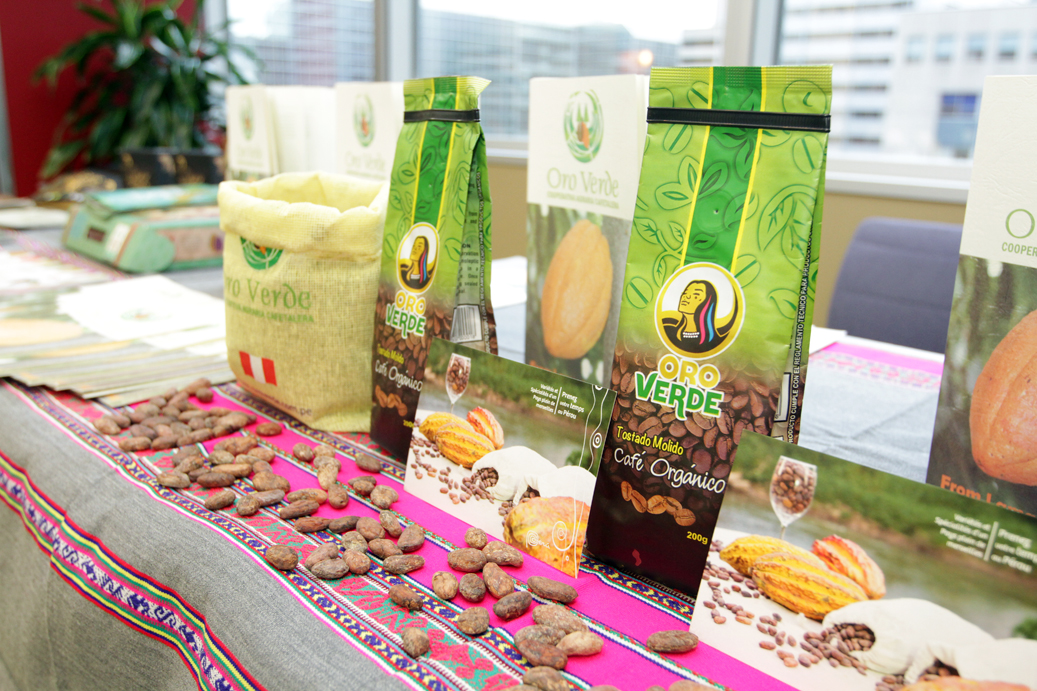
The event entitled “Cacao production in the Americas, a rewarding path toward trade and development” was possible thanks to the support of the Inter-American Institute for Cooperation on Agriculture (IICA), through its Delegation in Canada and the Embassy of Peru in this North American country.
Canada is one of the largest consumers of chocolate. The average consumption per person is 6.4 kilos each year, one more kilo than the United States, which represents about 160 chocolate bars per person each year. These figures make Canada the ninth largest consumer of chocolate in the world.
Peruvian cacao is known internationally as one of the world’s finest. Having won multiple international awards, Peru is one of the most important cacao-producing countries and is home to 60% of the total cacao varieties in the world.
Currently, Peruvian cacao is in high demand from some of the most exclusive chocolate-manufacturers in Canada, Switzerland, Belgium and France. In addition, according to the International Cocoa Organization (ICCO), Peru is one of the few countries where high-quality cacao, with its excellent flavor and aroma, is produced and exported.
During the event, which brought together more than 70 participants, a delegation of six Peruvian businesses and cooperatives showcased their products and shared their outlooks on trade and investment. Additionally, the role of cacao production and processing as a means of livelihood in rural communities was addressed.
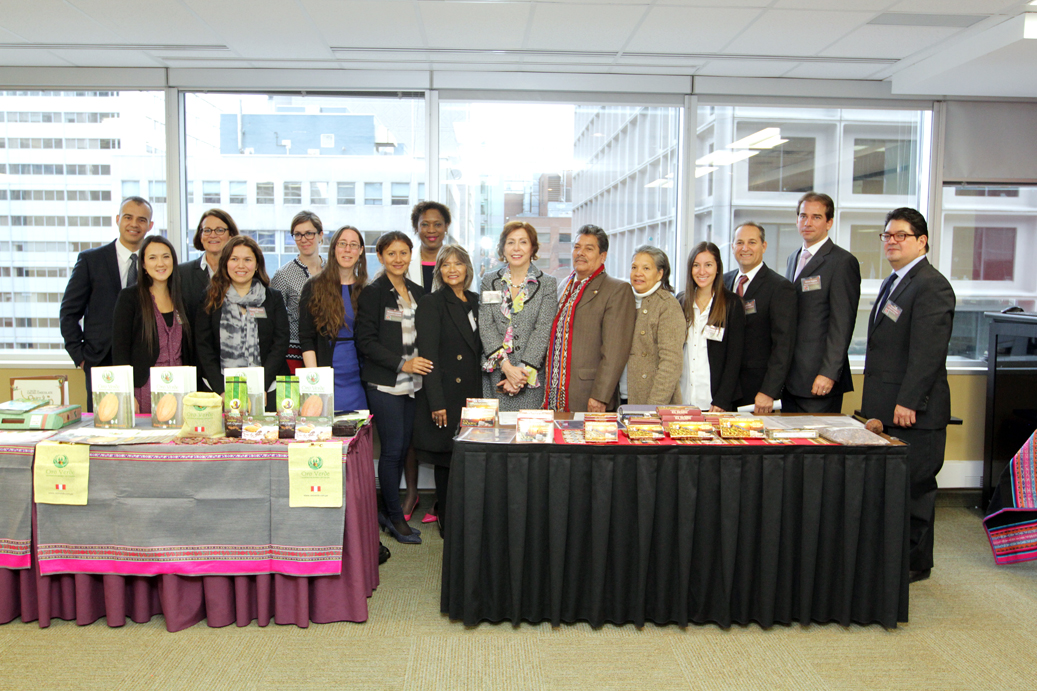
“We were able to link producers with representatives from the chocolate companies in Canada, investors, government officials that support international trade and development, and civil society organizations. We are doing this as part of our efforts to support the development of productive, inclusive, and sustainable agriculture in the Americas,” stated Audia Barnett, IICA Representative in Canada.
At present, IICA sponsors a project for cacao which is aimed at stimulating income opportunities for women in cacao processing, thus improving their ability to access the Canadian markets, including those liked to organic, direct, and sustainable production systems.
In order to implement this project, the IICA Delegation in Canada is partnering with Canadian entities such as the Finance Alliance for Sustainable Trade (FAST), Uniterra, a leading Canadian international development program that is jointly operated by the World University Service of Canada (WUSC) and the Centre for International Studies and Cooperation (CECI), and with Canadian, Peruvian, and Dominican cacao and chocolate companies.
More information: audia.barnett@iica.int