The entities seek to inform exporters and U.S. importers of the entry into force of the new rules and address their questions on this topic.
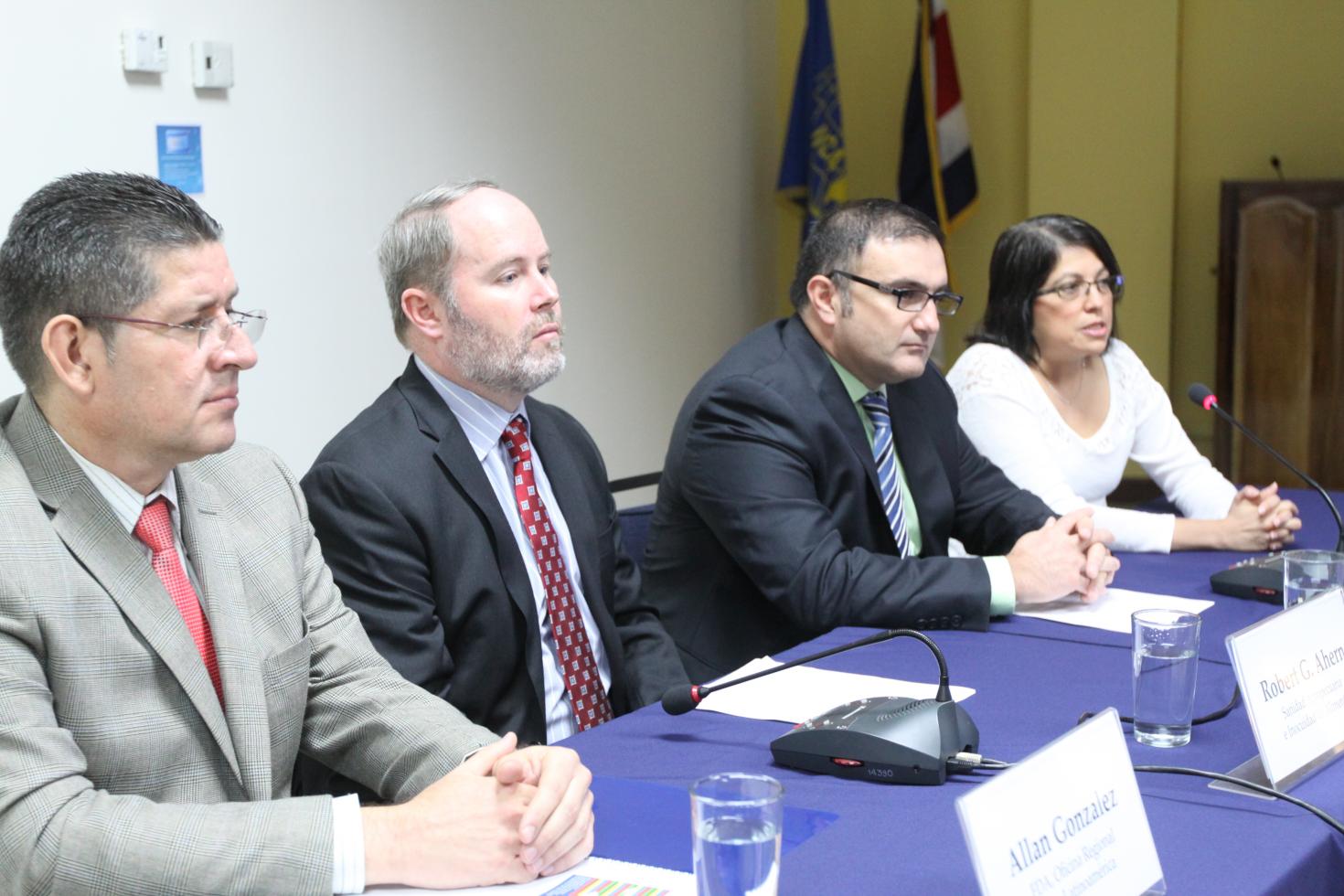
San José, 1 June 2016 (IICA). With support from the Inter-American Institute for Cooperation on Agriculture (IICA), representatives from countries in the Americas acquired in-depth knowledge of four new rules of the Food Safety Modernization Act (FSMA) implemented by the Food and Drug Administration (FDA) of the U.S. Department of Health and Human Services (HHS).
The representatives learned about the final rules on Standards for Produce Safety, Preventive Controls for Human Food, Preventive Controls for Food for Animals, and the Foreign Supplier Verification Programs, approved in 2015.
According to FDA data, over 360 thousand illnesses related to agricultural products are diagnosed each year, representing USD 976 million per year.
According to Allan González of the FDA Regional Office for Latin America, support from different institutions is necessary in order to disseminate clear information on the new food safety rules and raise awareness of the topic among exporters and importers.
“The purpose of this event is to provide information on all of the approved rules in order to minimize the impact of these regulatory changes on people and entities involved in this area,” stated Robert Ahern, Principal Officer of Agricultural Health and Food Safety at IICA.
The FSMA includes six additional rules which will be addressed during a virtual session that will be broadcast from IICA Headquarters in Costa Rica on June 2, 2016. To participate in or learn more about the event, click here.
“Rules enter into effect as soon as they are published, but compliance timeframes vary from a year to up to four years in some cases. On the website, users may look up the date on which each rule entered into effect,” stated Edmundo García of the FDA Regional Office for Latin America.
In attendance at the virtual sessions were representatives from Panama, Chile, El Salvador, Costa Rica, Ecuador, Colombia, Mexico, Canada, Nicaragua, Paraguay, Argentina, Honduras, Uruguay, Belize, Guatemala, the Bahamas, Barbados, Saint Lucia, Trinidad and Tobago, Jamaica, Barbados, Grenada, Saint Vincent and the Grenadines, and the United States, among other countries.
More information: robert.ahern@iica.int