New legislation establishes the same inspection processes for food imports and exports and domestically produced foodstuffs.

San Jose, Costa Rica, 20, June, 2014 (IICA). Exporters in Latin America and the Caribbean who market their products in Canada will probably have to improve their agricultural health and food safety (AHFS) controls if Canada approves a proposal aimed at modernizing its regulations.
The objective of the changes, proposed by the Canadian Food Inspection Agency (CFIA), is to prevent health risks and respond better to any food safety incidents that occur.
The objective of the changes, proposed by the Canadian Food Inspection Agency (CFIA), is to prevent health risks and respond better to any food safety incidents that occur.
It also requires businesses to have preventive control plans in place and to keep sanitary records for each stage of the production chain.
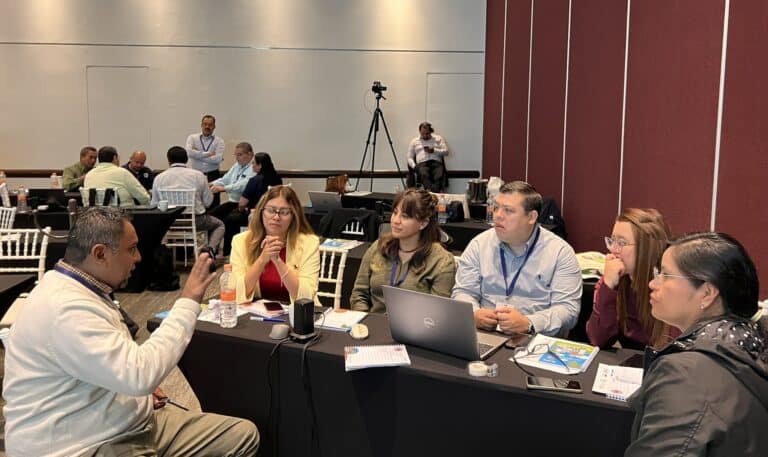
In a videoconference organized by the Inter-American Institute for Cooperation on Agriculture (IICA), the CFIA’s Director of Strategic Partnerships, Linda Webster, said the Safe Food for Canadians Act is designed to ensure the safety and quality of products, safeguard consumer health and establish more effective inspection systems consistent with international parameters.
Her comments were endorsed by IICA agricultural health and food safety (AHFS) specialist Ana Marisa Cordero, who added that the changes in Canada’s legislation were due to the increase in trade in foodstuffs, which was obliging governments to strengthen their safety control mechanisms to protect consumer health.
“The growing world food market increases the possibility of more sanitary incidents, so it is essential to have the capacity to detect risks and react in time,” Cordero remarked.
She added that the governments of Canada and other countries were modernizing their legislative frameworks governing AHFS and putting better oversight systems in place.
The legislation is the object of a consultation process that will conclude on July 21 this year. Stakeholders may email any comments or questions to CFIA-Modernisation-ACIA@inspection.gc.ca. The legislation is expected to enter into force in mid-2015.
In the coming weeks, IICA will be organizing virtual meetings to provide more details and explore the implications of the regulations proposed by Canada.
Más información:
ana.cordero@iica.int