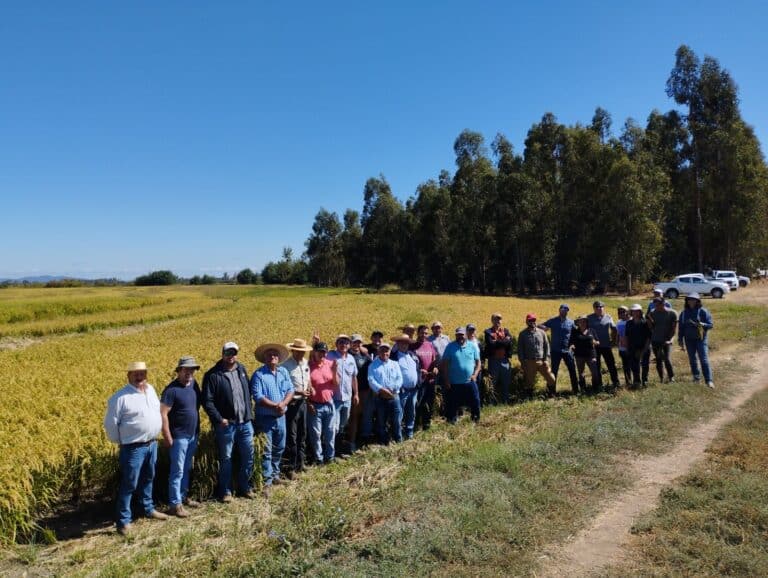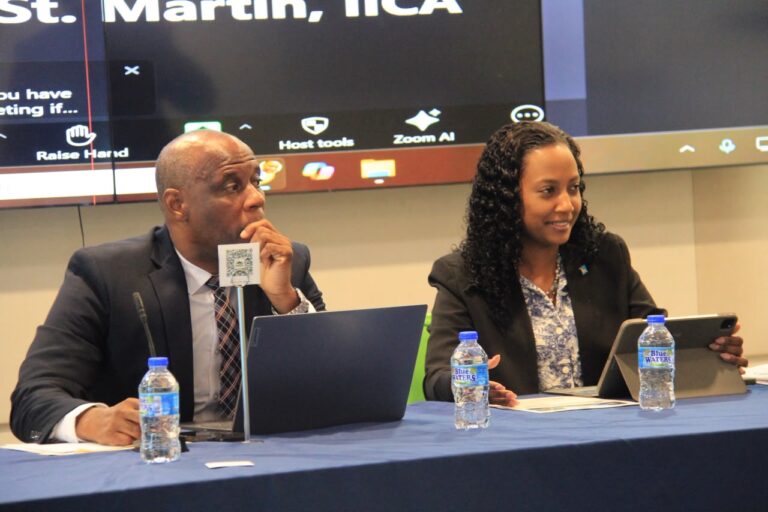
Subjects of the courses held for Caribbean professionals and producers included plant pathology, soil and water conservation and sheep production.

Mexico, August 22, 2014 (IICA). Mexico’s objective in providing specialized training to Caribbean professionals and producers, with support from the Inter-American Institute for Cooperation on Agriculture (IICA), is to help promote a new kind of agriculture in the Caribbean that will make the sector more competitive and increase its contribution to food security. p>
The course on sheep production at the Universidad Autónoma de Chapingo (UACH) concluded last week and the closing ceremony was attended by representatives of Mexico’s Secretariat of Agriculture, Livestock, Rural Development, Fisheries and Food (SAGARPA) and Secretariat of Foreign Affairs (SRE), as well as IICA and the UACH.
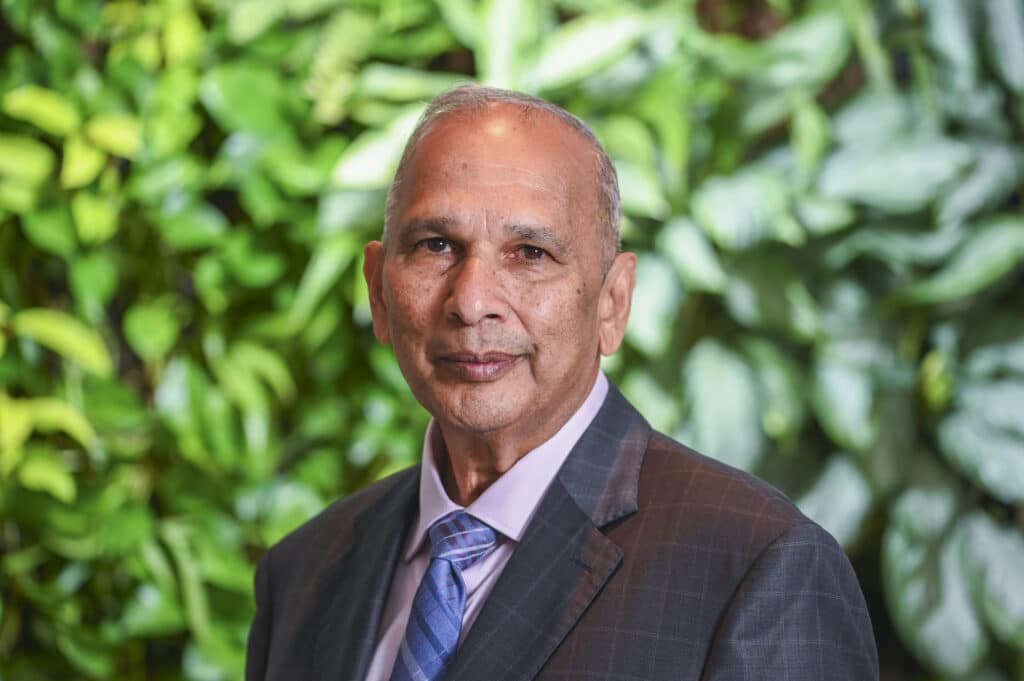
IICA Director General Víctor M. Villalobos said the course was part of Mexico’s effort to equip the participants with knowledge they could share and apply in their respective countries.
“It is a supportive effort by Mexico to help train human resources capable of promoting a new type of agriculture in the Caribbean region,” Villalobos observed.
SAGARPA was represented at the closing ceremony of the course on sheep production by the adviser to the Under Secretary for Food and Competitiveness, París A. Ramos de Cervantes; while Sonia González, the Director of Cooperation with Latin America and the Caribbean of the General Directorate of Technical and Scientific Cooperation, attended on behalf of the SRE.
IICA’s Representative in Mexico, Gloria Abraham, also took part in the activity.
The UACH representative, Reyes Altamirano, explained that, since agriculture and food security were such key elements of the world’s agendas and policies, the university wished to contribute expertise to help solve the problems faced in those areas.
“Our aim is to afford young people access to education in order to strengthen the agricultural sector; the UACH’s agreements with IICA are part of this effort,” Altamirano remarked.
Speaking on behalf of the students, Keith George, of Trinidad and Tobago, said the course had enabled them to deepen and enhance their knowledge and skills; and that they were returning to their countries with various projects they would be carrying out.
He was eagerly awaiting the start of the second phase of the program, which would allow the students to implement the knowledge acquired, with strategic support from the Mexican specialists.
The initiative is part of a technical cooperation agreement between SAGARPA and IICA, signed in April in Yucatán, within the framework of the Third Mexico-Caribbean Community (CARICOM) Summit.
The participants and students in the UACH course included producers and students from Suriname, Antigua and Barbuda, St. Vincent and the Grenadines, Grenada, St. Lucia, Dominica, Bahamas, Barbados, Jamaica, St. Kitts and Nevis, Haiti, Belize, Guyana and Trinidad and Tobago.
Other training courses have already been completed in the states of Puebla, Morelos and Mexico. They were facilitated by experts from the UACH, the Colegio de Posgraduados (COLPOS), the Mexican Institute for Water Technology (IMTA), and the Regional Center for Comprehensive Services for Protected Agriculture (CRESIAP).
Those training activities addressed subjects related to plant pathology, soil and water conservation and sheep production, family farming and rural tourism, and protected agriculture, among others.
The seminar, “Use of Molecular Techniques to Identify Plant Pathogens,” which is being held at the Parque Científico Tecnológico de Yucatán for 20 representatives from 12 Caribbean countries, concludes on August 29. The activity is being implemented by the Scientific Research Center of Yucatán (CICY).
In the second phase of the program, the Caribbean students will return to their countries to put the knowledge acquired into practice, with online support from their Mexican trainers. During the third stage of the process, the experts will visit the Caribbean to evaluate and enhance the expertise that the students acquired.
The agreement with SAGARPA is enabling IICA to contribute to effective training for countries that need incentives for their productive sectors, and to become a strategic partner in Mexico’s South-South cooperation efforts.
For further information:
gloria.abraham@iica.int