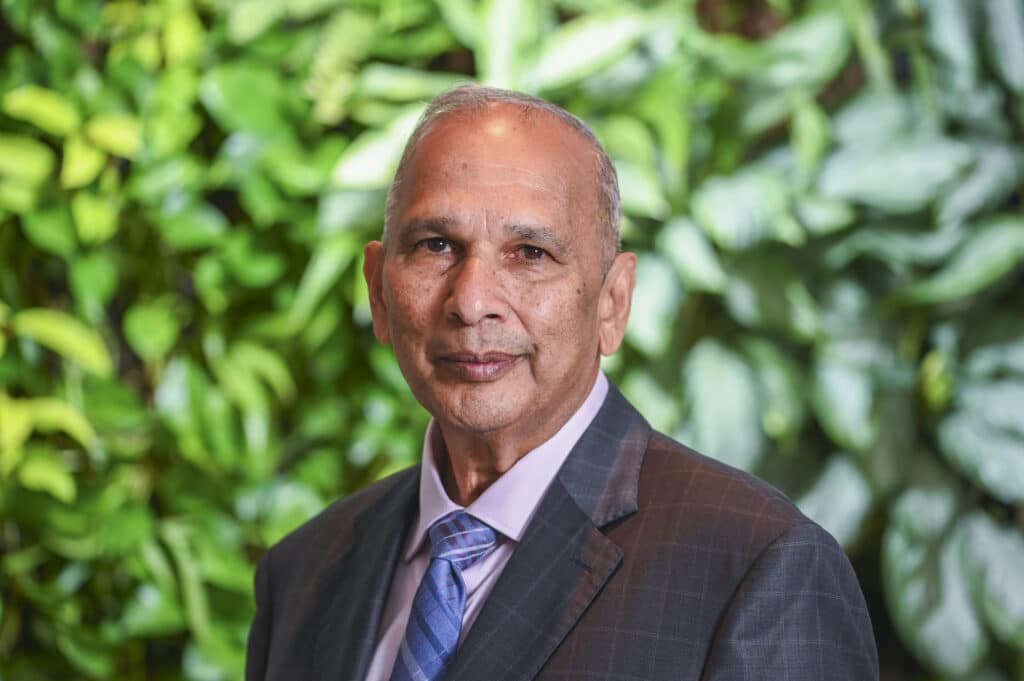
The Minister of Tourism, Trade and Industry of Guyana, Oneidge Walrond-Allicock, considered the situation caused by the pandemic as an opportunity to reimagine the tourism industry. For Zulfikar Mustapha, Minister of Agriculture, the key is to build resilience.
San Jose, 6 November 2020 (IICA). – The tourism industry and the agriculture sector are exploring common pathways and mechanisms to join forces and to become more sustainable and resilient, which are challenges imposed by the pandemic, and which they are addressing with the support of the Inter-American Institute for Cooperation on Agriculture (IICA).
The spectacular downturn in the number of visitors, as well as the high dependence on imports, the shortfalls and over-pricing caused by Covid-19, alerted the governments of the region to the need to look for strategies that will bring about more prosperous and inclusive economic activity, with particular attention to rural dwellers.
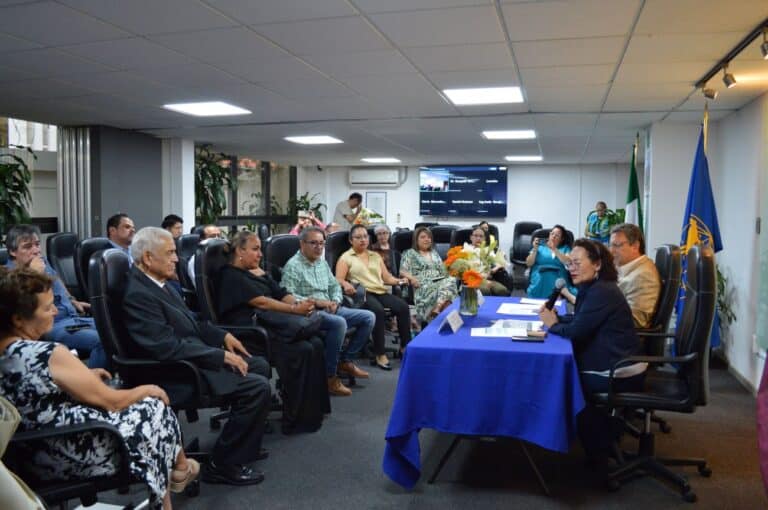
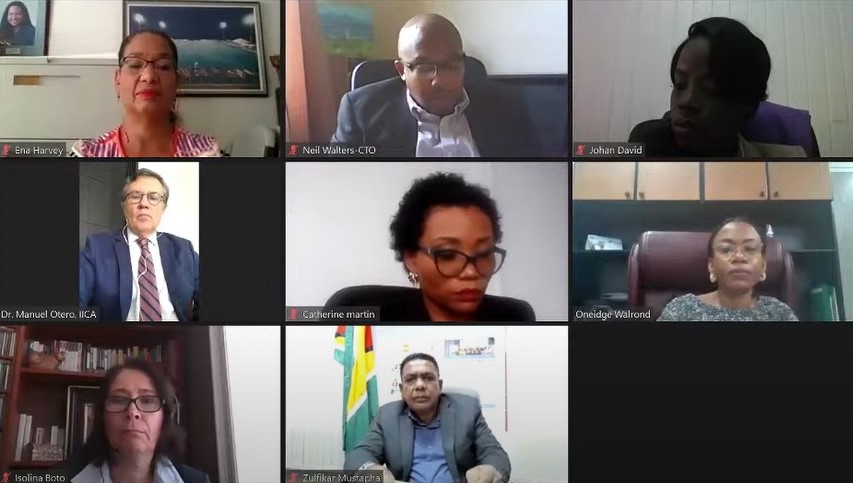
Representatives of the public and private sectors in the Caribbean participated in a virtual seminar on this topic, which was organized by the Inter-American Institute for Cooperation on Agriculture (IICA).
According to the Minister of Tourism, Industry and Commerce of Guyana, Oneidge Walrond-Allicock, “the situation caused by the pandemic represents an opportunity to reimagine the tourism industry and to develop a sector that is sustainable and which contributes to the quality of life in the rural areas”.
“We have a great tradition of indigenous foods that can be incorporated in our tourism offerings,; we must diversify and ensure that we are adhering to international standards for marketing what we produce”, mentioned the Minister.
Zulfikar Mustapha, Minister of Agriculture of Guyana, stated that “Covid-19 has impacted the agricultur sector in Guyana in a significant way, with losses for famers as high as 70% for farmers, poor sales, low storage capacity and lack of inputs and personnel to carry out agricultural activities. We have to make significant investments in order to provide seeds and materials to build greenhouses so that we can increase our resilience”.
The Caribbean countries have placed great emphasis on developing the tourism industry, but they have not linked these efforts to the local food industry; this means that there are many opportunities to generate employment and innovations.
According to Manuel Otero, Director General of IICA, “Linking agriculture and tourism will be critical in the coming years, because there will be many opportunities for the rural communities to join with the tourism industry. We believe that public-private partnerships are very important to developing these synergies in the Caribbean”.
Although the agriculture sector in the Caribbean has been severely impacted by the pandemic, agriculture has become one of the key areas for reactivating the economy.
According to the Caribbean Tourism Organization (CTO), international arrivals to the Caribbean fell by 63% this year, compared to 2019. Cruise ship arrivals alone fell by 58%.
The Acting Secretary-General of the CTO, Nel Walters, stated that “the historical richness and the original agriculture of the region provide a basis for diversifying the tourism products, once the activity gets going again. The link between both sectors is ncessary for mitigating risks in our vulnerable economies. The pandemic has shown the value of working together”.
He mentioned further that it was necessary to improve existing communications and infrastructure within the Caribbean in order to guarantee safe visits for the tourists to the interior of the country, and to capitalize on the opportunities provided by agrotourism.
The virtual meeting provided the opportunity to underscore activities in which there could be interesting synergies between agriculture and tourism. Experiences such as the coffee tour in Jamaica, cocoa tours in Grenada and for coconut in Guyana could be special attractions that would highlight the culture and the taste of the Caribbean.
IICA is supporting training activities so that these industries can be better linked, in response to requests from the Caribbean ministers themselves.
Isolina Boto, Head of Networks and Alliances for the Liaison Committee of the EU-ACP, pointed out that the producers needed training in certification, marketing and labelling “By joining forces with IICA and the ministers, we can support achieving the standards required by formal markets, the development of business plans and training of producers in areas such as health and certification”.
For participants in the seminar, the opportunities for sustainable tourism development in the Caribbean are significant and the potential is vast, but solutions must be worked out in collaboration with the public and private sectors, as well as through international cooperation.
According to Ena Harvey, IICA Representative in Barbados, “It is imperative that we seize this moment to promote new relationships and tourist attractions, and to guarantee opportunities for investment, employment and sustainable livelihoods through diversification”.
Watch complete seminar here:
https://www.facebook.com/436831050034/videos/363958751387497
More information:
Institutional Communication Division
comunicacion.institucional@iica.int