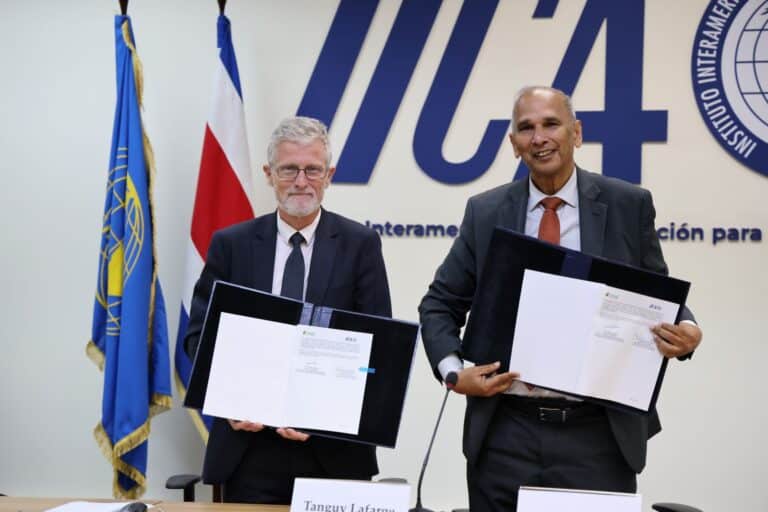

San José, Costa Rica, 20 June 2025 (IICA). Costa Rica’s Ministry of Environment and Energy (MINAE) and the Inter-American Institute for Cooperation on Agriculture (IICA) presented innovative projects developed in the Central American country that leverage waste and biomass to generate renewable energy.
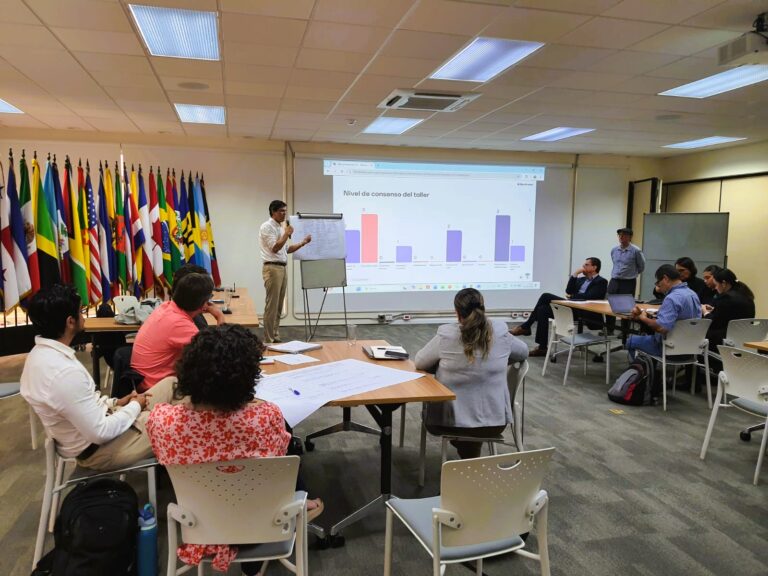
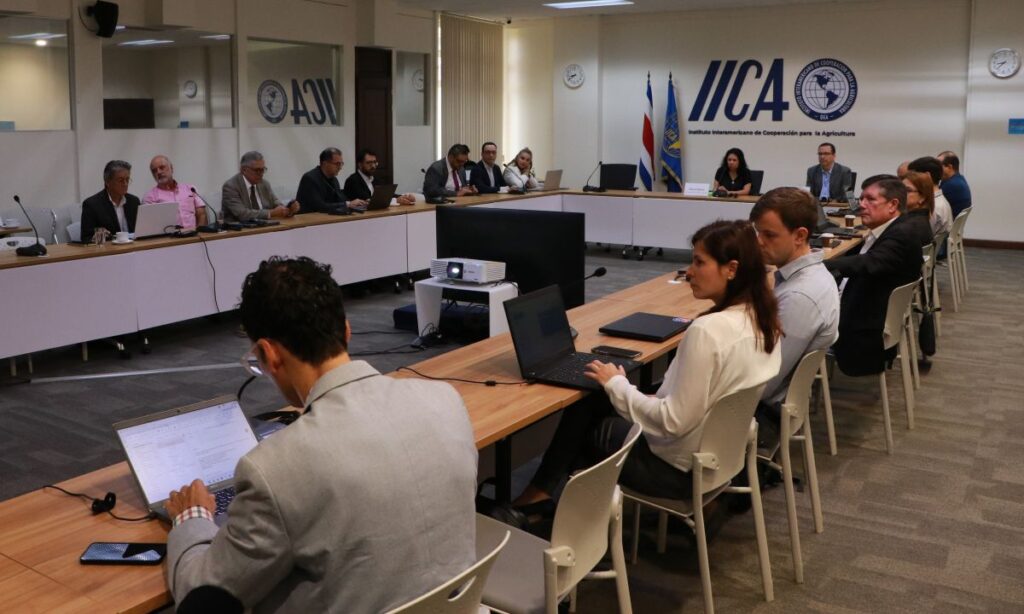
The presentation took place at an event held at IICA headquarters, attended by around thirty participants including key actors from the public and private sectors and international cooperation. They learned firsthand about initiatives that demonstrate the potential of bioenergy to diversify Costa Rica’s energy matrix, reduce emissions, and create economic opportunities in rural areas.
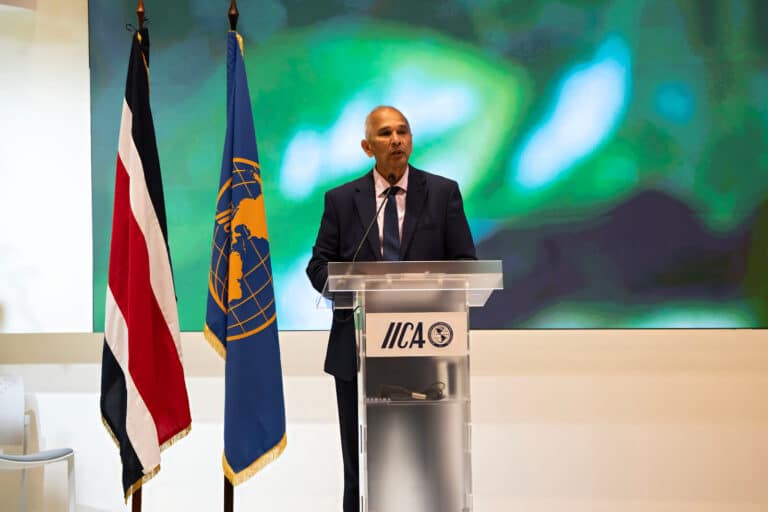
The event began with opening remarks by Costa Rica’s Vice Minister of Energy, Ronny Rodríguez, and IICA’s Representative in the country, María Febres, and was held within the framework of the National Decarbonization Plan 2018–2050, which guides sustainable and productive development actions in rural territories.
A total of 10 projects were presented, implemented by private companies such as Biomatec, Coopetarrazú, Porcina Americana, Lechería Santos, Plasma INNOVA, Gigafex, and ICICOR, which in each case use agricultural waste such as pineapple, coffee, pig and cow manure, wastewater, municipal waste, among others, to produce energy through biodigestion, gasification, or using solar and wind energy.
Vice Minister Rodríguez stated that, given the carbon capture limitations of forests, the country needs to turn to novel systems. He emphasized the role of bioenergy and the bioeconomy as key solutions to replace fossil fuels through the use of agro-industrial, urban, and industrial waste.
“The role of bioenergy and the bioeconomy is essential, and when it comes to the bioeconomy, IICA is knowledgeable and a leader throughout the Americas. With its support, we are trying to promote opportunities for different actors and local knowledge to access climate funds from multilateral sources, to find other decarbonizing solutions,” he explained.
“For example, a farm using its waste to produce energy that replaces petroleum derivatives; an industry using biomethane to replace bunker fuel in its boilers; a company using waste to produce biomass and generate electricity—this is what we’re working on: innovative projects with direct effects on mitigating greenhouse gas emissions, reactivating the local economy, and generating greater wealth in rural areas,” he added.
For her part, IICA’s Representative in Costa Rica, María Febres, underscored the Institute’s role as a facilitator in promoting the use of biomass as a clean energy source in support of the country’s decarbonization goal.
“We have the bioeconomy program to explore alternative clean energy options. At IICA, we are serving as a facilitator, as a link, and through the initiatives we’ve identified that use biomass for energy, we see a great opportunity to support companies that are investing in and have developed these technologies,” said Febres.
“These technologies vary. Some are related to the use of biodigesters or plasma; many use agricultural waste like pineapple and coffee. It’s an alternative to avoid negative environmental impacts. This also prevents the generation of solid waste that causes serious pollution problems,” she added.
Financing options
The event also featured the participation of representatives from the International Renewable Energy Agency (IRENA), a global intergovernmental body that promotes the energy transition, who presented its climate financing platform for projects like those showcased at the meeting.
IRENA, made up of 170 members—169 countries and the European Union—serves as a platform for international cooperation and supports countries in their energy transitions by providing data and analysis on technology, innovation, policies, financing, and investment.
The Deputy Director of Project Facilitation and Support, Erick Ruiz Araya, explained to the different project representatives the various possibilities of accessing financial resources or obtaining other support to enhance these initiatives.
“We are the only international agency focused on renewable energy and energy transition. We ensure that projects are aligned with national plans and sustainable development goals. For the projects presented today that are at a suitable level of development, we invite them to contact us through the Ministry of Environment and Energy to arrange a meeting where we can discuss the project. We can guide them, identify gaps, and explore financing options,” Araya concluded.
More information:
María Febres, IICA Representative in Costa Rica.
maria.febres@iica.int