On April 5, 2017 the IICA Delegation in Canada and the Embassy of Peru in Canada hosted an event on “Cacao production in the Americas – A rewarding path to trade and development”.

The event showcased investment, trade and development opportunities in Peru’s cacao sector and raised awareness of the role of cacao production and processing in rural livelihoods.
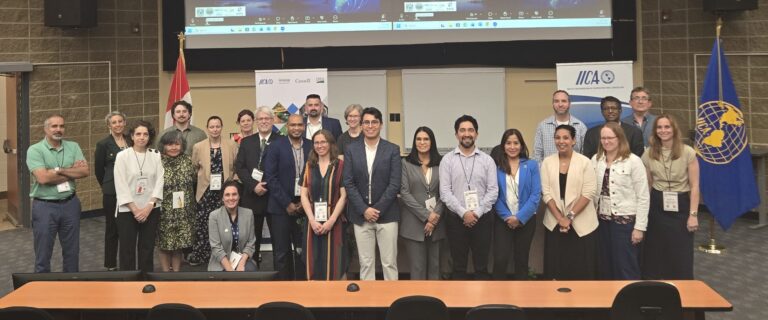
The event was attended by 75 participants representing Canadian chocolate businesses, investors, government officials supporting trade and international development, and civil society organizations. The occasion highlighted the cacao value chain, from plants to cocoa beans to chocolate bars, a chain that provides opportunities for trade and development in cacao producing countries such as Peru.
Peru is one of the main countries of origin of cacao and home to 60% of cacao varieties in the world. A delegation of six Peruvian companies and cooperatives showcased their products and discussed trade and investment prospects with Canadian companies. An official of the Ministry of Agriculture in Peru provided a presentation to participants on the sector, highlighting the quality and special characteristics of the Peruvian product.
Canada is among the largest consumers of chocolate in the world. The average consumption is 6.4 kg per year or 160 bars of chocolate per year per person which makes us the ninth largest consumer of chocolate in the world, one kilo more than the United States.
The first part of the April 5th event consisted of dynamic presentations related to the theme, including a video on the “chocolate story” – a story highlighting the impact of cacao production and processing on developing agricultural communities in Latin America, a presentation the cacao sector in Peru, and an overview on the Canadian market for cacao products. Participants commented on the usefulness of the presentations and the event for facilitating business opportunities and addressing any barriers in trade.
In the second part of the event, participants were able to network with other participants and with the members of the delegation while they enjoyed refreshments and visited the various “mini expo” tables. All Peruvian companies set up displays with their products and promotional information on their organizations. This opportunity supported direct dialogue between Peruvian producers and Canadian stakeholders such as financial services providers, importers, distributors and chocolatiers.
IICA’S Delegation in Canada is currently sponsoring a cacao project aimed at stimulating income opportunities for women in cacao processing by enhancing their ability to access Canadian niche markets including markets such those linked to “Bean to Bar”, organic, direct-sourced and sustainable production systems. This special event provided an opportunity to highlight IICA’s work and further engage Canadian stakeholders on the project.