The International Conference on Tropical Agriculture underscored the importance of integrating research, innovation, and local knowledge to transform agriculture in tropical regions.
San José, 6 August 2025 (IICA). The transformation of tropical agriculture toward more inclusive, resilient, and sustainable systems calls for the coordinated efforts of scientific research, farmers, and public policymakers, according to specialists who took part in a forum organized by the Inter-American Institute for Cooperation on Agriculture (IICA) and the Tropical Agriculture Research and Higher Education Center (CATIE).
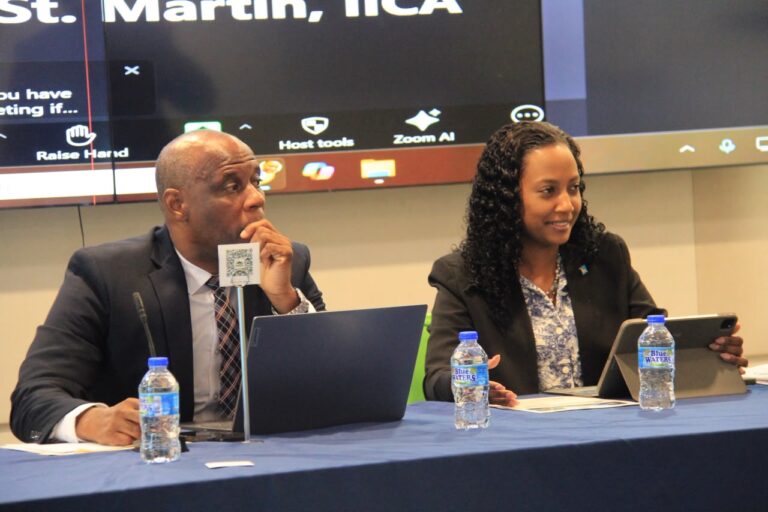
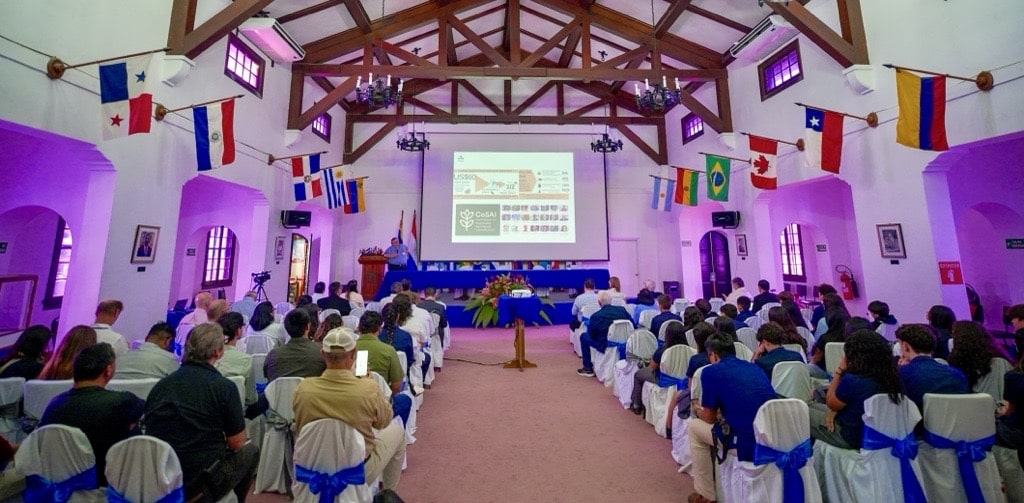
Held in Costa Rica, the International Conference on Tropical Agriculture brought together scientists, representatives of research institutions, multilateral organizations and senior public sector officials, all of whom were convinced that tropical agriculture is not only key to global food security, but also faces structural challenges that call for innovative solutions based on research adapted to the local context and with the direct involvement of farmers themselves.
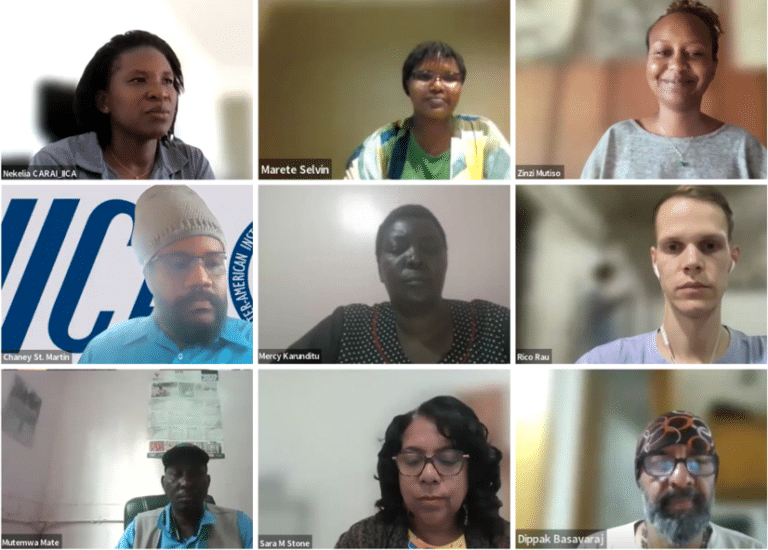
The speakers on the issue of research wereRodomiro Ortiz, professor at the Swedish University of Agricultural Sciences (SLU); Marcelo Augusto Boechat Morandi, researcher and international relations representative at the Brazilian Agricultural Research Corporation (EMBRAPA); Stephen Kresovich, Director of the Feed the Future Innovation Lab for Crop Improvement; and Roberto Camacho, Executive Director of Costa Rica’s National Institute of Agricultural Innovation and Technology Transfer (INTA).
Rodomiro Ortiz pointed out that today’s tropical agriculture has been one of the main drivers of the transgression of planetary boundaries, such as the integrity of the biosphere and biogeochemical flows.
He proposed moving toward climate-smart agriculture, based on practices such as agroforestry, soil conservation, efficient water use, and research, and theintensification of sustainable agriculture as a means to produce more food with less environmental impact.
Marcelo Augusto Boechat Morandi emphasized that coordinating the efforts of scientific research and farmers is the only way to address the challenges of the present and the future.
“The agriculture of the future will be data-driven, inclusive, and sustainable. To achieve it, we need investment in research, knowledge transfer, and public policies that facilitate the adoption of new technologies,” he remarked.
The International Conference on Tropical Agriculture demonstrated that the future of agriculture in tropical areas depends on the ability to closely coordinate scientific research, innovation, and farmers’ knowhow.
The experts affirmed that collaboration among researchers, producers, and decision-makers is not only desirable, but essential, to build equitable, resilient, and sustainable agrifood systemsdesigned to meet the challenges of climate change and global food security.
With regard to international cooperation, Stephen Kresovich highlighted the importance of regional innovation laboratories as drivers of transformation.
He explained that crop improvement must integrate agricultural, social, and economic knowledge, and that capacity building for national agricultural research institutesis key to aligning science with the real needs of communities.
“The transformation of tropical agriculture calls for adapted, inclusive, and evidence-based solutions. Only through the coordinated efforts of science and farmers will be able to build sustainable, resilient food systems,” he concluded.
Finally, Roberto Camacho, Executive Director of Costa Rica’s INTA, presented the Central American country’s vision of the role of research in tropical agriculture. He emphasized that INTA’s work was based on the development of technologies adapted to local conditions and close coordination with producers. “Scientific research must be at the service of the country’s farmers and sustainable development,” he added.
“The coordinated use of science and the land is the only way we can build a type of tropical agriculture that is productive, resilient, and adapted to climate change,Camacho concluded.
More information:
Institutional Communication Division.
comunicacion.institucional@iica.int