Summertime in Ottawa is a treat! The beautiful weather served as a great backdrop for the varied menu of activities performed by the IICA Delegation in Canada.

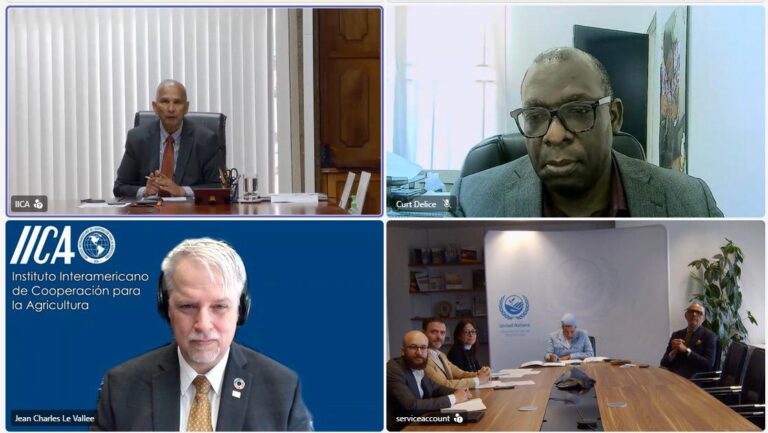
to the new High Commissioner of Trinidad & Tobago in Canada, H.E. Garth Chatoor
Ottawa, ON. Awardees under the Research Internship Assistance Programme (RIAP) were busy with their various activities and based on preliminary reports, several other countries stand to gain from the outputs of the exchanges and internships. This attests to the catalytic effect of this programme. The Delegation’s own Summer Internship usually involves a specific task that requires dedicated time and skills for providing data or intelligence relevant to the Canadian landscape. This summer was no different, though the modus operandi veered from the usual in-office exercise, to an off-site collaborative exercise. Forging new partnerships, the summer project was designed to identify all-round benefits of the Seasonal Agricultural Workers Programme in Canada, as well as opportunities for optimizing the acquired proficiencies in participating countries.
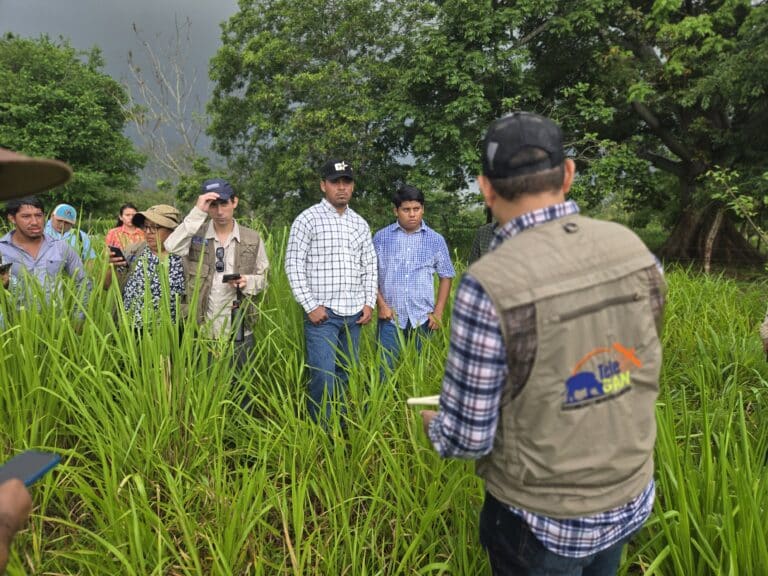
The PROCINORTE Secretariat was in preparation mode for the platform’s annual Board of Directors meeting, even while facilitating several workshops on behalf of the task forces. However, by far the most intensive activity this summer was implementing the first phase of the Delegation’s FonTC Project: “Enhancing value-added opportunities of small scale cacao producers in Peru and Dominican Republic”. As with the start-up of most projects, there were anxious moments, however the team comprising Delegations in Peru and Dominican Republic worked tirelessly to ensure that planned activities achieved the results anticipated.
In addition to courtesy calls on new Ambassadors of Trinidad & Tobago, Argentina and Chile, the Delegation embarked on a mission in the Maritime Provinces, where new potential collaborators were introduced to the Institute’s programmes and contributions in the hemisphere as well as in Canada. The timing of the mission was perfect, as it allow for participation of the Deputy Director of Technical Cooperation, who undoubtedly added value to the interactions and discussions.
As the year draws to a close, the Delegation is eager to start planning follow-up on several leads which emerged during the quarter – particularly as those that will impact the effective delivery of its country strategy.