Amidst the crisis triggered by COVID-19, Physic nut seeds harvested in Ecuador have become twice as important, providing a source of clean energy and economic sustenance for hundreds of families.
Quito, 7 October 2020 (IICA). Every year, between March and June, around 1,200 farmer families in rural areas of the province of Manabí, on the southern coast of Ecuador, harvest physic nut seeds from living fences spanning 12,700 km.
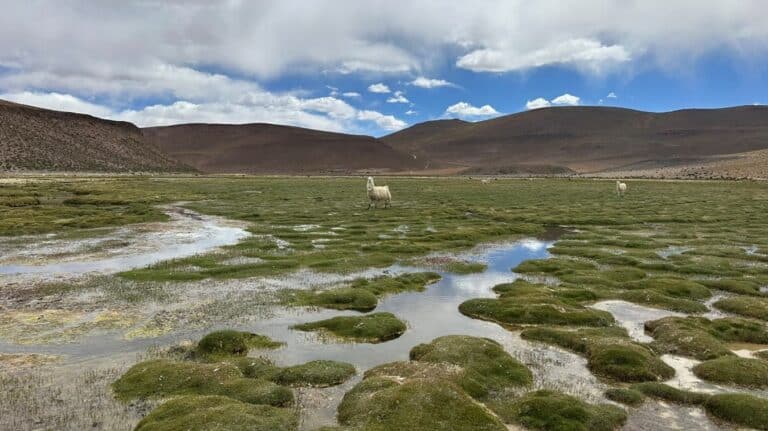
Physic nut is a perennial shrub that grows in dry regions of Ecuador and whose adaptability to extreme weather and soil conditions makes it a very valuable crop alternative for farming families in vulnerable areas.
Farmers sell the seeds they collect to 56 collection centers that form part of Manabí’s Cooperative of Producers and Processors of Physic Nut Living Fences (COOPROCERMA), which are responsible for collecting the seeds and producing pure physic nut vegetable oil (PVO), which is then used as a biofuel to generate clean energy on Floreana Island in the Galapagos.
This project was launched by the Ministry of Energy and Non-Renewable Natural Resources of Ecuador, and has received support from the Inter-American Institute for Cooperation on Agriculture (IICA) since 2008.
The money collected is of crucial importance to families in Manabí, especially at a time when other jobs and activities have come to a standstill because of the pandemic; in fact, for many families, this is their only source of income. Each quintal of physic nuT in shell is bought for USD 10, which is used to provide families with food and school supplies for children.
From physic nut to biofuel
Andrés Viteri, one of the 100 members of COOPROCERMA, described the process of producing pure physic nut vegetable oil, explaining that, “Once the seeds have been collected and transferred to extraction centers, the physic nuts are shelled and put into a machine that separates the oil and decants the liquid. The sediment, called physic nut cake, is then sold or given away to be used as fertilizer”.
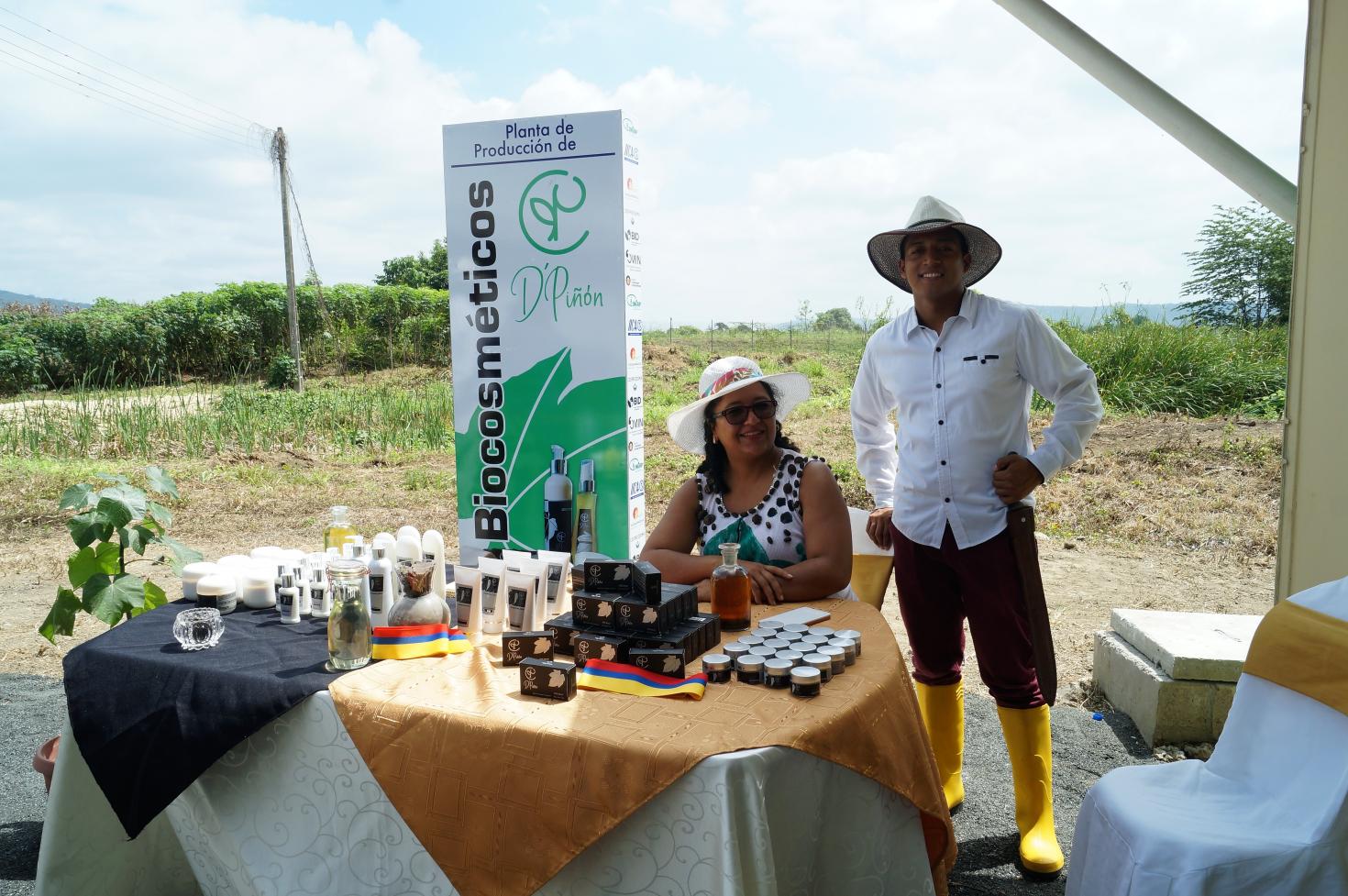
Any oil that is not decanted is processed and transformed into PVO, which is sent to the Galapagos, while the remaining portion is used to produce soaps and biocosmetics for skin and hair care. This fully sustainable cycle capitalizes on all parts of physic nuts seeds, without generating any waste.
In addition to fostering rural development and guaranteeing the livelihood of these families, the physic nut biofuel value chain is of crucial importance to the environment: one quintal of physic nut is equivalent to USD 10 and allows for reducing CO2 by 12 kg. Four quintals of physic nut are equivalent to USD 40 and allow for producing clean energy for a family of four for one month; lastly, 1,000 quintals of physic nut are equivalent to USD 10,000 and generate three months of clean electricity for all inhabitants on Floreana Island in the Galapagos.
Saving the Harvest
As it continues to spread around the world, the Covid-19 pandemic has also affected this valuable chain. Andrés Viteri noted that people have grown fearful of falling ill with the virus, which has translated into collection centers closing and, in turn, families not heading out to harvest.
At the same time, the regular jobs of many inhabitants in Manabí were suspended because of the crisis, so harvesting physic nut became their only possible means of sustenance.
“This situation forced us to adapt and look for alternative ways to support these families. Among all the members of the cooperative, we organized ourselves to collect the quintals at these families’ homes”, remarked Viteri.
The members of the cooperative also requested a credit line to purchase the harvest.
“While we awaited approval, some members of the cooperative found ways to contribute. I invested about USD 10,000 to purchase 720 quintals, in order to reach the annual goal of 3,000 quintals. At the end of the day, this is about saving a chain of crucial importance for many people; for many families, physic nuts represent a source of additional income that allow them to survive and feed themselves during times of crisis”, stated Andrés García, manager of the COOPROCERMA cooperative.
IICA’s role in the Physic Nut project
Ecuador is the first country in the world whose Constitution recognizes the rights of nature. For this reason, the government is promoting the Zero Fossil Fuels initiative in the Galapagos Islands – declared a World Heritage Site by UNESCO in 1978 – in order to prevent the risk of oil spills, diversify its energy matrix and contribute to reducing greenhouse gas emissions.
For this reason, the project of the Ministry of Energy and Non-Renewable Natural Resources of Ecuador, supported by IICA, seeks to replace diesel with pure vegetable oil (PVO) made from physic nuts, in order to generate electricity on Floreana Island in the Galapagos.
Based on local knowledge and the technologies and tools acquired, production has been diversified. At present, in addition to producing PVO, biocosmetics for commercial sale are also being manufactured. The D’Piñón brand manufactures soap, face creams, and hair products such as shampoo and conditioner, under the highest national and international technical standards.
Margarita Baquero, IICA Specialist in Ecuador, stated that the project has represented quite a challenge given the fact that the physic nut value chain did not exist. The initiative has demonstrated that the clean production of biofuel and the use of all its by-products can generate a pollutant-free, responsible and sustainable industry.
Andrés García of COOPROCERMA noted that “IICA’s technical and financial assistance has played a crucial role in formalizing physic nut by-products and, in turn, generating new employment opportunities and sources of income for families in Manabí”.
The project seeks to contribute to reducing the use of diesel to generate electricity in the Galapagos Islands, thereby improving the quality of life of more than 3,600 producers in Manabí and contributing to the rural development of those who harvest physic nuts and currently depend on this value chain.
More information:
Institutional Communication Division
comunicacion.institucional@iica.int