The Director General of IICA has proposed that the ministers of agriculture of the two continents meet in 2022 to launch a common cooperation agenda
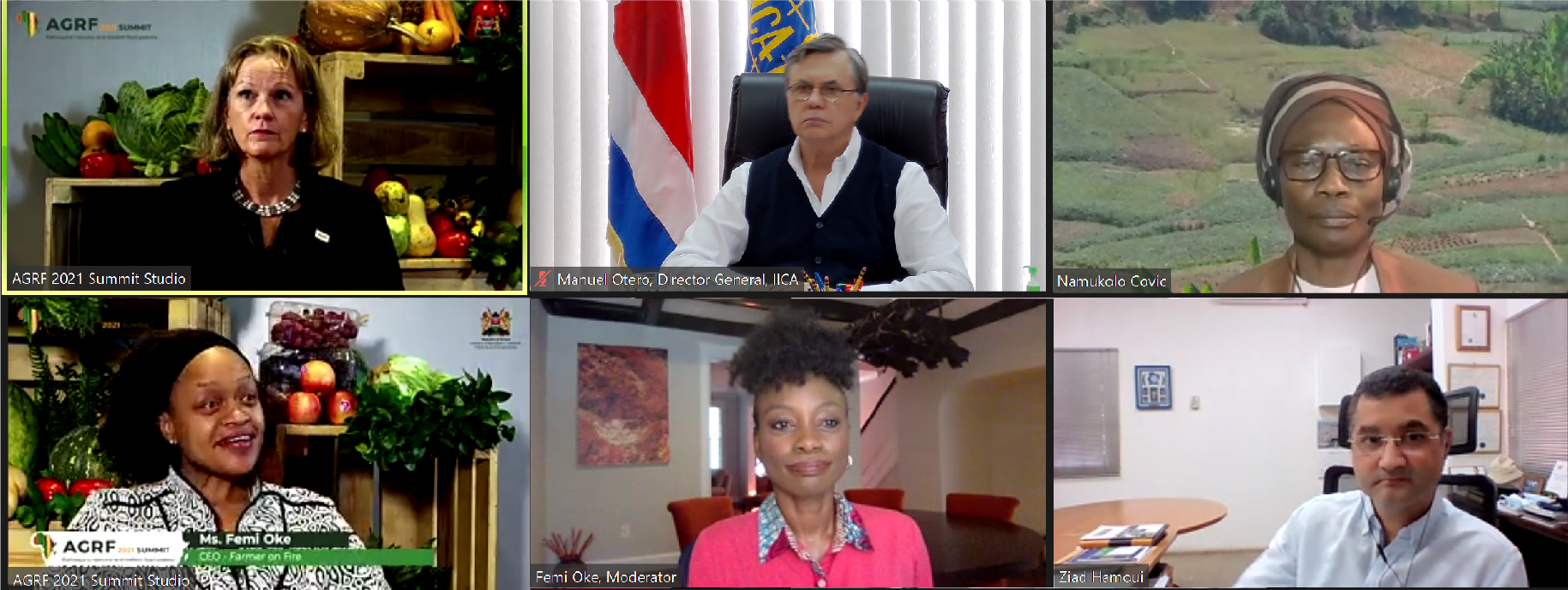
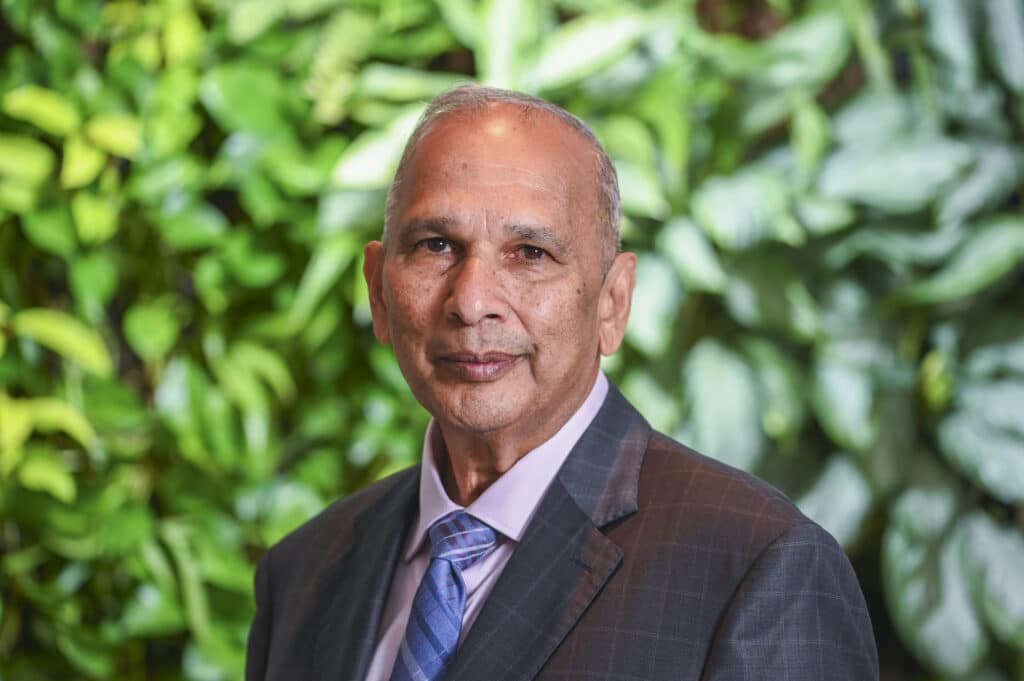
San Jose, 15 September 2021 (IICA). In a forum co-organized by the Kenyan government, the Director General of the Inter-American Institute for Cooperation on Agriculture (IICA), Manuel Otero, drew attention to the fact that, given their wealth of natural resources and biodiversity and the opportunities offered by tropical agriculture, the Americas and Africa are key to ensuring global food security and environmental sustainability, although political will and the involvement of the agricultural authorities of the two continents are also required to meet the challenge.
Otero was an online participant in one of the sessions of the African Green Revolution Forum (AGRF), targeted at ministers and other public and private decision-makers in Africa, researchers, and representatives of financial institutions. This year the forum has been focusing on the recovery and the resilience of agri-food systems.
During the meeting, IICA’s Director General suggested that the Americas and Africa should draw up a common agenda based on their shared goal: that of feeding the world and promoting environmental sustainability.
“These times call for collaboration, solidarity, inter-cooperation and joint action. For this reason, I propose that a meeting of the ministers of agriculture of the Americas and Africa be held early next year to confirm that the political will exists to work in an integrated fashion, and to move from rhetoric to action,” said the Director General of the agency specializing in agricultural and rural development.
His conversation partners in the dialogue were Maura Barry Boyle, Senior Deputy Assistant Administrator and Global Water Coordinator, USAID Bureau for Resilience and Food Security; Namukolo Covic, Senior Research Coordinator at the International Food Policy Research Institute (IFPRI) for the CGIAR Program on Agriculture for Nutrition and Health; Sara Mbago-Bhunu, Director of the East and Southern Africa Division of the International Fund for Agricultural Development (IFAD); and Ziad Hamoui, President of the Ghana National Chapter of Borderless Alliance.
Otero suggested that issues related to the resilience and transformation of agri-food systems could be first on the list for any joint cooperation agenda for the Americas and Africa. These include the need to promote the digitization of agriculture, regenerative agriculture and soil recovery, all of which IICA is already promoting under initiatives with Precision Development (co-founded by the winner of the 2019 Nobel Prize for Economics, Michael Kremer) and Living Soils of the Americas (in cooperation with the renowned scientist and 2020 World Food Prize winner Rattan Lal).
During the forum, IFAD’s Mbago-Bhunu stressed the importance of partnering with international organizations and private sector stakeholders with a view to introducing new technologies in the countryside; while USAID’s Barry said governments should make a commitment to investing more in innovations to transform food production and make it more sustainable.
Covic, who works for IFPRI, suggested that, as well as being more climate resilient, agri-food systems need to provide healthier, more nutritious foodstuffs; while Hamoui, the President of Borderless Alliance in Ghana, noted that barriers such as limited access and the cost and quality of food, also had to be eliminated.
After endorsing the other speakers’ comments, Manuel Otero highlighted the need to strengthen the inclusion of women and youth, describing their contribution to the transformation of agri-food systems as “fundamental”.
“I should also mention the agreement that IICA signed recently with the Alliance for a Green Revolution in Africa (AGRA), under which AGRA’s President Agnes Kalibata and myself are committed to promoting the recovery of soils, efforts to combat poverty and hunger, and the transformation of agri-food systems in our respective regions,” Otero added.
Under the agreement signed by AGRA and IICA, the two organization’s joint efforts will help boost the agriculture sector’s contributions to economic growth and sustainable development in the countries of Africa and the Americas, strengthening the well-being of rural populations, promoting international and regional trade, and increasing the resilience of agri-food systems to extreme weather events.
The partnership makes sense given the similarities between countries in Africa and the Americas with regard to factors such as the availability of land, the large numbers of family farmers, and the conviction that agriculture has a major role to play in achieving sustainable development, as stated in the document that was signed.
Kalibata, former Minister of Agriculture of Rwanda, is the Special Envoy of the UN Secretary General for the 2021 Food Systems Summit, due to be held this month in New York, while IICA is a member of one of the support structures created for the summit, the Champions Network.
In the run up to the global meeting, IICA has facilitated multiple dialogues among the countries of the Americas, which reached a consensus on how agri-food systems should be transformed and strengthened.
The Americas is the only region in the world that has established a common position prior to the Summit. That position was ratified at the 2021 Conference of Ministers of Agriculture of the Americas, also organized by IICA and held in early September.
More information:
Institutional Communications Division
comunicacion.institucional@iica.int