Belém do Pará, Brazil, 13 November 2025 (IICA) – At the beginning of COP30, major institutions in the Argentine rural sector presented a document in which they maintain that agriculture can be part of the solution to daunting global challenges, including food security, climate challenges and natural resource regeneration.
The document, which was endorsed by the Inter-American Institute for Cooperation on Agriculture (IICA), calls on all stakeholders in Argentina’s agroindustrial chain and the rest of the region, to strengthen a common agenda that is capable of demonstrating the strategic value of agriculture as a driver of global development, sustainability and inclusion.
The document, prepared based on the consensus of multiple stakeholders in the production and industrial sectors, states that the region must strengthen its positioning by providing scientific data that illustrates the true impact of ongoing sustainable agricultural practices in Argentina and South America.
It also underscores the fact that in the current global climate—marked by increasing food demands, degradation of natural resources and climate challenges—the Argentine agriculture sector plays a strategic role, by offering concrete, sustainable and evidence-based solutions.
The document notes that, “Having captured more than 30% of the global grain and meat markets, South America is actively contributing to global food security, and doing so with practices that have a lower environmental footprint and the immense potential to capture soil carbon, which is something that only agriculture can do”.
Signatories of the document include the Argentine Association of Direct Seeding Producers (AAPRESID), the Argentine Rural Society (SRA), the Argentine Beef Promotion Institute (IPCVA), the Argentine Association of Regional Agricultural Experimentation Consortia (CREA), the Inter-Cooperative Agricultural Confederation (CONINAGRO), the Argentine Corn and Sorghum Association (MAIZAR) and the Oil Industry Chamber of the Republic of Argentina-Grain Exporters’ Center (CIARA-CEC).
“We support the declaration by the Argentine rural sector which, through innovation and public-private sector collaboration in recent decades, has developed a more productive agriculture sector that protects natural resources, through the adoption of practices such as direct seeding, crop rotation and the incorporation of biotechnology”, said IICA Director General, Manuel Otero.
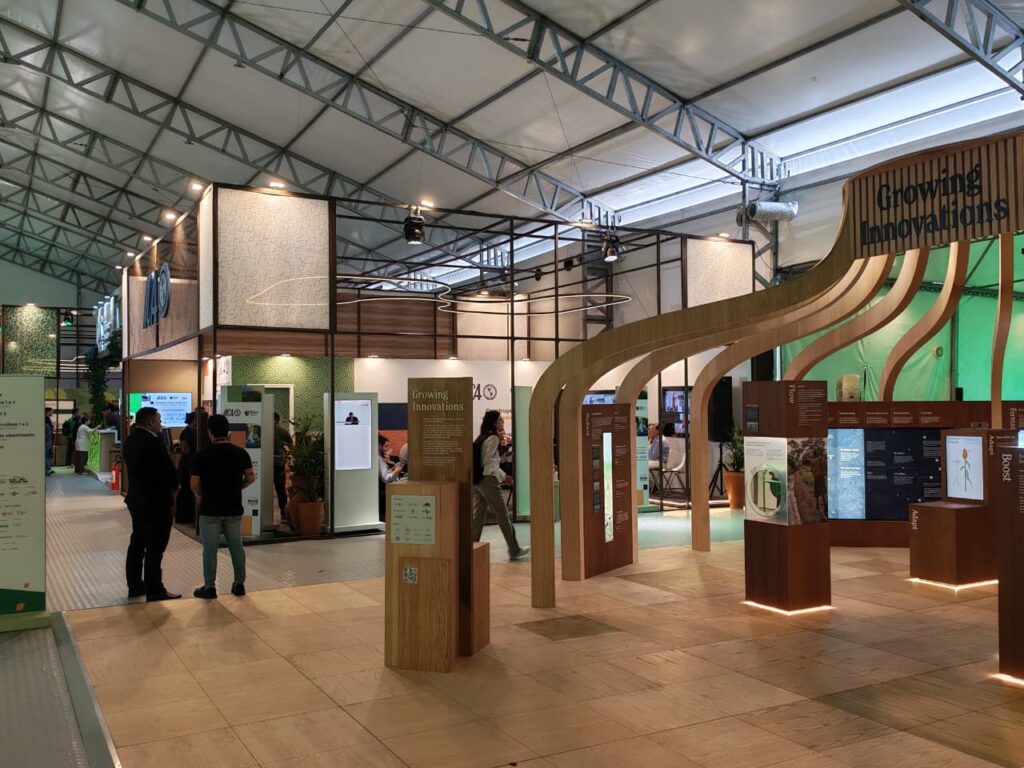
In keeping with the views presented in the document, he noted that Argentina and other countries in the region are leaders in sustainable agricultural practices that integrate innovation and regenerative practices. “That is the reality that must be conveyed in the major global forums and that is what IICA is doing by establishing the Home of Sustainable Agriculture of the Americas at COP30, along with its strategic partners”, he said.
The stakeholders from the Argentina rural sector note that although scientific data attests to the progress made by the sector, international recognition of these efforts is still insufficient.
They argue that, “Global methodologies to measure emissions often disregard local realities, thus making it impossible to have an effective assessment of the contribution of regenerative agriculture. It is essential that we transition to measurement frameworks that are more representative, developed with the active participation of the production sector and scientifically validated. Equity in carbon markets and in climate policies requires standards that reflect the true impact of agricultural practices in each region”.
The document also points out that incentives play a fundamental role in accelerating technology adoption, in acknowledging agriculture’s provision of ecosystem services; and in guaranteeing that regenerative practices can be sustained over time.
More information:
Institutional Communication Division.
comunicacion.institucional@iica.int