At a conference organized by IICA, FAO, ECLAC, CIRAD and the Government of Chile, specialists from LAC will discuss the outlook for family farming in the region.
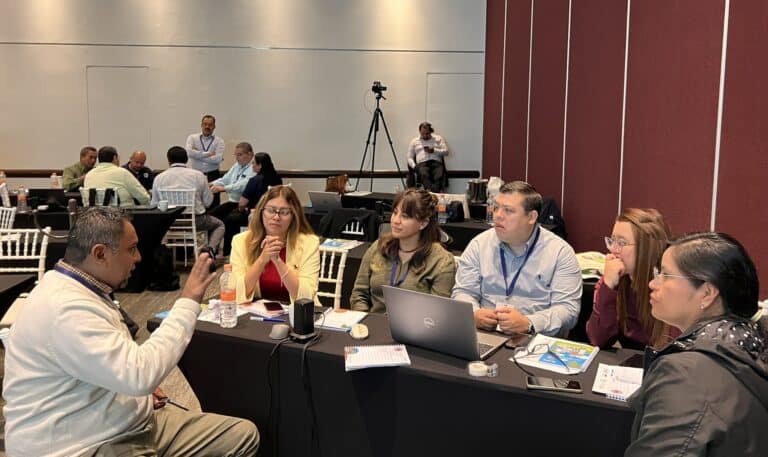
San Jose, Costa Rica, November 4, 2014 (IICA) From 3-4 November, senior public officials, renowned specialists, academics and technical personnel from Latin America and the Caribbean (LAC) will meet in Santiago, Chile to share their most important experiences with family farming policies and programs, with a view to boosting the development of the activity in the region..
At the International Conference on Public Policies and Family Agriculture in Latin America and the Caribbean, the participants will familiarize themselves with the best results of policies implemented in the countries of the hemisphere and discuss the outlook for the activity in the medium and long term.

Among the participants will be the Minister of Agriculture of Chile, Carlos Furche, and the Director General of the Inter-American Institute for Cooperation on Agriculture (IICA), Víctor M. Villalobos.
Others taking part will include representatives of the United Nations Food and Agriculture Organization (FAO), the Economic Commission for Latin America and the Caribbean (ECLAC) and France’s Center for International Cooperation on Agricultural Research for Development (CIRAD), as well as senior public officials, policymakers, members of social movements and family farming organizations from LAC.
The specialists will also focus on other topics associated with small-scale agriculture, such as rurality, area-based development, poverty reduction and food security.
Organized by IICA, FAO, ECLAC, CIRAD and the Government of Chile, with support from the International Fund for Agricultural Development (IFAD), the meeting forms part of the activities being held to commemorate the International Year of Family Farming.
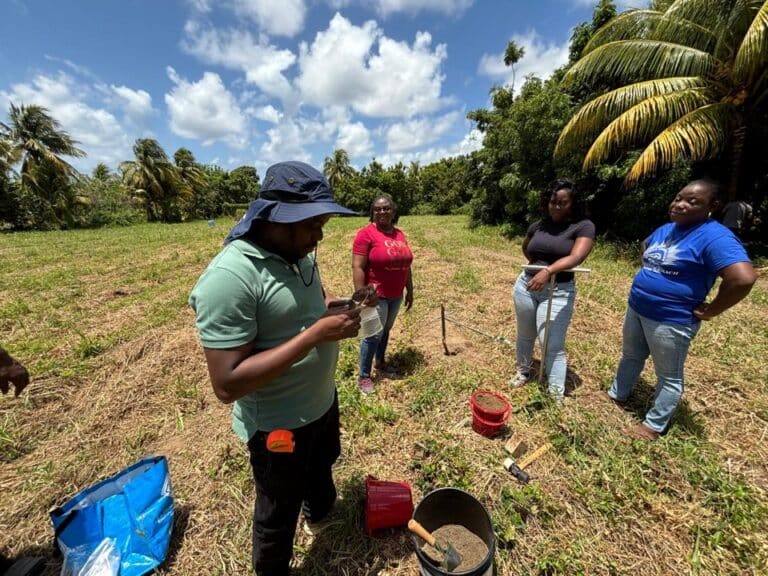
Small-scale agriculture plays a key role in the production of staple foods and the creation of employment in rural territories.
According to the organizing institutions, public policies in Latin America attach little importance to production units of this kind, despite the fact that there are around 15 million smallholdings. This has contributed to a rise in rural poverty, which, in turn, has spurred migration to the city, especially among the youngest segment of the population.
The Director General of IICA wants to see family operations in the region strengthened by means of innovation and the adoption of a new paradigm for agriculture designed to make the sector more efficient, competitive, sustainable and inclusive.
The United Nations declared 2014 the International Year of Family Farming in an effort to promote differentiated policies for smallholder families in the region, in order to improve their productivity and make agriculture a more sustainable activity.
For further information:
alberto.adib@iica.int
The Outlook for Agriculture and Rural Development in the Americas: A Perspective on Latin America and the Caribbean.