Mexican producers play a leading role in combating this insect in the countryside.
Mexico City, 7 July 2020 (IICA). For more than 30 years, farming activities in the Francisco Sarabia ejido (communally held lands), located in the Independencia municipality of the Mexican state of Chiapas, were carried out with no major setbacks. However, the emergence of an exotic fruit fly set off health alarms and transformed the area into a battleground against the insect, which targets certain fruits.
Upon discovering 198 and 291 Mediterranean fruit fly (medfly) adults and larvae, respectively, the National Service for Agrifood Health, Safety and Quality (SENASICA) of Mexico activated its alarms and launched the National Emergency Device to combat the fruit fly in 2016.
The device forms part of SENASICA’s Programa Moscamed (Medfly Program), implemented with support from the Inter-American Institute for Cooperation on Agriculture (IICA) to prevent the pest from becoming established in Mexico.
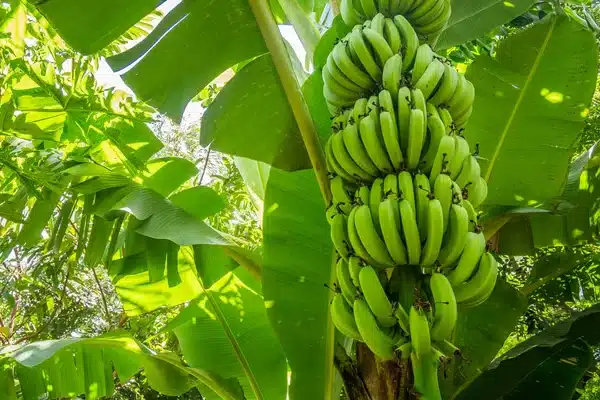
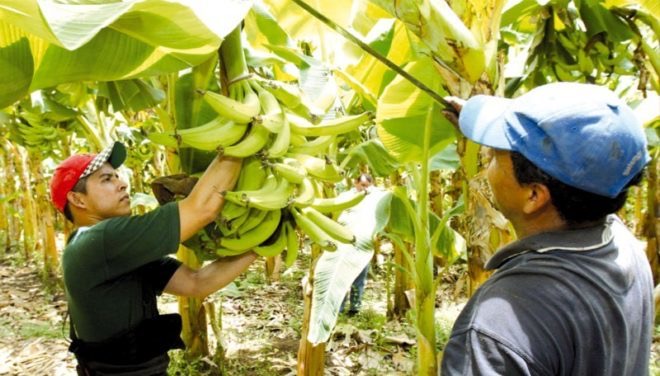
The insect’s appearance also led dwellers of that municipality in Chiapas to become involved in the program. Sixty percent of the population in that area is indigenous and dedicated to agricultural activities, particularly the small-scale production of tomato, coffee, banana and corn.
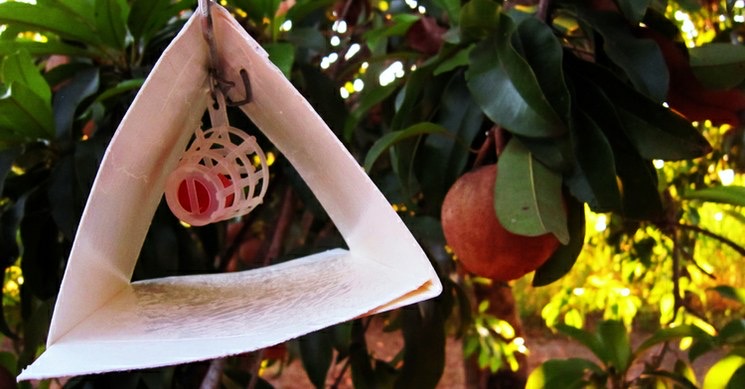
The population cooperates with and follows the instructions issued by health personnel of the Moscamed program. They set up traps, conduct sampling, apply baits and even release sterile adult flies. The program has also launched a campaign to raise awareness of the issue and encourage the population to assist authorities in implementing the emergency device.
“We want to produce high-quality fruit and take care of our trees so that they are free of pests like the Mediterranean fruit fly, because those trees are our livelihood. That is why we all cooperate”, stated Yeimi Albores, an education promoter for the Francisco Sarabia ejido.
Many ejido dwellers practice subsistence farming; therefore, crop protection is of crucial importance for their economic activity.
Efforts to eradicate the fruit fly have proven successful and the Francisco Sarabia farmers are greatly satisfied with the results achieved.
“We will gladly welcome technical specialists of the Medfly program back to our farms if they ever need to return; we are very satisfied with the work they carried out, which has enabled us to produce quality fruit on our land”, stated Herminio López, chair of the ejido’s commission.
One of the greatest benefits of programs like Moscamed and Moscafrut, which combat the Mediterranean and common fruit flies, is the contribution to food security through the harvesting of healthy food. The programs also protect Mexico’s agrifood heritage, which is of crucial importance within the current context of the pandemic that is challenging food production and trade worldwide.
Global recognition
Effectively implemented by SENASICA with support from IICA, the Moscamed Program is recognized worldwide as one of the first programs in the Americas to combat the Mediterranean fruit fly, as well as the first one to succeed in doing so on our continent, by implementing an integrated management approach based on the sterile insect technique (SIT). The technique has become an effective public policy instrument and has generated a public good for Mexico.
For the past 38 years, Mexico has continuously maintained its phytosanitary status as a country that is free of the Mediterranean fruit fly. As a result, Mexican producers who grow fruits and vegetables that can host this type of fly are able to reduce their use of pesticides, protecting the health of exporters and consumers as well as the environment. The situation has also allowed for generating jobs in the countryside and in the field of agro-industry.
At present, Mexico stands out at the global level in matters related to health, safety and food quality, having successfully contained various pests and diseases while producing healthy and safe agricultural products for national and international markets. The country ranks eleventh in global food production and is the eighth-largest exporter of agrifood products.
According to preliminary data by the Agrifood and Fisheries Information System (SIAP), the agrifood sector generated approximately USD 38 billion in foreign exchange in 2019; fruit and vegetables grown on 7% of the country’s agricultural farming area accounted for about USD 8 billion of that amount.
A study carried out by IICA in 2009 to assess the economic impact of the Moscamed Program during its first 30 years in Mexico found that the initiative has been highly profitable, demonstrating that its continuous implementation has been a wise decision on the part of the Mexican government.
More information:
Diego Montenegro, IICA Representative in Mexico.
diego.montenegro@iica.int
José Ayala, IICA Project Manager in Mexico.
jose.ayala@iica.int