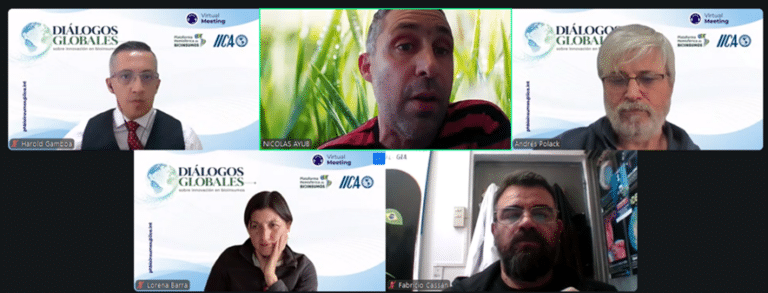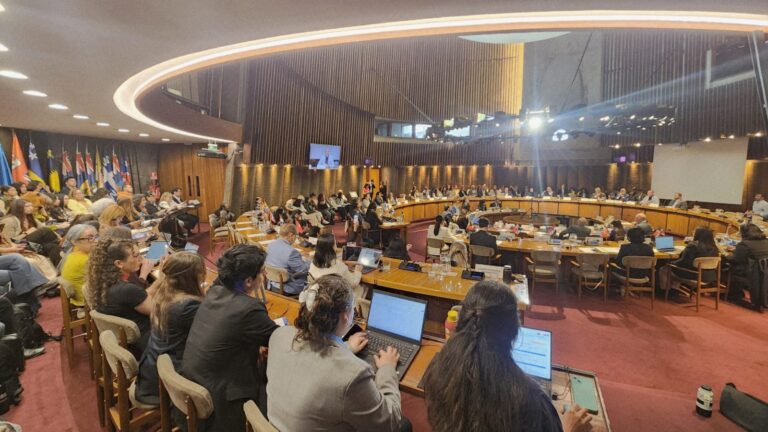
The Digital Symposium on Plant Breeding Innovation (PBI), which is currently underway in Mexico, presents experiences in the development of plant varieties of agronomic and commercial interest.
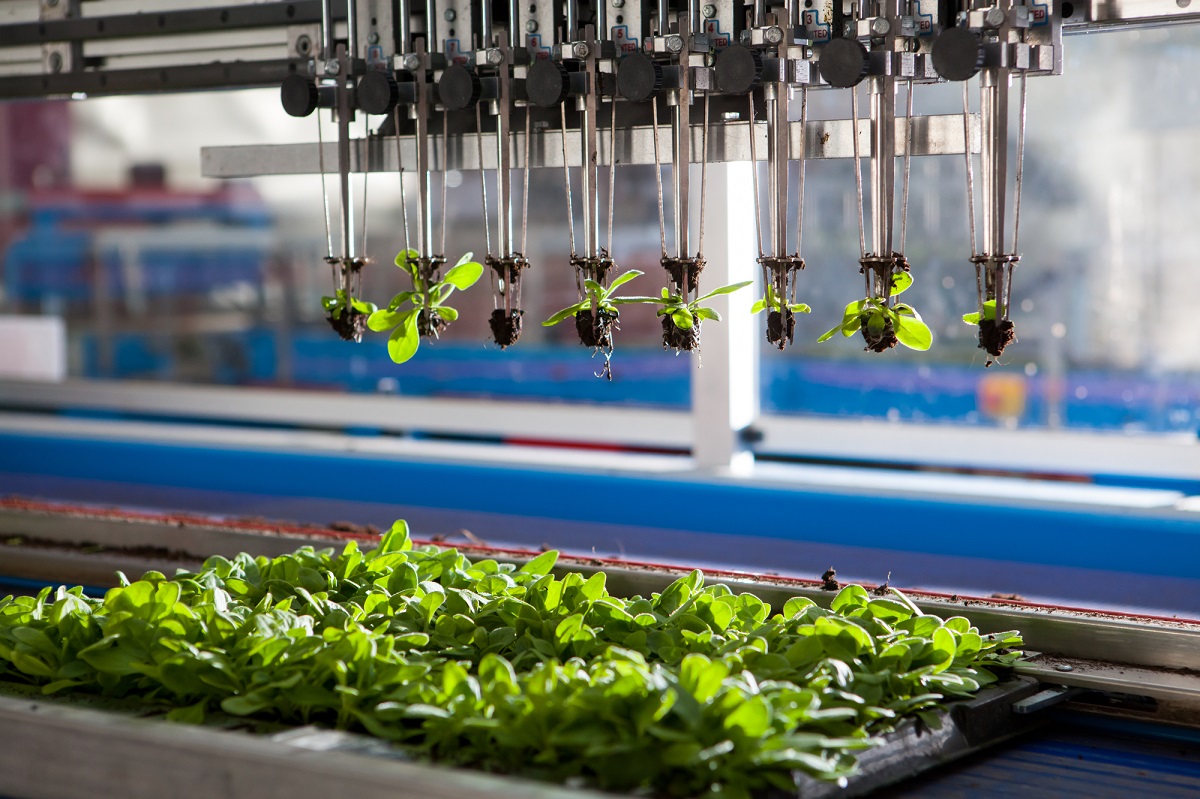
Mexico City, 10 June 2020, (IICA). – International experts shared experiences in the development of new plant varieties using various breeding methods, for the benefit of food production and food security, which are key issues amidst the Covid-19 pandemic.
During the first of four sessions of the Digital Symposium on Plant Breeding Innovation (PBI), organized in Mexico by the Inter-American Institute for Cooperation on Agriculture (IICA) and the Mexican Association of Seed Producers (AMSAC), the experts emphasized the fact that research and innovation in the development of plant varieties could yield a host of benefits, including preventing the loss of crops around the world due to pests and diseases.
Speaking to an audience of 200 representatives of various Mexican institutions and countries like Ecuador and Peru, the specialists agreed on the importance of new plant improvement techniques in fueling the transformation of food production systems, with the introduction, knowledge and use of agrobiodiversity techniques, as well as the implementation of more sustainable, climate-resilient strategies.
Panelists Wayne Parrot, professor of agricultural sciences at the University of Georgia in the United States; Sandra Patricia Valdés, research associate for the Bioversity International – International Center for Tropical Agriculture (CIAT) Alliance in Colombia; and Aaron Beydoun, marketing director at Pairwise, discussed their experiences researching and applying innovation techniques in plant breeding.
Miguel García, Mexico’s Undersecretary of Agriculture, opened the seminar and noted that it was crucial for the State to foster more sustainable and inclusive public policies to advance towards food self-sufficiency.
Diego Montenegro, IICA Representative in Mexico, underscored the importance of implementing technologies in food production, especially during the current coronavirus pandemic. He also raised the need to redesign the global food system, particularly given the fact that 30% of food produced for human consumption worldwide is lost.
Mario Puente, Executive Director of AMSAC, highlighted the ways in which new technologies could be used to innovate in plant breeding, combat pests and diseases, as well as improve food production.
Parrot recounted the history of plant breeding, highlighting the importance of agrobiodiversity in the research process, which has allowed for developing very precise techniques as well as better understanding and capitalizing on genetic diversity in crops.
Sandra Valdés discussed technical aspects of CRISPR-Cas technology and provided some examples of its application in research on rice, cassava, beans and cocoa, among other crops.
Beydoun described the commercial application of technological tools in the production of food, fruits and vegetables. He also shared a success story regarding the introduction of blackberries into the U.S. market.
This event was preceded by the first in-person Technical-Academic Symposium in September 2019, during which participants shared experiences relating to regulations aimed at capitalizing on PBI products in countries throughout the region.
On this occasion, in light of the Covid-19 pandemic, the symposium was held virtually, with Pedro Rocha, Specialist in Biotechnology and Biosafety at IICA, serving as a moderator.
The next session of the symposium, which will be held on 11 June, will focus on “Regulatory Aspects that Apply to Plant Breeding Innovation (PBI)”.
Register at:
https://docs.google.com/forms/d/e/1FAIpQLSfKSSGY9ER7ayslJGnMJzG-EDVrNTDKt4e48oPRObua6vhWKw/viewform
More information:
Diego Montenegro, IICA Representative in Mexico.
Pedro Rocha, International Technical Specialist in Biotechnology and Biosafety at IICA.