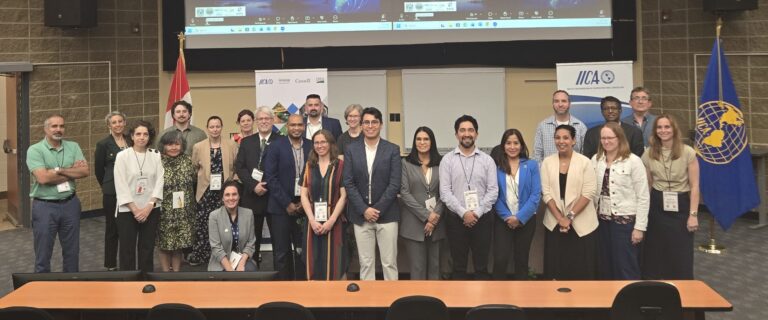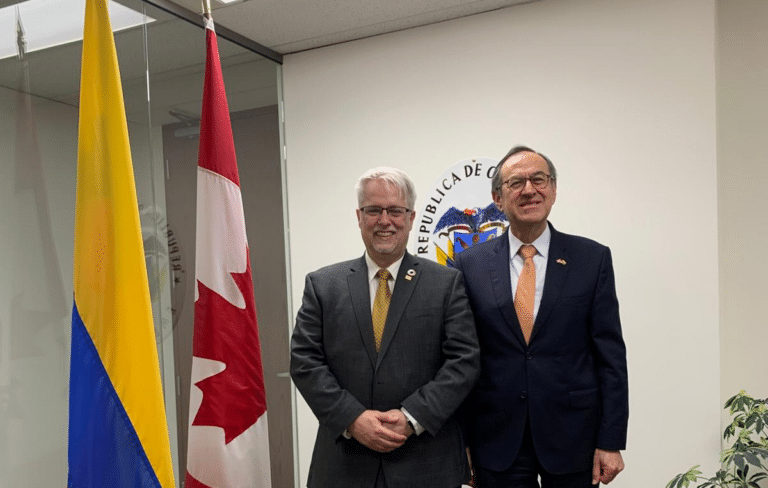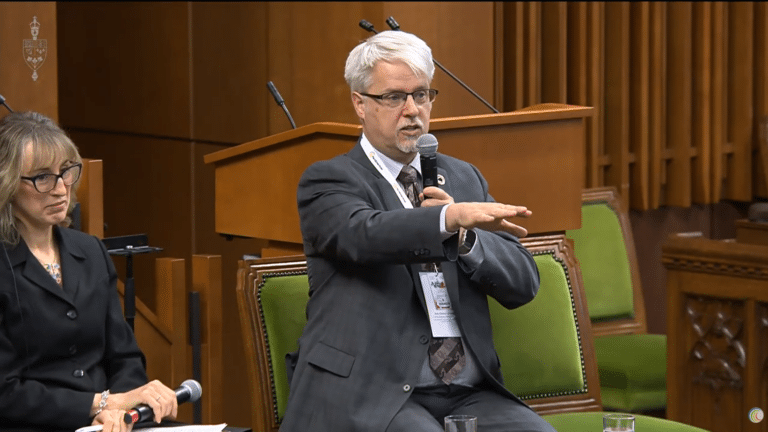
Consultations in Halifax, Fredericton, Moncton and Charlottetown highlighted common areas of interest and revealed programs that were amenable to the scale in LAC.
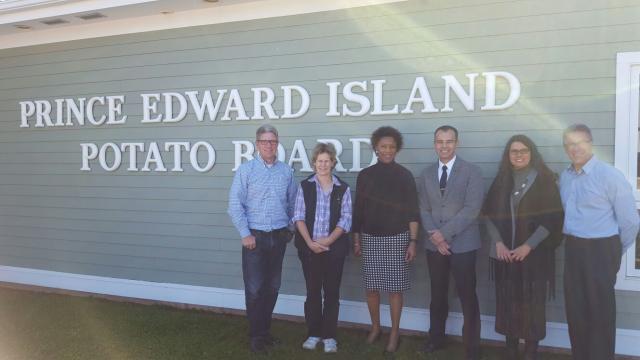
Ottawa, Ontario, Canada – Members from Atlantic Canada’s producer groups, academia and government, met with representatives from IICA’s delegation in Canada, and identified win-win opportunities for Canada and countries in Latin America and the Caribbean (LAC) during a recent 5 day mission of the IICA team. A case in point is the Maritime Provinces’ strong focus on screening and optimizing marine biodiversity and related commercialization processes. Officials commented on the many areas of common interest in relation to the programmes and initiatives for bioactive-based health products. As natural products and bioactives continue to be in great demand globally, and the hemisphere is known for having rich genetic diversity, partnerships, information sharing, use of specialized facilities and marketing prospects, were presented as prospects to be further explored.
The Atlantic Veterinary College of the University of Prince Edward Island demonstrated it world renowned reputation. With strong programs in aquaculture and related diagnostics, the niche occupied is well earned. Participants discussed the impact of warmer temperatures on the efficacy of antibiotics used in both livestock and fish. Researchers in the Maritime region were amenable to collaborative studies with those LAC organizations of shared interests in the south. Similar viewpoints were articulated for testing new varieties of crops such as potatoes in the warmer climes of LAC.
The Maritime stakeholders were receptive to the opportunities for internships, scholarships and exchanges, funded or arranged by IICA. Several specific initiatives were highlighted for follow-up.
The IICA mission to the Atlantic Provinces was a first under the Institute’s 2010 -2020 Strategic Plan. The mission was led by the IICA Representative in Canada and attended by the Technical Cooperation Specialist of the IICA Canada Delegation and by the Deputy Director for Technical Cooperation.
For further information, please contact Audia Barnett at audia.barnett@iica.int.