The General Secretariat of the Andean Community (SGCAN) and IICA hosted a training session led by specialists of both entities as well as the European Union.
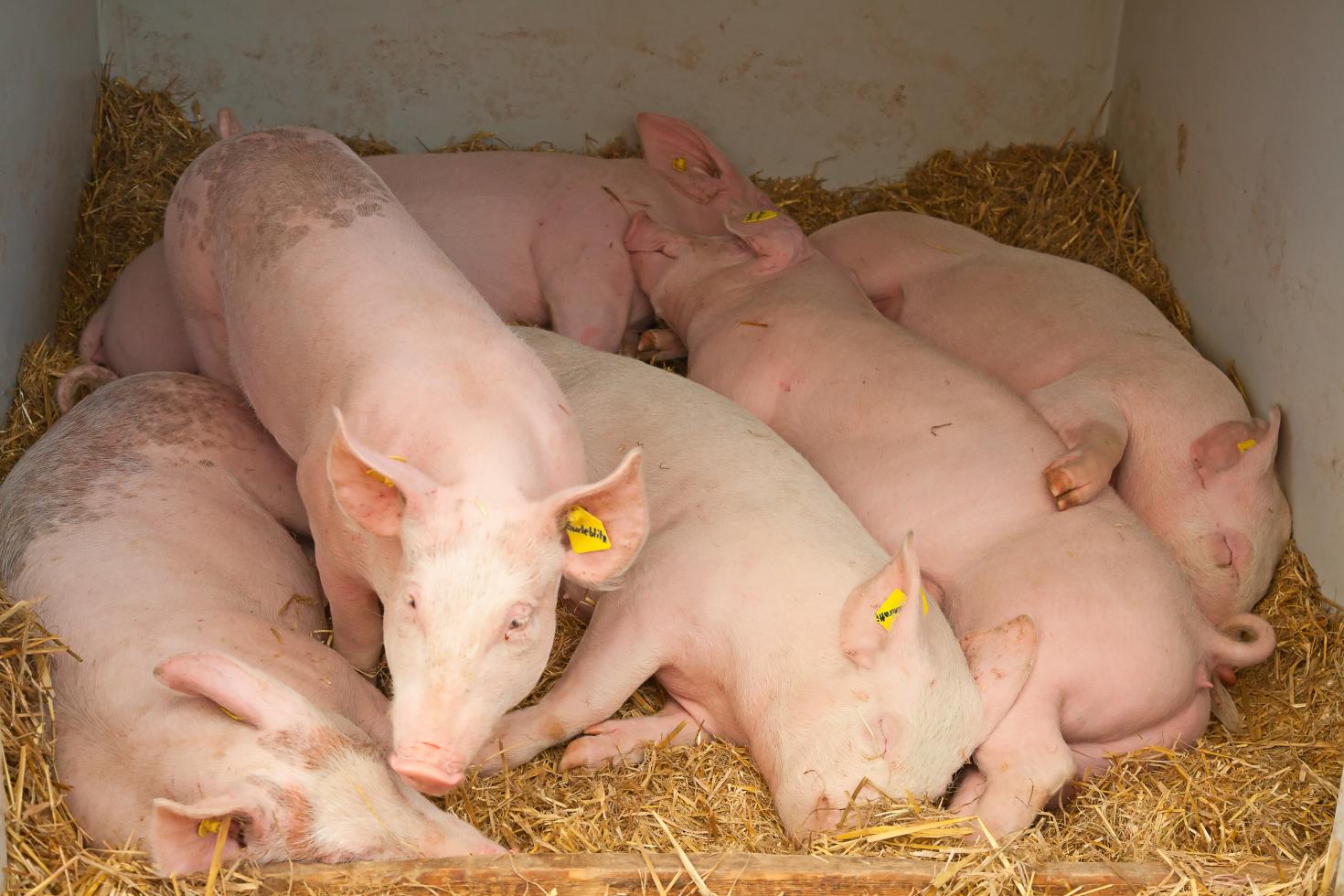
San Jose, 23 July 2019 (IICA). The General Secretariat of the Andean Community (SGCAN) and the Inter-American Institute for Cooperation on Agriculture (IICA) provided training in the prevention of African swine fever (ASF) to officers and representatives of producers’ organizations from Argentina, Brazil, Bolivia, Colombia, Ecuador and Peru.
Members of the Animal and Plant Health Inspection Service (APHIS) of the United States also participated in the training session.
The session, led by specialists of the European Union (EU), SGCAN and IICA, was carried out via videoconference.
To prevent an outbreak of the disease, it is crucial to strengthen border controls and exercise proper disposal of food waste on airplanes and ships; redouble the surveillance of clinical signs displayed by pigs on farms to provide official safety services with adequate reports; and increase biosafety measures.
Advisor Francisco Reviriego of the Directorate General for Health and Food Safety of the EU, shared Europe’s experience in managing ASF, focusing particularly on its zoning strategy.
“This strategy facilitates the safe movement of animals and products from ASF-free zones to the EU. Since the reappearance of the disease in 2007, it has become necessary to bolster biosafety, foster a better understanding of this situation among wild animals, as well as strengthen animal identification, traceability, disease diagnosis, regulations and collaborative work,” he remarked.
Specialist McAllister Tafur of SGCAN stated that it was crucial to update current regulations for ASF management and risk analysis, as well as to carry out joint regional actions; to this end, IICA’s technical cooperation was of vital importance.
Although African swine fever is harmless to humans, it is highly contagious among animals, and there is currently no effective vaccine. It has been almost forty years since the Americas last experienced an outbreak.
The disease was detected in Cuba in 1971 and 1980, in the Dominican Republic in 1978, and in Haiti in 1979. The disease had devastating effects and generated caused losses. During that period, IICA played a leading role in eradicating the disease.
“The current risk situation is different from what it has been over the past 40 years. Public-private collaboration, border control, the strengthening of diagnoses, biosafety, communication and coordinated work among international organizations are key aspects in order to achieve progress in preventing this disease,” stated Jaime Romero, International Specialist in Agricultural Health and Food Safety at IICA.
In June 2019, the hemispheric organization specializing in agricultural and rural development called upon its member countries to strengthen border controls, given the expansion of ASF. To this end, various training events have been organized, such as this videoconference, which was carried out within the framework of the SGCAN-IICA agreement.
More information:
Jaime Romero, International Specialist in Agricultural Health and Food Safety at IICA