The recommendation was made by the Director General of IICA at the official opening ceremony of the 14th Caribbean Week of Agriculture.
Cayman Islands, October 27, 2016 (IICA). Innovative farmers, scientists, youth and women entrepreneurs are bursting with good ideas to improve agricultural development in the Caribbean, but investor confidence and financing is fundamental to make those initiatives a reality.
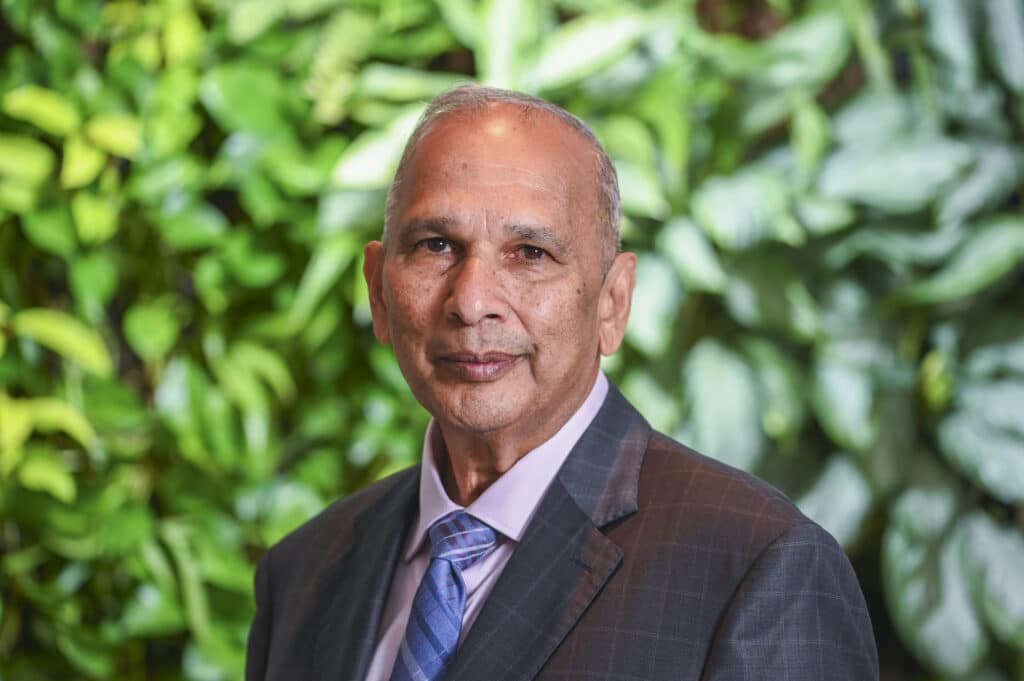
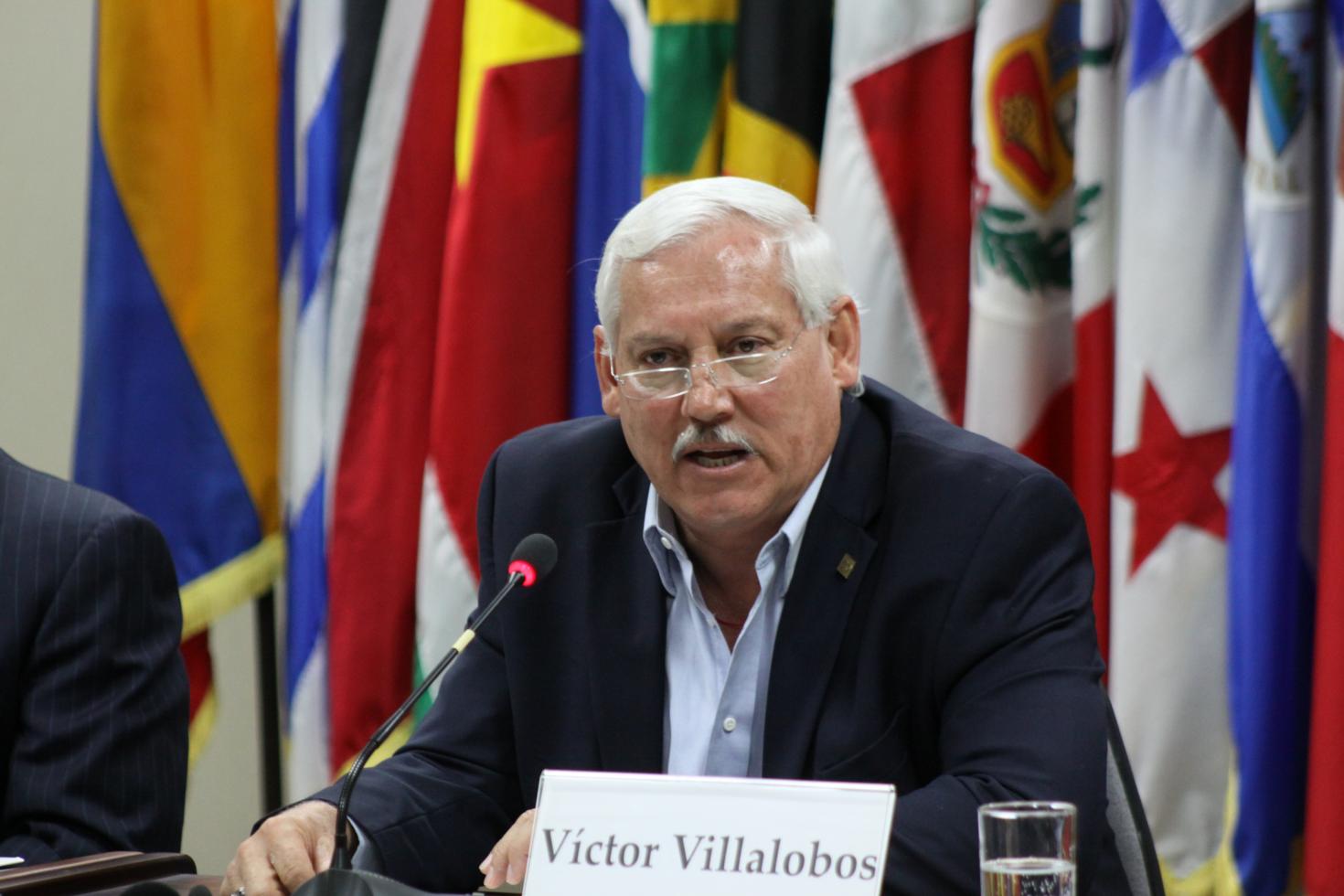
The Director General of the Inter-American Institute for Cooperation on Agriculture (IICA), Víctor M. Villalobos, assured the audience at the opening ceremony of the 14th Caribbean Week of Agriculture, now underway in the Cayman Islands, that the agrifood sector in the Caribbean offers many exciting and, as yet untapped, areas for investment.
According to Villalobos, the application of new technologies, precision agriculture, climate-smart and green technologies, specialized production, agrotourism and information, communication technology (ICT) applications for market information, as well as computer and telephone APPs, are just some of the initiatives that have given a significant boost to agriculture, but they all have a common denominator: investment.
“Most investors are discouraged by the peculiar risks and complexities of the agrifood sector, in particular risks relating to weather, fluctuating commodity prices, soil quality, water access, dietary trends, sanitary and phytosanitary measures and animal health”, he said.However, he added, for more money to flow in the region, financiers and entrepreneurs will have to learn a lot more about each other, develop an agenda of mutual trust and seek out financial projects beneficial for all.
However, he added, for more money to flow in the region, financiers and entrepreneurs will have to learn a lot more about each other, develop an agenda of mutual trust and seek out financial projects beneficial for all, especially for small farmers.
IICA´s contributions
“We believe in the opportunities for agriculture and in those willing to climb over the farm gate to reap big rewards”, said Villalobos.
According to Villalobos, the Institute has worked very closely with CARICOM, CARDI, FAO, CTA, CAFAN, CABA, CAFY and CANROP in the execution of the EU funded projects amounting to USD 7.5 million to the benefit of the Caribbean Region; and close to USD 100,000 in rapid response actions and USD 420,000 in the execution of the flagship projects; the last two are cooperation instruments that the institution uses to deliver technical assistance.
“IICA has focused its work on 11 key contributions, all aiming towards competitiveness, well-being, resilience and food safety”, he stated.
More information: diego.montenegro@iica.int