This meeting is the first of a series of actions aimed at strengthening the trade policy agenda for agrifood trade in Latin America and the Caribbean.
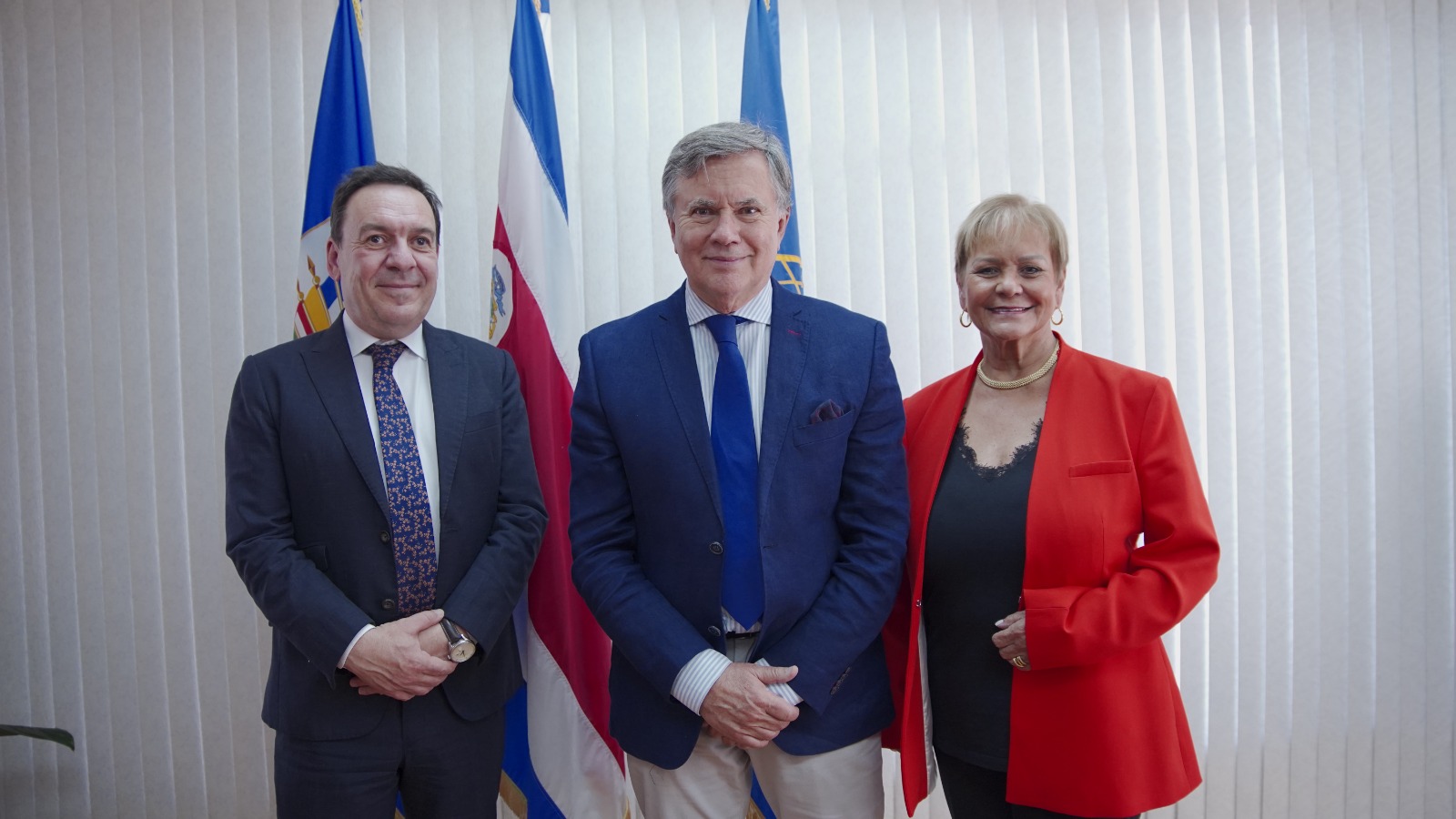
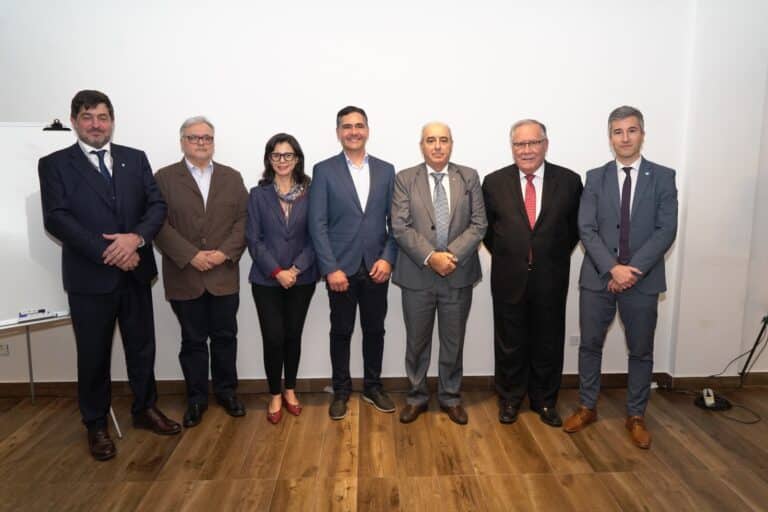
San Jose, 10 May 2023 (IICA and WTO). The Deputy Director General of the World Trade Organization (WTO), Jean-Marie Paugam, and the Director General of the Inter-American Institute for Cooperation on Agriculture (IICA), Manuel Otero, agreed to build up joint work between the two organizations to assist countries of the Americas in strengthening their agrifood trade and, in turn, guaranteeing their food security and economic development.
With a view to identifying issues of common interest and developing a joint work agenda for 2023-2024, the directors of both organizations met in San Jose, where IICA’s headquarters are located, to define the key elements of a technical work plan that will enable them to strengthen their cooperation in countries of the Americas and better advise governments and the private sector on public policymaking related to agriculture and trade, as well as food health, quality and safety.
“Our member countries participate in negotiations to improve agrifood trade rules within the framework of the WTO. That is why we are looking to strengthen our strategic alliances with partners such as IICA, whose mandate includes helping countries become actively involved in the multilateral trade system”, said Jean-Marie Paugam.
“This initiative is part of the joint work that IICA and the WTO have been carrying out since 1999 within the framework of the WTO’s Committee on Agriculture and the Committee on Sanitary and Phytosanitary Measures. The Institute also has a WTO Reference Center, through which it seeks to improve decision-making on agricultural trade policy in the countries of the hemisphere”, remarked Manuel Otero, Director General of IICA.
The WTO Secretariat has a long history of collaboration with the Institute through multiple activities designed to support its member countries in meeting their commitments with respect to agriculture, sanitary and phytosanitary measures and agricultural negotiations.
“Today, we discussed ways to strengthen our collaboration, bringing our institutions closer together and developing a more strategic framework for cooperation, to better respond to relevant needs shared by the region and all other WTO members”, added the Director General of the organization headquartered in Geneva, Switzerland.
More information:
Institutional Communication Division.
comunicacion.institucional@iica.int