Ministries of Agriculture and international organizations are seeking to develop varieties of micronutrient-rich foods to reduce the high incidence of conditions such as cancer, obesity, heart disease and diabetes in the Caribbean region.

San José, 5 November 2018 (IICA). Caribbean Ministers of Agriculture and the Council for Trade and Economic Development (COTED) approved a proposal from the Inter-American Institute for Cooperation on Agriculture (IICA) to introduce crops with a high nutrition co-efficient, in an attempt to reduce the incidence of conditions such as cancer, obesity, heart disease and obesity in the Caribbean region and to create a culture of balanced dietary patterns.
The Institute has proposed the introduction of HarvestPlus in the Caribbean. HarvestPlus is an initiative that uses phyto-improvement to cultivate varieties of basic crops such as beans, cassava, corn, rice, sweet potato, inter alia, with high levels of zinc, iron and vitamin A, to noticeably increase a country’s nutrition.
This proposal to change the Caribbean dietary culture is a joint effort by IICA, the Caribbean Community (CARICOM), specific CARICOM agencies, the United Nations, HarvestPlus Latin America and Penn State University.
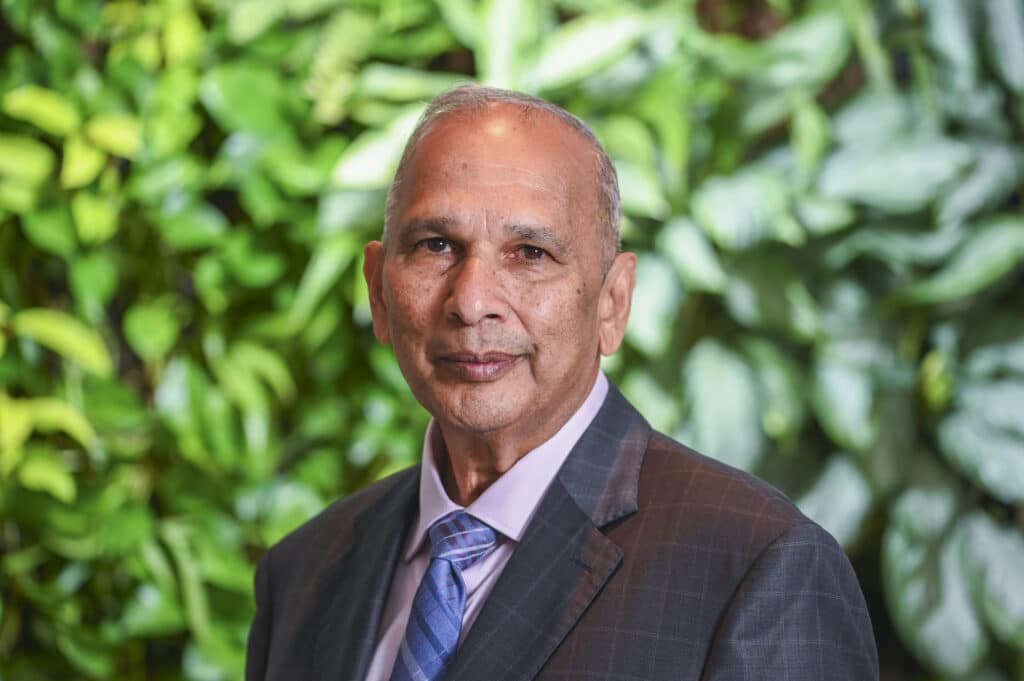
According to Elizabeth Johnson, IICA Representative in Jamaica, “Hidden hunger, which results from nutrient deficiencies, affects the immune system and even the mood or mental state of a person, sapping their energy. This has repercussions for a country’s productivity and increases the cost of health services for households and for the public purse”.
The Institute is proposing this approach to tackling the problem through more nutritionally balanced diets as an alternative for these countries, which have the hemisphere’s highest levels of non-communicable disease.
World Health Organization (WHO) data indicates that the combination of nutritionally deficient diets and physical inactivity are the main risk factors for non-communicable diseases, primarily cardiovascular and chronic pulmonary diseases, cancer and diabetes.
“Food is one of the most effective means of improving health and we believe that biofortification can play a pivotal role in strengthening agriculture and in ensuring a healthier future for the region”, added Johnson.
The Project will collaborate with associations and funding agencies to distribute varieties of fortified foods to countries, and to provide training to public and private partners in evaluating the performance and selection of the most suitable varieties for each country.
Professor Sir Trevor Hassel, Chairman of the Barbados National Chronic Non-Communicable Diseases Commission (NCD) explained that, “Sixty percent of the health budget of Caribbean countries is invested in care for those with these conditions”.
In countries in Africa, Asia and Latin America where HarvestPlus already has a presence, the indices of malnutrition have declined through the incorporation of biofortified foods into the diet.
More information:
Elizabeth Johnson, IICA Representative in Jamaica