A congress organized by CABI, IOBC, IICA, the Ministry of Agriculture and Livestock, and the University of Costa Rica (UCR) addressed the relevance of intelligent use of biological controllers to increase the sustainability of regional agriculture.
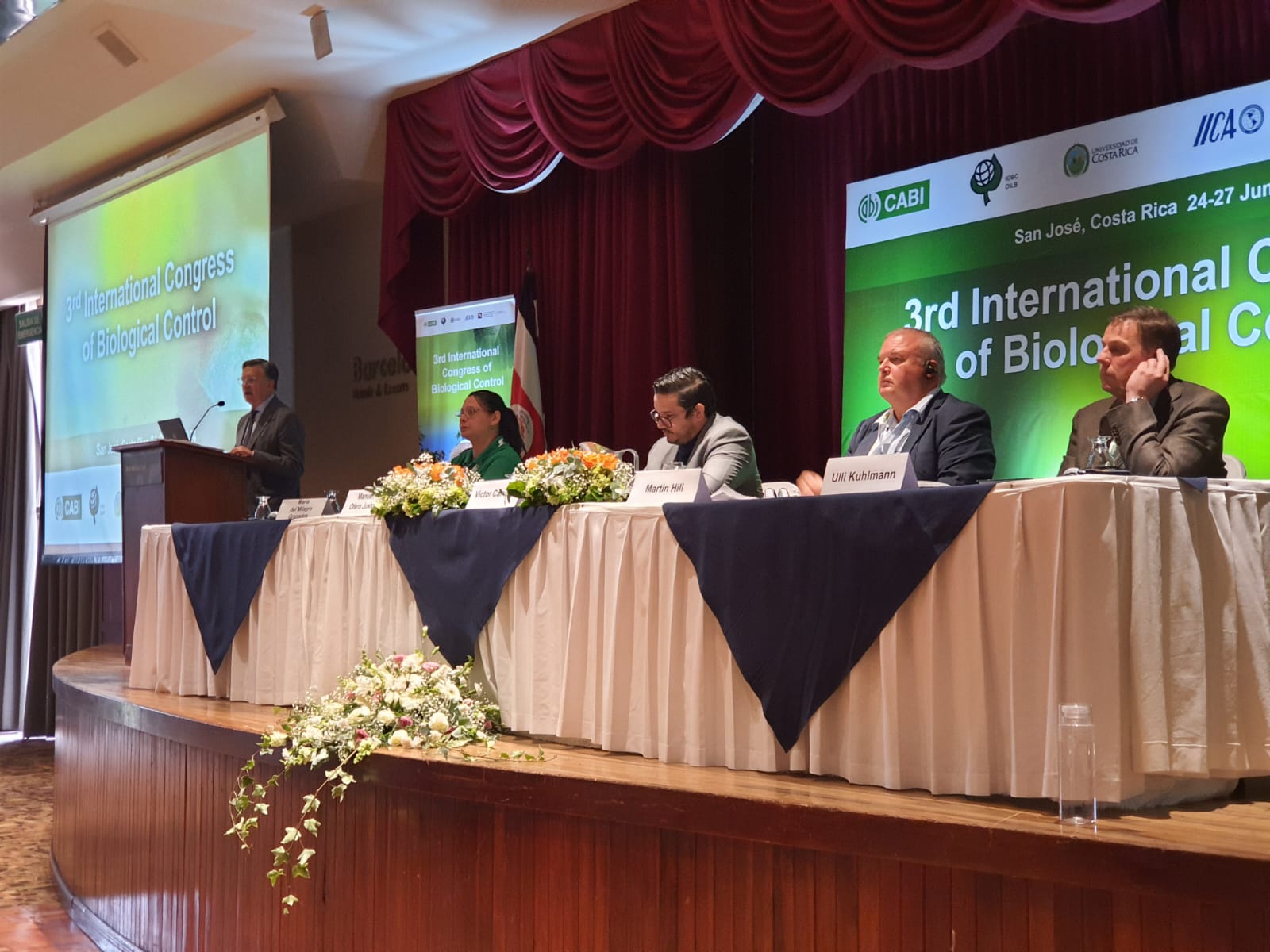
San José, June 27, 2024 (IICA) – About 300 scientists and international specialists in biological control from the public and private sectors, academia, and non-governmental organizations gathered in Costa Rica to share the latest research developments and foster institutional collaborations that strengthen the application of these biological-based technologies in global agri-food systems.
The congress was organized in San José by the Centre for Agricultural Bioscience International (CABI), the International Organization for Biological Control (IOBC), the Inter-American Institute for Cooperation on Agriculture (IICA), the Ministry of Agriculture and Livestock (MAG), and the University of Costa Rica (UCR).
The key topics discussed at the congress included biological control for One Health, advances in biological control applied in Latin America, climate-resilient biocontrol strategies, the socioeconomic aspects of biological control, and the Nagoya Protocol (an international agreement on access to genetic resources and the fair and equitable sharing of benefits arising from their utilization) and its impact on biological control.
Additionally, the discussions covered the role of molecular tools, community participation before releasing biocontrollers, long-term effects, savings in implementation, regulatory issues, and the adoption of techniques required for the use of biocontrollers.
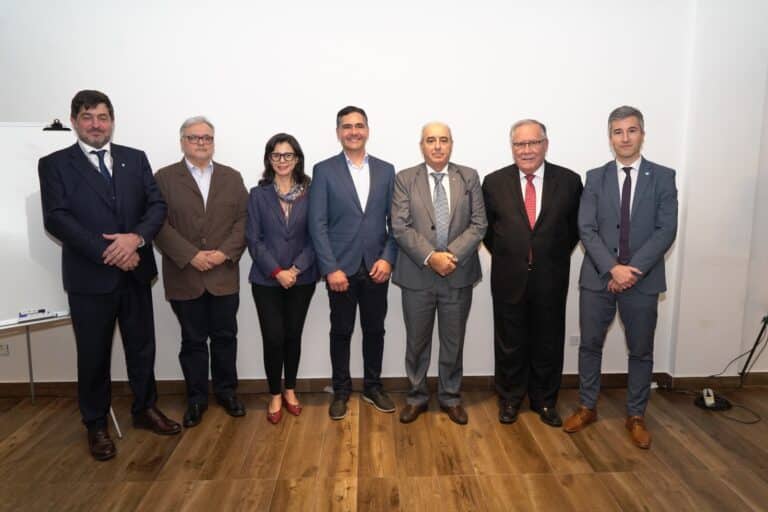
The opening ceremony featured Víctor Carvajal, Minister of Agriculture and Livestock of Costa Rica; Manuel Otero, Director General of IICA; Martin Hill, President of IOBC; Ulrich Kuhlmann, Global Operations Director of CABI; and María del Milagro Granados, Head of the Phytopathology Laboratory at the Fabio Baudrit Experimental Station of UCR.
“Costa Rica promotes the use of biocontrols as a sustainable method for pest management in agricultural fields,” said Víctor Carvajal.
The Costa Rican minister added that the congress is an unprecedented opportunity in this country to share knowledge on biological controls.
Manuel Otero emphasized IICA’s commitment to promoting the intelligent, sensible, and sustainable use of natural resources in rural territories of the Americas.
“Agricultural policies must be intersectoral, long-term, and in defense of the most sacred thing we have, which is the environment, including soils, air, water, plants, animals, and people,” affirmed the Director General of IICA.
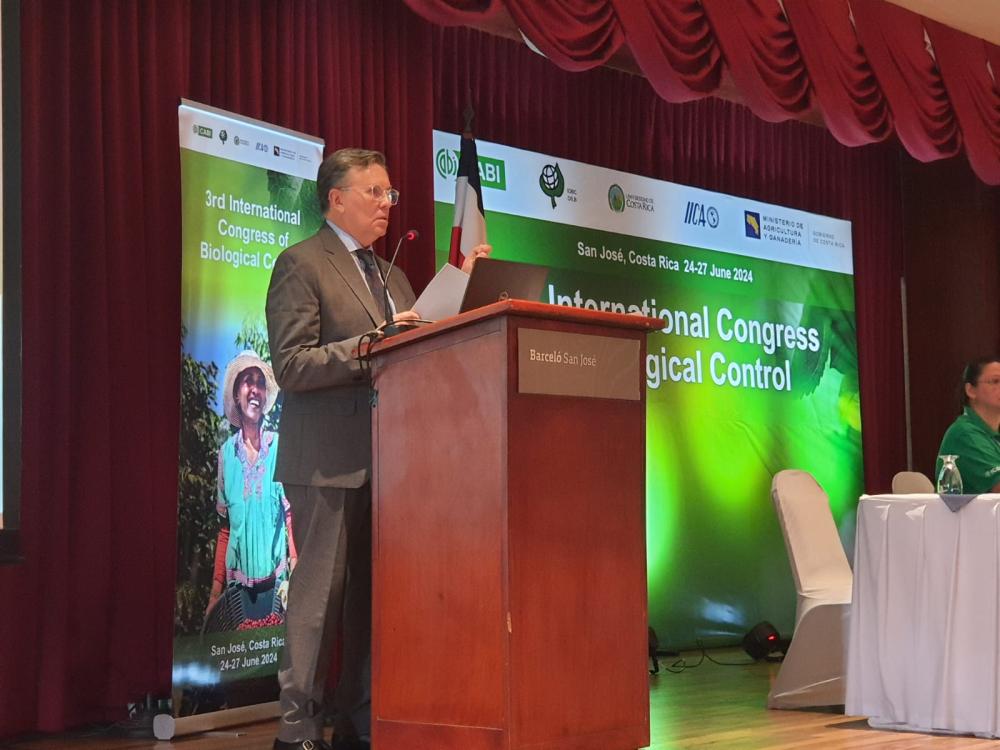
Ulrich Kuhlmann of CABI highlighted the importance of creating links between public institutions and private enterprises for the development of scientific research in biological controls, while Hill from IOBC stressed the need to showcase biological control to the world as an alternative for achieving a more sustainable planet.
María del Milagro Granados from UCR underscored that research in the field of biological controls should be guided by the common and global good.
“At UCR, we are committed to social welfare, environmental well-being, gender equity, innovation, and to incorporating new generations into creative processes,” she added.
Joint Work Opportunity
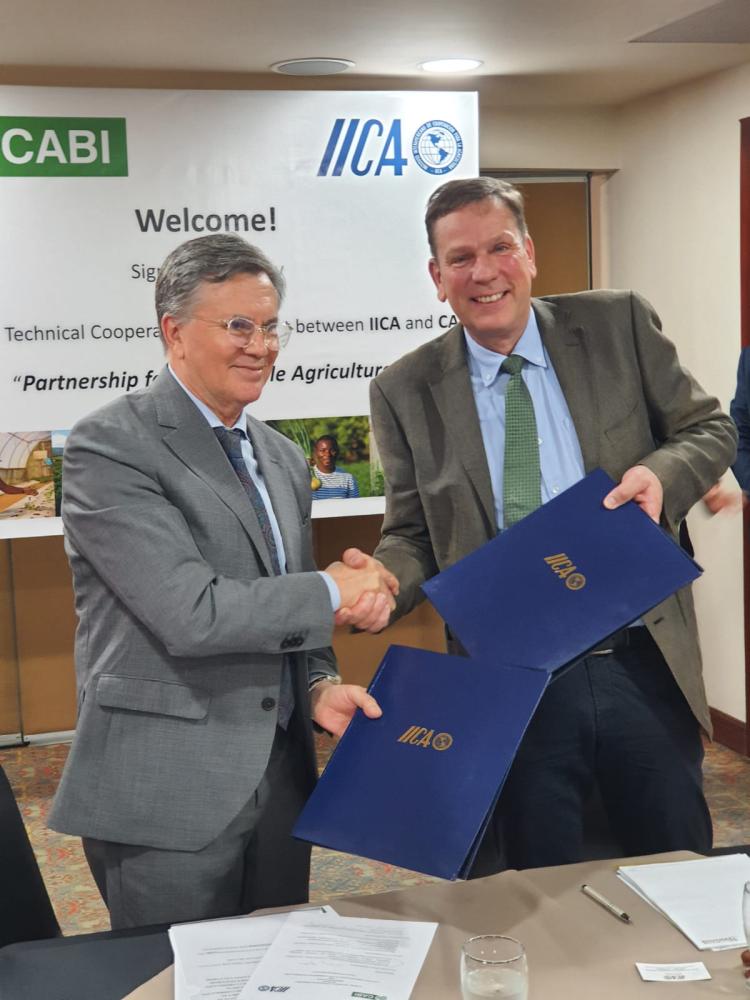
During the event’s opening, a general technical cooperation agreement was signed between IICA and CABI, aiming to implement joint actions to develop and strengthen regional and international initiatives that facilitate the incorporation of biological-based technologies within the growing bioeconomy approach, thereby benefiting sustainable production, food security, and integrated pest management, among other areas.
The IICA Director General stated that with a view to strengthening efforts aimed at ensuring more sustainable and healthier agriculture for all, the Hemispheric Bioinputs Platform was created and launched. This initiative is part of the Continental Alliance for Food Security and Sustainable Development promoted by the Institute.
“The Hemispheric Bioinputs Platform, a key part of this agreement, aims to promote multilateral cooperation on bioinputs in Latin America and the Caribbean in various areas, supporting scientific-technological, normative, regulatory, and capacity development,” said Otero.
“Proper and positive management of natural resources contributes to the economic development of agriculture by increasing harvests and reducing pesticide use, thus fostering sustainable field production,” stated Ulrich Kuhlmann, Global Operations Director of CABI.
More information:
Institutional Communication Division.
comunicacion.institucional@iica.int